Xi'an
西安
The ancient capital of China, home to Qin Shi Huang’s Terracotta Warriors and Horses, is also an important historical starting point for Chang’an during the Han and Tang dynasties and the ancient Silk Road. In Xi'an, you can walk into the underground military formations of the Qin Empire, overlook the city today along the Ming Dynasty city walls, learn about the history of the spread of Buddhism to the east among pagodas and ancient temples, or sit down and eat a bowl of mutton steamed buns to experience the real food culture of the northwest region.
Best season
March to May, September to November
Private journeys
2 itinerary options
Location
Northwest China
01 · Overview
About Xi'an
Xi'an is one of the most important ancient capitals in Chinese history. Regimes such as the Western Zhou, Qin, Western Han, Sui, and Tang Dynasties once established their capitals here or used it as their capitals. Sites, cultural relics and urban spaces from different historical periods together constitute the city’s unique cultural level.
This used to be Chang'an. Chang'an in the Han and Tang dynasties was located at the important starting point of the ancient Silk Road. Merchants, monks, envoys and craftsmen from various places traveled between different civilizations through a long transportation network. Today, the Mausoleum of Qin Shihuang and the Terracotta Warriors and Horses, ruins of Han and Tang capitals, ancient Buddhist pagodas and museum collections can still help travelers understand this period of history.
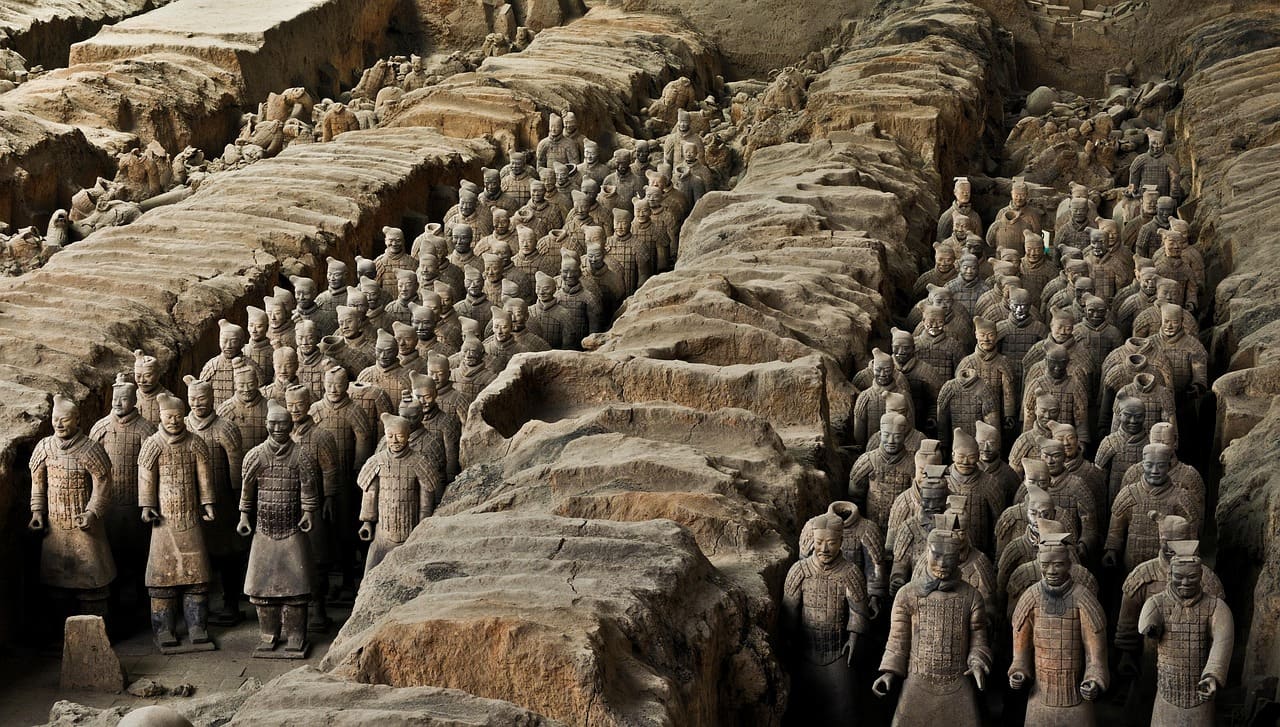
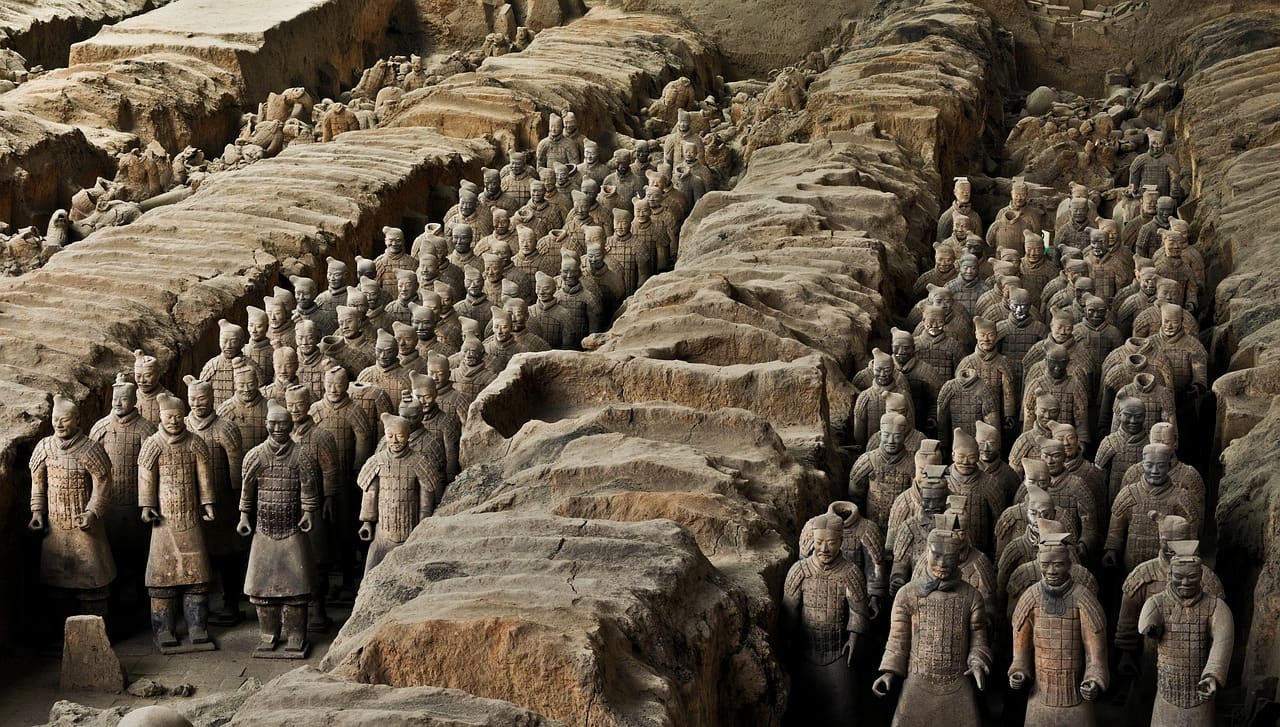
The most shocking historical scene is located in Lintong, east of downtown Xi'an. In 1974, local villagers discovered the remains of pottery figurines in the burial pit of Qin Shihuang's mausoleum while digging a well. Subsequent archaeological work gradually revealed the face of this underground army. Thousands of pottery figurines, horses and related relics present the organization, clothing, weapons and sculpture craftsmanship of the Qin Dynasty army. The Mausoleum of Qin Shihuang and the Terracotta Warriors and Horses were included in the UNESCO World Heritage List in 1987.
Back in the city, the Ming Dynasty Xi'an City Wall still surrounds the old city. The total length of the city wall is about 13.74 kilometers. When you climb the city tower, you can see the coexistence of ancient city blocks, city gates, moats and the modern city skyline.
Xi’an’s cultural experience doesn’t stop at historical sites, either. The Big Wild Goose Pagoda records the history of the translation and dissemination of Buddhist classics after Xuanzang returned from studying Buddhist scriptures; the Small Wild Goose Pagoda, Xi'an Museum and Xi'an Forest of Steles Museum provide a quieter route for cultural exploration. At night, the surroundings of the Big Wild Goose Pagoda and the Tang Dynasty Evernight City present contemporary Xi'an's reinterpretation of Tang Dynasty culture.
Food is another clue to understanding the city. Beef and mutton steamed buns, steamed buns, biangbiang noodles, cold noodles and various traditional snacks reflect the pasta-based eating habits of the northwest region, as well as the cooking traditions of different places and ethnic groups.
For travelers visiting Xi'an for the first time, it is recommended to arrange 3 days to get to know Xi'an: one day to explore Qin Shihuang's Mausoleum and Lintong, one day to visit the city walls, museums and Buddhist monuments in the city, and one day to choose Tang Dynasty ruins, food districts or traditional cultural experiences based on interests. If you are more interested in Chinese history, you can also extend the trip to 4 days to reduce the rush and allow sufficient time to visit each location.
Don't miss
- 1. Terracotta Warriors and Horses of Qin Shihuang: Get a closer look at the military organization, sculpture art and ancient tomb culture of the Qin Empire.
- 2. The ancient city wall of the Ming Dynasty: Explore the preserved city defense system on foot or by bike, and observe the interface between the ancient city and the modern city.
- 3. History of the Han and Tang Dynasties and the Silk Road: Understand Chang'an's position in Chinese history through the Big Wild Goose Pagoda, history museums, inscriptions and ancient capital ruins.
- 4. The culture of the prosperous Tang Dynasty and night city life: Feel how traditional culture is integrated into modern public spaces around the Big Wild Goose Pagoda and the Tang Dynasty Evernight City.
- 5. Shaanxi local cuisine: From mutton steamed buns, roujiamo to biangbiang noodles, learn about the local food featuring noodles and beef and mutton.
- 6. Traditional art and folk culture: Depending on the actual opening and performance arrangements, experience shadow puppetry, local music or traditional handicrafts.
- 7. More in-depth cultural exploration: Choose the Small Wild Goose Pagoda, Xi'an Museum, Forest of Steles Museum or Daming Palace Ruins to avoid the simple check-in style of travel.
02 · Top sights
Must-see attractions
Qin Shi Huang Mausoleum Museum (Terracotta Warriors and Horses)
The Terracotta Warriors and Horses are the most representative archaeological site in Xi'an and an important entrance to understanding China's first unified empire.
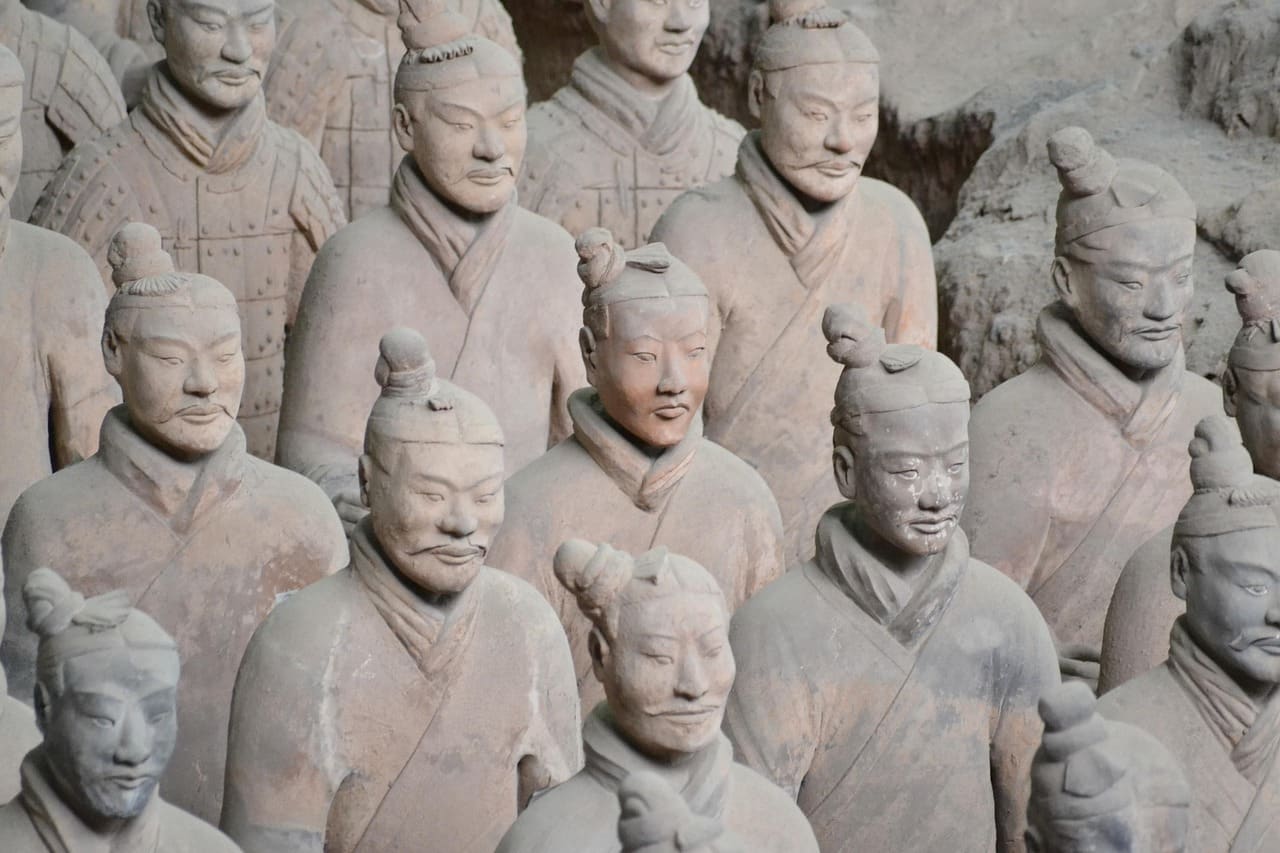
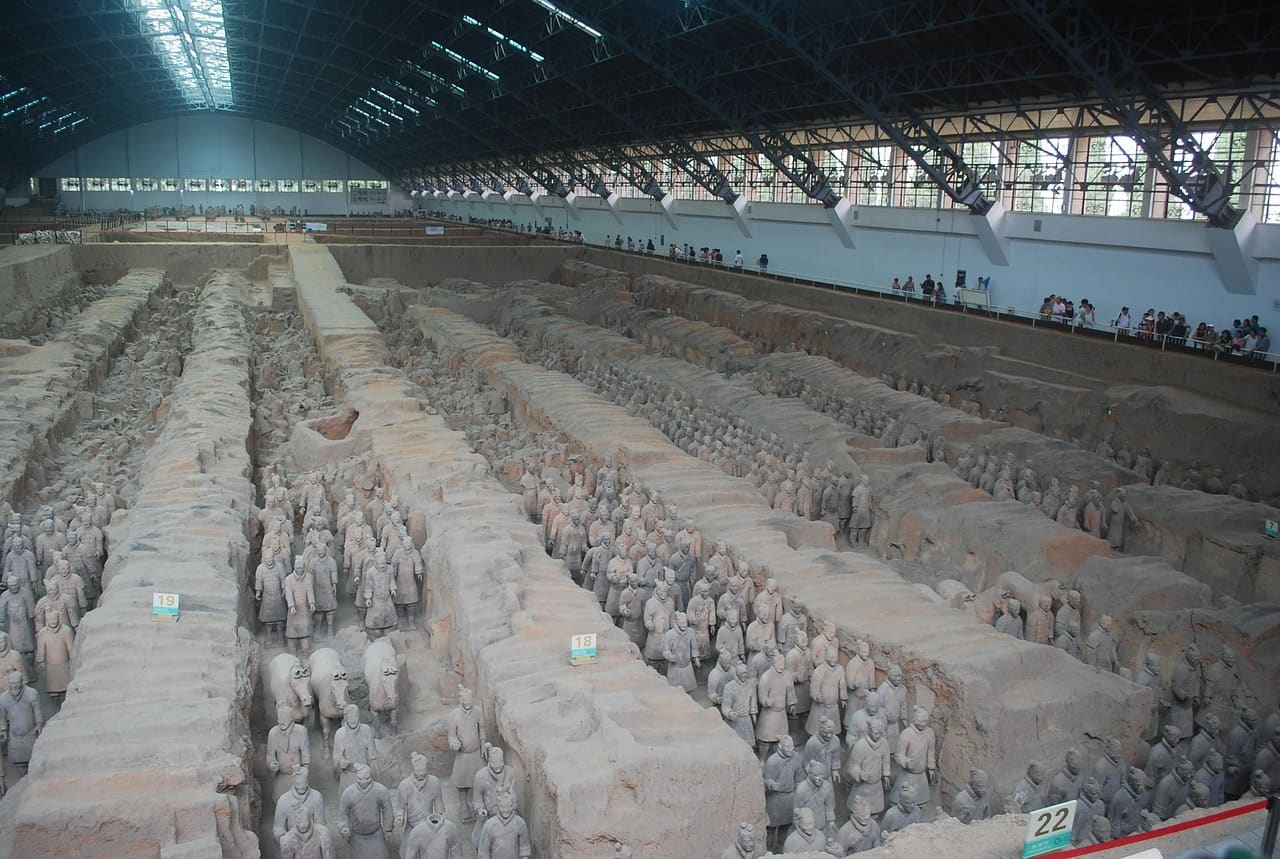
In 1974, local villagers discovered relevant pottery figurine remains while digging a well, and archaeologists subsequently carried out excavations and research. Today, visitors can observe pottery figurines, pottery horses and military formations in different figurine pits, and learn about the arrangement, weapons and equipment, clothing details and pottery sculpture craftsmanship of the Qin Dynasty troops.
These pottery figurines are not simply copied decorations. Their faces, hairstyles, clothing and postures show rich differences, which provide important information for the study of the military, social organization and artistic production of the Qin Dynasty.
When visiting, you can focus on the large-scale military formation in Pit No. 1, different types of pottery figurines in other figurine pits, and related cultural relics such as bronze chariots and horses displayed in the museum. If there is a professional historical explanation service, it is recommended to focus on Qin Shihuang's unification of the six countries, the Qin Dynasty's military system and the background of the tomb construction, rather than just listening to the stories of the scenic spots.
The Terracotta Warriors and Horses are located in Lintong District, east of downtown Xi'an, and you usually need to reserve half a day. Tickets adopt a real-name reservation system. Admission requirements, opening hours and visitable areas should be subject to the official announcement of the travel date.
Xi'an City Wall
The existing Xi'an city wall system is mainly based on the Ming Dynasty city wall, with a total length of approximately 13.74 kilometers. It is an important place to understand the ancient Chinese city defense system.
The city wall is not an isolated ancient building. City gates, city towers, watchtowers, horse faces, moats, and roads inside and outside the city all reflect how traditional cities achieve defense and management through spatial organization.
Climbing the city from the south gate is a common tour option. When you have enough time, you can walk on the city wall and observe the distance between different city gates and the urban pattern; tourists who want to increase their sense of activity can rent bicycles in the open area.
Cycling doesn’t have to be about doing a complete circuit. You can choose a route based on your physical strength, weather and length of stay, and stop near the tower to take photos of the contrast between the old city and modern buildings.
The top of the city wall is mainly made of bricks and stones, with steps and height changes in some areas. Tourists who are traveling with young children, have limited mobility, or are not used to riding long distances should give priority to walking short distances. Bike rental openings, rental rules and return locations should be confirmed on site.
Big Wild Goose Pagoda and Daci'en Temple
The Big Wild Goose Pagoda is one of the most important Buddhist historical landmarks in Xi'an and an ideal place to understand the history of Xuanzang and the translation of Buddhist classics.
This brick pagoda was built in 652 and is closely related to the Buddhist scriptures Xuanzang brought back from India and his translation work in the Tang Dynasty. Xuanzang's travels were not only a religious experience of seeking Dharma, but also reflected the personnel exchanges, knowledge dissemination and cultural exchanges between ancient China and South Asia.
When visiting, you can first learn about the history of Daci'en Temple, and then observe the development of ancient Chinese pagodas from the pagoda's architectural structure, brickwork and repairs over the years.
For tourists who are interested in Buddhist art, it is recommended to combine this place with the Small Wild Goose Pagoda or Xi'an Museum to form an urban route with the theme of the spread of Buddhism, ancient architecture and city history.
There is a musical fountain in the North Square around the Big Wild Goose Pagoda. The performance schedule may be adjusted due to maintenance, weather or special events. It is recommended to refer to the on-site announcement and do not commit specific performances as a fixed itinerary.
The city that never sleeps in the Tang Dynasty
Datang Evernight City is an open pedestrian street around the Big Wild Goose Pagoda. It is also an important public space in contemporary Xi'an to display the culture of the Tang Dynasty.
The neighborhood reinterprets people's imagination of Chang'an in the prosperous Tang Dynasty through lights, sculptures, architectural styles, Hanfu activities and public performances. It is suitable to arrange a night walk after visiting the Big Wild Goose Pagoda during the day and observe how traditional culture is integrated into contemporary urban life.
If you want to take photos of Hanfu, you can choose regular clothing rental and photography services in advance, and confirm the clothing, makeup, shooting duration, delivery photos and price. Hanfu experience is a modern cultural consumption activity and should not be completely equated with the real lifestyle in historical periods.
Live performances on the block may vary based on seasons, holidays and operational schedules. Travelers can view public performances as optional content, but it is not advisable to regard a certain actor, a certain program or a specific performance time as an inevitable experience.
Crowds may be larger during popular times during holidays and evenings. Guests who prefer silence, photography or in-depth communication can choose to avoid the peak hours or arrange the night walk separately from other urban cultural activities.
Bell Tower and Drum Tower
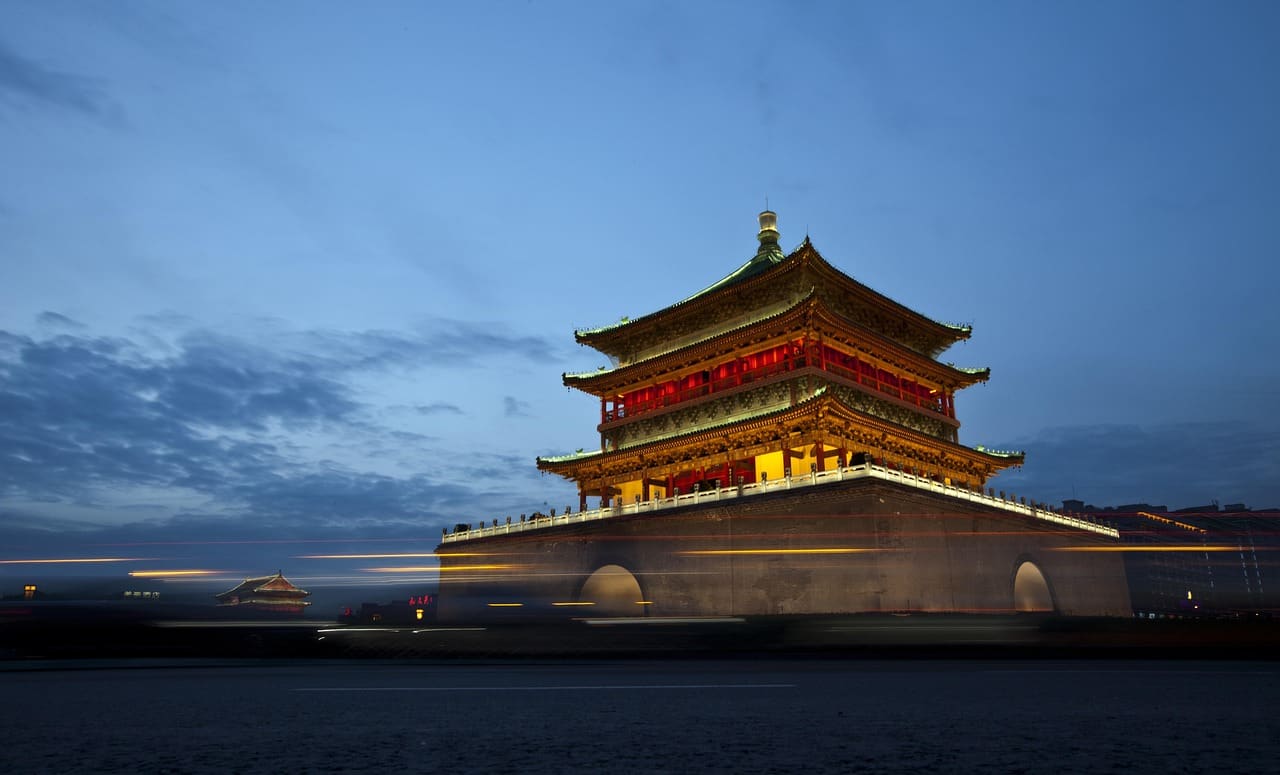
The Bell Tower and Drum Tower are one of the most recognizable buildings in the old city of Xi'an during the Ming Dynasty, and they also help travelers understand the traditional city's central layout.
The Bell Tower is located near the center of the old city, and the Drum Tower is located on its west side. The two buildings once served urban public functions such as telling time, reflecting how traditional society organized urban life through architecture and time systems.
Visitors can choose to visit the building or walk on the surrounding streets to observe the relationship between the building, streets and the old city space from different angles.
The area around Drum Tower is also a convenient area for entering Muslim Street and nearby traditional food streets. It is recommended not to just rush to buy snacks on the main street, but to walk along the block and observe shop operations, food preparation and the daily activities of local residents.
The Bell Tower, Drum Tower and Muslim Street are suitable to be arranged on the same half-day or evening route. If you want to visit the building, you should confirm the opening hours and ticket requirements on the day in advance.
Huaqing Palace and Lishan Mountain
Huaqing Palace is located at the foot of Lishan Mountain in Lintong District. It is famous for its hot spring history, the story of the Tang Dynasty palace, and the sites related to the 1936 Xi'an Incident.
This site helps visitors understand the connection between ancient royal gardens, hot spring recreation and political history. In the scenic area, you can see ruins and garden spaces related to the hot spring culture of the Tang Dynasty, as well as historical buildings and exhibitions related to the Xi'an Incident.
It should be noted that not all the buildings and gardens that tourists see today are original from the Tang Dynasty. When visiting, you should distinguish between historical sites, later buildings and modern reconstructions to avoid interpreting the entire scenic spot as an unaltered palace garden of the Tang Dynasty.
The Huaqing Palace and the Terracotta Warriors and Horses are both located in Lintong District, and are usually suitable for combining into a one-day east-line itinerary. If you want to arrange an evening performance at the same time, you should consider the visit length, transportation, performance date and return arrangements of the two places. It is not advisable to squeeze too much time between the daytime visit and the night performance.
Visitors who are interested in Tang Dynasty literature and stage art can learn about the seasonal arrangements for the performance of "Song of Everlasting Sorrow". This performance requires additional confirmation of date, ticket type and seat availability and should not be assumed to be performed every day.
Small Wild Goose Pagoda and Xi'an Museum
If you are looking for a slower-paced and culturally rich place in the urban area, the Small Wild Goose Pagoda and Xi'an Museum deserve priority.
The Small Wild Goose Pagoda was built in the Tang Dynasty and is an important part of Xi'an's Buddhist architectural heritage. Compared with the Big Wild Goose Pagoda, the visiting environment here is usually more suitable for planning a relatively quiet walk.
The nearby Xi'an Museum can help visitors connect the city's architecture with specific cultural relics. Through historical exhibitions, ancient artifacts and urban development materials, travelers can understand how Xi'an gradually developed from an ancient capital to the city it is today.
This place is suitable for tourists who are interested in Chinese history and want to avoid the crowds in popular neighborhoods, or who have already visited the Terracotta Warriors and want to learn more about the culture of the ancient capital.
The actual opening hours, reservation requirements and temporary exhibitions of the Small Wild Goose Pagoda and the museum may be different. It is recommended to confirm according to the travel date and reserve sufficient visiting time for the museum.
Xi'an Forest of Steles Museum
Xi'an Forest of Steles Museum is suitable for travelers who are interested in Chinese characters, calligraphy, stone carvings, Confucian culture and traditional Chinese art.
The collection of inscriptions and stone cultural relics present calligraphy styles, text forms and cultural concepts from different historical periods. Unlike experiencing history through grand buildings, here you can observe specific texts, carving details and historical records up close.
For tourists who are new to Chinese calligraphy, the focus of the visit is not necessarily to identify each inscription, but to understand how Chinese characters are written, copied, preserved and passed down, and why calligraphy plays such an important role in Chinese history.
This is a cultural place suitable for a leisurely visit, and also suitable for combination with the walking routes around the ancient city wall and clock tower. Before visiting, you should confirm the opening conditions and exhibition hall arrangements on that day.
Daming Palace National Heritage Park
Daming Palace is one of the most important palace sites in Chang'an during the Tang Dynasty. It is also an advanced choice for understanding the palace politics and capital planning of the Tang Dynasty.
Unlike traditional palace scenic spots that still retain a large number of buildings, the core value of Daming Palace lies in the ruins space, palace layout, and historical information presented by archaeological research. This was an important place for political activities in the Tang Dynasty. The ruins can help visitors understand the relationship between the palace, city gates, squares and urban axis.
When visiting, it is recommended to first understand the location and function of the Daming Palace in Chang'an City in the Tang Dynasty, and then observe the palace pattern along the ruins park. For guests who like archeology, architectural history and urban planning, the value here lies not just in taking photos, but in understanding how an ancient capital worked.
The walking distance in the heritage park may be longer, so it is suitable to reserve half a day and adjust the tour scope according to the season, weather and physical strength.
03 · Culture
Culture & customs
Ancient Capitals and the Silk Road
Ancient Capitals and the Silk Road
The history of Xi'an is not composed of a single dynasty.
From the politics and rituals of the Zhou and Qin dynasties, to the expansion of the Han Dynasty empire, to capital construction and international exchanges during the Sui and Tang dynasties, the city and its surrounding areas have preserved important clues to understanding China’s early state formation, imperial governance, and cross-regional cultural exchanges.
Chang'an during the Han and Tang Dynasties was located at the important starting point of the ancient Silk Road. Commercial exchanges not only brought goods, but also promoted the spread of religion, knowledge, technology and art forms. Today, tourists can understand these historical changes from different perspectives through the Terracotta Warriors, historical museums, ancient Buddhist pagodas and ancient capital ruins.
Tourists with a strong interest in culture can divide the itinerary into three themes: the Qin Empire, Chang'an of the Han and Tang Dynasties, and the ancient city of the Ming Dynasty, instead of simply checking in one by one according to the popularity of the attractions.
Pasta and local food
Xi'an is one of the important pasta cultural cities in northwest China.
Roujiamo uses grilled steamed buns with minced meat fillings; mutton steamed buns or beef steamed buns soak chopped steamed buns in thick soup; biangbiang noodles attract attention for their thick noodles, pasta making process and common spicy oil seasoning.
In addition, cold skin, rice cakes, meatballs and spicy soup, etc. can also help tourists understand different types of local snacks. The recipes, tastes, spiciness and preparation methods of different restaurants will vary, and it is suitable to choose according to personal dietary preferences.
If you want a more in-depth experience, you can arrange a themed food walk: learn about ingredients and cooking methods, try different small portions of food, and communicate with the store about local eating habits. For vegetarians, people with allergies or tourists with halal dietary requirements, they should verify the raw materials, cooking methods and actual dining conditions of the restaurant in advance.
Muslim Street and surrounding streets are common choices for understanding Xi’an’s Muslim food culture, but you don’t have to arrange all your meals in the same popular street. Depending on taste, meal time and guest preference, other restaurants with local characteristics may also be selected.
Tang Dynasty Culture and Modern Urban Life
The history of Chang'an during the Tang Dynasty remains an important source of cultural expression in Xi'an today.
Around the Big Wild Goose Pagoda and the Evernight City of the Tang Dynasty, visitors can see Tang-style architectural elements, Hanfu activities, sculptures of historical figures and modern public performances. These activities are contemporary cultural presentations, which not only have tourist value, but also reflect how historical culture has entered today's urban life.
If you want to further understand the culture of the Tang Dynasty, you can start with specific themes such as Tang poetry, Buddhism spread, ancient costumes and capital architecture, rather than just taking photos of Hanfu as the whole experience.
Shaanxi local opera and traditional art
Shaanxi local culture is also reflected in opera, folk music, shadow puppetry and traditional crafts.
Qin Opera is famous for its distinctive singing, percussion and dynamic stage expression. It is an important entrance to understand the local culture of Shaanxi. Shadow puppetry presents stories by manipulating silhouette figures, lights and singing, embodying a unique form of traditional folk performing art.
If you are interested in these contents, you can check whether there are performances suitable for tourists in local theaters, cultural venues or traditional art spaces before traveling. Not all performances provide foreign language commentary, and not every day has a fixed program, so your choice should be based on the actual performance schedule and not as an experience that must be experienced.
04 · Experiences
Signature experiences
Walk or bike along the Ming Dynasty city walls
Walk or bike along the Ming Dynasty city walls
After climbing the city wall, you can first observe the spatial structure of the Ming Dynasty city from the city gates, towers and defense facilities, and then choose to walk or cycle a section of the route.
If you like photography, it is recommended to set aside enough time to observe the contrast between the brick walls and gates of the ancient city and the modern urban area. On a clear day, the city wall is a good place to understand the urban layout of Xi'an.
Riding a full circle doesn’t have to be the norm for everyone. The total distance is approximately 13.74 kilometers. The actual time required will be affected by riding speed, number of stops, physical strength and weather. For families or people who are not used to cycling, it is often easier to choose some sections of the trail.
Bicycle rental, rental and return rules and opening hours are subject to on-site. If you plan to ride at sunset, you should confirm the entry time, car rental deadline and weather conditions in advance.
Experience Shaanxi noodles and local food
Rather than buying a lot of snacks at once, it is better to choose a few representative foods and understand their preparation methods and dietary background.
For example, you can try the mutton steamed bun or beef steamed bun first, and then try the roujiamo and biangbiang noodles. If the restaurant provides on-site production, you can observe how the chef kneads, stretches, or prepares ingredients; whether you can interact or participate in the production needs to be determined based on the actual arrangements of the restaurant.
For those who like gourmet food, you can combine the dining experience with a walk on Muslim Street and nearby streets. It is recommended to avoid a too hasty dining pace and allow time to observe local life instead of deciding on restaurant selection based solely on the number of people waiting in line.
Watch a traditional shadow puppet show
Shadow puppet play is one of the representative traditional performing arts in Shaanxi. Performers manipulate silhouette figures, lights and sounds to present characters' actions and stories on the curtain.
The Gaojia Courtyard and some traditional cultural venues in Xi'an have provided shadow puppet-related experiences and can be used as itinerary candidates. However, before traveling, you should confirm whether the specific location is open, whether there are performances on the day, the duration of the performances, the ticket price, and whether separate tickets need to be purchased.
If there are no suitable performance arrangements, you can also choose other traditional art displays or cultural activities that are actually open, without having to sacrifice the flexibility of your itinerary to complete a fixed project.
Experience Xi'an nightlife around the Big Wild Goose Pagoda
After visiting the Big Wild Goose Pagoda and Da Ci'en Temple, you can walk around according to the day's schedule and observe night lights, public spaces and contemporary urban life.
If the musical fountain is open, you can choose a suitable time to watch it; if there is no show, you can also take a walk around the area, or go to Datang Evernight City to continue experiencing the night streets.
For tourists who don’t like crowds, it is recommended to give priority to weekday evenings and decide the length of stay based on the actual flow of people. Don’t make a specific actor or a popular network show your only target for a night out.
Wearing Hanfu to take Tang-style photos
Hanfu rental, makeup and photography services are available around some popular neighborhoods in Xi'an, suitable for tourists who want to take themed photos.
Before booking, you should confirm the clothing type, makeup content, photography duration, shooting location, number of refined photos, delivery time and additional charges. The products of different service providers vary greatly, and it should not be assumed that all packages contain the same content.
Photographing Hanfu is a modern tourism experience and does not mean restoring the complete life of people in the Tang Dynasty. If you want to increase the cultural depth, you can first understand the basic characteristics of Tang Dynasty clothing, and then choose a clothing style that suits you.
Enter the world of inscriptions and calligraphy
Tourists interested in Chinese writing and art can choose a calligraphy-themed tour at the Xi'an Forest of Steles Museum.
By observing different fonts, inscription forms, and text layouts, you can understand the role of Chinese characters in historical records, cultural education, and artistic expression. If your schedule permits, you can also combine a visit to the museum with a walk near the city walls.
This experience is suitable for visitors who enjoy art history, literature, calligraphy and cultural exchange, or as a quieter cultural activity outside of the Terracotta Warriors.
Understand the Tang Dynasty capital at Daming Palace
In the Daming Palace Ruins Park, you can spend half a day observing the spatial structure of the palace city and understanding how the Tang Dynasty palace was connected with the overall layout of Chang'an City.
Rather than visiting a perfectly preserved palace, the focus here is on the ruins, spaces and historical interpretation. It is recommended to understand the layout of the palace in combination with exhibitions or reliable explanation materials, rather than just taking quick photos in large ruins.
If guests are interested in archeology, architecture and urban history, Daming Palace can be the main part of the urban cultural route; if guests prefer exhibitions of architectural objects and cultural relics, they can give priority to museums.
Arrange city walks and photography according to the season
Spring and autumn are usually better for outdoor walking and urban exploration in Xi'an, but the actual experience still depends on the weather that year.
In spring, you can arrange city walls, museums and historical districts; in autumn, it is suitable to combine ancient city buildings, gardens and city streets for photography. In summer, you need to pay attention to the high temperature and try to hold longer outdoor activities in the morning or evening; in winter, you should shorten your outdoor stay according to the temperature and wind strength, and reserve time for indoor museums and cultural venues.
If you want to take pictures of the city walls, Big Wild Goose Pagoda or traditional neighborhoods, it is recommended to adjust the order according to the light, flow of people and the opening schedule of the day, rather than fixing on a certain time point.
05 · Tours
Journeys featuring Xi'an
Ready to explore Xi'an with a private guide?
Tell us your dates and travel style — our licensed local team responds daily 9:00–20:00 (China time). Once your itinerary is confirmed, your itemized CNY quote follows within 24 hours.
- Itemized quote within 24h of itinerary confirmation
- No payment until your itinerary is confirmed
How tailor-made works
- 1
Tell us your plan
Dates, group size and must-sees — one short form or a WhatsApp message.
- 2
We design the route
A licensed consultant drafts your day-by-day plan — unlimited free revisions until it fits.
- 3
Tweak, confirm, go
Within 24 hours of confirming your itinerary you receive an itemized quote — you pay only after approving it.