 Fifth Timezone Travel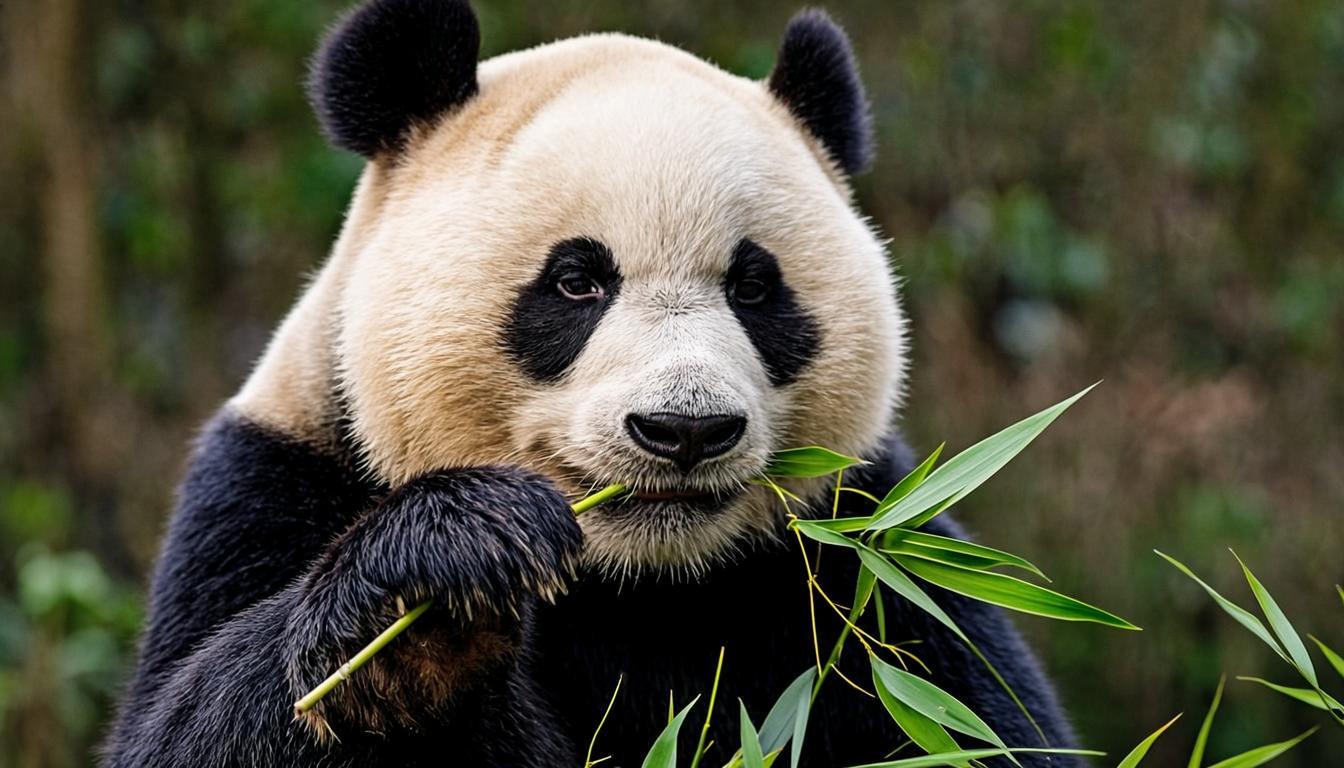
The Chengdu Research Base of Giant Panda Breeding sits closer to a major city center than any other panda facility in the world, and it shows off more giant pandas than anywhere else you can casually visit. It is both a working conservation and breeding institution and a public park — and almost every Chengdu itinerary includes it. Four things decide whether your visit is magical or sleepy: arrive early, book ahead, walk the right route, and give it enough hours.
Why You Must Go Early
Giant pandas are crepuscular by habit: in the cool of the morning they are at their liveliest — eating, climbing and tumbling happen almost exclusively in the first two or three hours after opening. As midday warms up, most pandas retreat to their air-conditioned indoor rooms or simply fall asleep, and the outdoor yards go eerily quiet.
- The base usually opens at 7:30 am (hours can shift slightly in peak season — follow the official announcements), and entering right at opening is the recognized golden window
- Before 10:00 am is when pandas are at their best; concentrate your photos and video there
- In Chengdu, sleeping in and seeing active pandas are an either-or — if you want both, put the city sightseeing in the afternoon
Moon Nursery and Sun Nursery: How to See the Cubs
The base's two most popular buildings are the Moon Nursery and the Sun Nursery, home to the care and display of young pandas. Whether you see cubs depends on the breeding calendar and that day's arrangements — cubs generally go on display months after birth, with babies born in late summer and early autumn meeting visitors the following spring.
- Watch quietly through the glass: flash off, no knocking on the glass, no loudspeakers
- Cubs spend most of the day asleep; catching one eating or climbing is genuine luck — circle back a second time for another chance
- Nursery queues are the longest of the day; a common tactic is to head straight there at opening and loop back to other areas later
Tickets, Reservations and Opening Hours
- Real-name booking is required: the official WeChat account and mini-program are the main channels, with major OTAs also selling. Book 3–7 days ahead for holidays and school breaks
- Adult tickets are in the tens-of-RMB range (commonly quoted around ¥55 — check the official channels for the live price); concessions apply for children, seniors and students
- Opening hours are usually 7:30–18:00 (last entry and closing times follow the official daily notice); the base enforces capacity limits at peak times, so arrive within your reserved slot
Getting There and the Route Inside
- Take metro Line 3 to Panda Avenue (Xiongmao Dadao) station, then transfer to the scenic-area shuttle or a bus; taxis can head straight for the main entrance
- The base is large and hilly — the sightseeing shuttle ticket is worth every cent, with hop-on hop-off stops that save serious walking
- Classic route: enter at the south gate → Moon Nursery → young panda enclosure → Sun Nursery → adult panda areas → finish at the panda tower and swan lake. Budget 2.5–4 hours
- In summer bring water and sun protection; there are restaurants and cafés inside, but they queue at mealtimes
Pairing It With the City: Pandas in the Morning, Old Chengdu in the Afternoon
Most visitors exit around midday, which is perfect timing for a half-day city loop:
- Kuanzhai Alleys (Wide and Narrow Alleys): Qing-dynasty lane layout with teahouses, ear-cleaning and Sichuan-opera face-changing in one stop
- People's Park: a bowl of tea at the Heming Teahouse — the standard-issue Chengdu afternoon
- Chunxi Road / Taikoo Li: hotpot or skewers for dinner, then shopping and night views
- With a spare day, add the Dujiangyan Panda Valley (fewer crowds, also pandas) paired with the ancient Dujiangyan irrigation works
Photos, Gear and Comfort
- A 24–70mm zoom is the ideal single lens: wide enough for the hillside enclosures, tight enough for individual pandas. Indoors, press close to the glass, switch off flash and shoot away
- Plain or dark clothing photographs best here — bamboo backdrops flatter everything, and the pandas' black-and-white coats pop against the green more than any bright color would
- The base is hilly: wear comfortable walking shoes, bring sun protection in summer and an umbrella in the rainy season. Strollers and wheelchairs rent at the south gate
- The education museum near the entrance is criminally underrated — ten minutes there makes the rest of the visit twice as interesting, especially with kids
- Finally, set expectations by season: spring and autumn offer the liveliest outdoor action, summer belongs to the air-conditioned nurseries, and winter pandas — fluffy in their thick coats — are an underappreciated treat for visitors who dress warmly
- Screenshot your ticket QR code in advance; the entrance queues move noticeably faster when the code is already on your screen, saving minutes at the gate every single time, especially on crowded weekends
FAQ
What if I don't see any cubs? Cub display depends on the breeding calendar and animal-welfare arrangements and is never guaranteed. Adult pandas are out all year — put your hopes in "active pandas" rather than "babies" and the visit will still deliver.
Are the pandas indoors in summer? Very likely. Once temperatures climb, pandas retreat to air-conditioned indoor rooms, which you can still watch through the glass. Going early remains the only real solution.
Do I need a guide? Signage and the education center are plenty for a self-guided visit. If you travel with kids or love breeding science, ask on site about paid docent services.
Are there other places to see pandas near Chengdu? Yes — the Dujiangyan Panda Valley and the Wolong Shenshuping base each have their own character and pair well with Dujiangyan or the Four Sisters Mountain routes, ideal for a second, quieter visit.