 Fifth Timezone Travel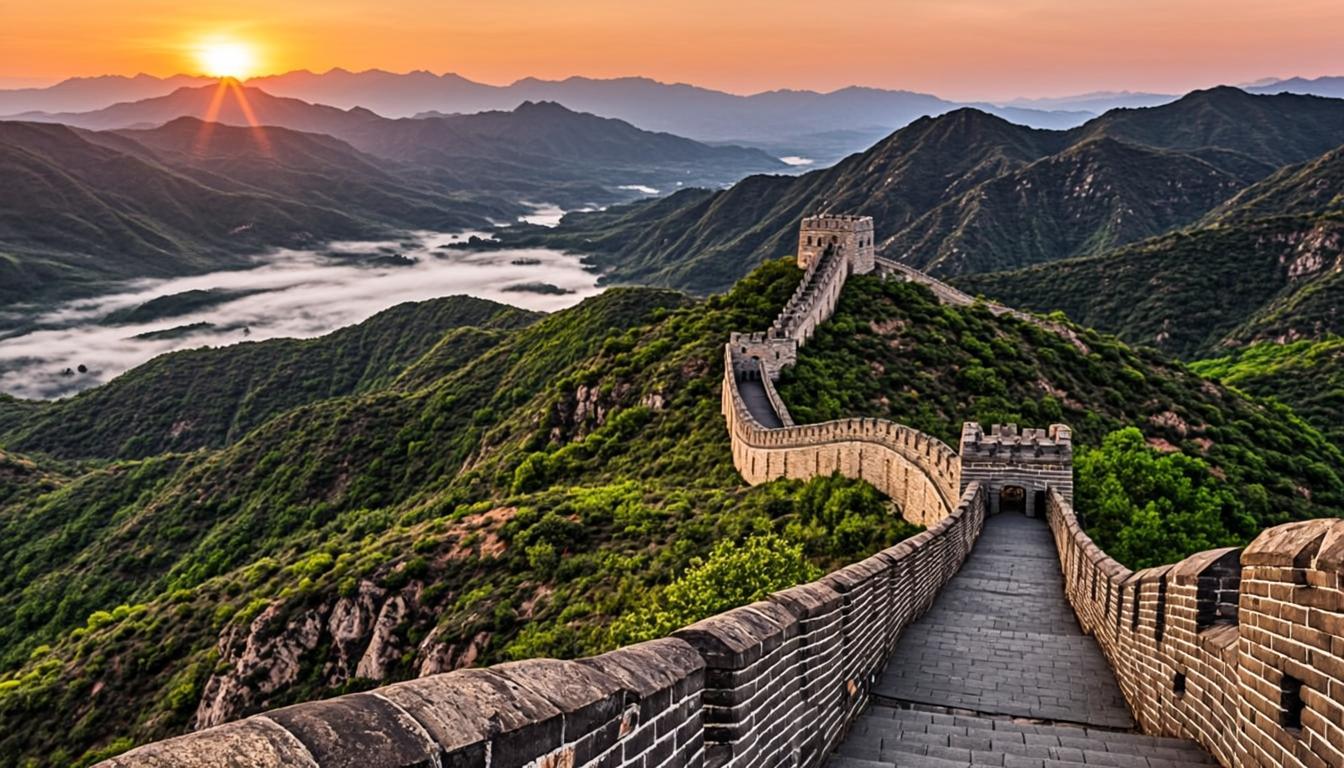
"Walk the Great Wall" is never a single choice: a dozen walkable sections sit within day-trip range of Beijing, and they differ more than most people expect. Here is how the four most-compared sections stack up on crowds, scenery, transport, cable cars and who they suit — so you can match the wall to your trip instead of defaulting to the most famous name.
The Quick Answer
Skim this list, then read the section that matches you — each pick is expanded in detail below.
- Traveling with seniors or small kids: Badaling (easiest logistics, fullest facilities) or Mutianyu (fewer crowds, fun toboggan)
- First time in Beijing, one day only: Mutianyu first; Badaling if you want to pair the wall with the high-speed rail experience
- Photographers and hikers: Jinshanling — sunrise, sunset and wonderfully rugged masonry; fit hikers can look into longer traversal routes (opening status must be confirmed in advance)
- Night views: Simatai, the only section near Beijing with an organized night tour, usually combined with Gubei Water Town
Badaling: The Famous One, and the Easiest to Reach
Badaling is the "standard" Great Wall: grand, fully restored and comfortable underfoot, with the Beijing–Zhangjiakou high-speed rail and the S2 suburban line delivering you close to the gate, plus buses and tourist shuttles beyond. The trade-off is people — on summer weekends and public holidays the ramparts can feel like a slow procession. If a weekend is unavoidable, target the earliest rail departures: the crowd curve steepens sharply from 10:00.
- Strengths: unbeatable transport, broad walkways, a complete cable-car/chairlift network, mature food and souvenir services
- Weaknesses: peak-season crowds; clean photos require an early start or patient timing
- Suits: first-timers, families, visitors with seniors or young children, anyone short on time
Mutianyu: The Best Balance of Scenery and Serenity
Mutianyu's forest coverage is among the highest of any section near Beijing — peach blossom in spring, fiery foliage in autumn — and it consistently feels calmer than Badaling. A cable car lifts you near Tower 14, and the toboggan run down is half the reason many people come. Photographers also love a detail here: Mutianyu keeps double-sided battlements along most of its crest, a rarity among the Beijing sections. The catch: no direct metro, so you'll arrive by chartered car, ride-hailing or a tourist shuttle — one extra logistics step.
- Strengths: beautiful setting, manageable crowds, a genuinely fun slide descent, and the section international visitors rate highest
- Weaknesses: no direct public transit; cable-car queues build after midday in high season
- Suits: families with school-age kids, international visitors, anyone who wants "wall plus play"
Jinshanling and Simatai: Where Photographers and Hikers Go
Jinshanling, in Hebei's Luanping county, keeps more of its original character: barrier walls, battlements and a string of watchtowers marching over the ridgeline. It is the most photogenic of the four at dawn and dusk, with a mature hiking route along the wall (about 10 km end to end). Simatai, next to Gubei Water Town, preserves steep original steps and runs night visits (real-name reservation, limited slots). A booking note: night visits cap daily numbers and often sell out on holiday weekends — reserve the moment your dates are fixed. Both are steeper and wilder than Badaling or Mutianyu — not ideal for toddlers or anyone unsteady on stairs.
- Jinshanling: photography, hiking, solitude; roughly 2–2.5 hours by car from central Beijing
- Simatai: night lighting and the water-town combo; book night slots well ahead
- Suits: reasonably fit adults, photographers and second-time Beijing visitors
Side-by-Side at a Glance
- Crowds (peak season): Badaling > Mutianyu > Simatai ≈ Jinshanling
- Transport ease: Badaling (direct rail) > Mutianyu (shuttle or charter) > Jinshanling & Simatai (about two hours by car)
- Cable cars: Badaling and Mutianyu most complete (cable car plus toboggan/slide); Jinshanling has a ropeway; Simatai is largely on foot
- Scenery: Jinshanling (sunrise/sunset) > Mutianyu (seasonal color) > Simatai (night) > Badaling (classic grandeur)
- Family-friendliness: Badaling & Mutianyu > Jinshanling & Simatai
Practical Advice
- Entrance fees and cable cars follow peak/off-peak pricing: tickets are generally in the tens of RMB, with cable cars and slides adding roughly a hundred-odd RMB round trip — each section differs, so check the scenic area's official channels for the day's prices
- Start early: on the wall by 8:00 means softer light, thinner crowds and cooler air. Reserve real-name tickets on official channels before holidays
- Wear grippy shoes and carry water; steps are uneven and steep in stretches — keep children and seniors within arm's reach
- Mountain ridges run 3–5°C cooler than the city and noticeably windier — a windproof layer matters even on sunny spring days
- Want people-free photos? Walk ten minutes past the cable-car top stations — the crowds thin dramatically after the first tower or two
- Reconfirm opening status the day before: sections occasionally adjust paths, lifts or hours for weather and management
FAQ
Which section should a first-time visitor choose? Badaling if you value easy logistics; Mutianyu if you want better photos and a calmer wall. Both deliver the full "you are not a hero until you reach the Great Wall" moment.
Can I hike from Jinshanling to Simatai? It's a classic route in hiking lore, but Simatai operates on a reservation system and through-hiking is only possible when both parks' current rules allow it — confirm with the scenic areas or your operator before planning the traverse.
Does the Great Wall close in winter? Badaling and Mutianyu stay open year-round, though icy paths or cable cars can pause temporarily in snow; Jinshanling and Simatai winter operations vary — always verify before setting out.
Do I need a guide or a day tour? For a first visit on a tight schedule, a day tour bundling transport and tickets is the least stressful option. Going independently, sort out your return transport in advance — taxis are scarce near the quieter sections. For families, a private car with a driver is the middle path: flexible timing without the stress of driving yourself.