01|How to choose winter travel in China?
The characteristic of winter travel in China is that you can experience completely different climates and landscapes at the same time.
In Northeast China and northern Xinjiang, you can see ice and snow cities, forests and snow fields, snow mountains and ski resorts in winter; in Hainan, southern Yunnan and Panzhihua, Sichuan, winter is more suitable for looking for sunshine, warm climate and outdoor leisure experience.
If you want to experience the diversity of winter on a trip to China, destination selection is more important than simply pursuing the “coldest” or “warmest.”
From November 2026 to February 2027, you can choose in the following directions:
| travel preferences | Recommended destinations | Main experience |
|---|---|---|
| Urban Ice, Snow and Winter Festivals | Harbin | Ice sculptures, snow sculptures, ice and snow themed activities, historical buildings |
| Skiing and Snow Sports | Yabuli, Altay | Skiing, snow resort vacations, snow outdoor activities |
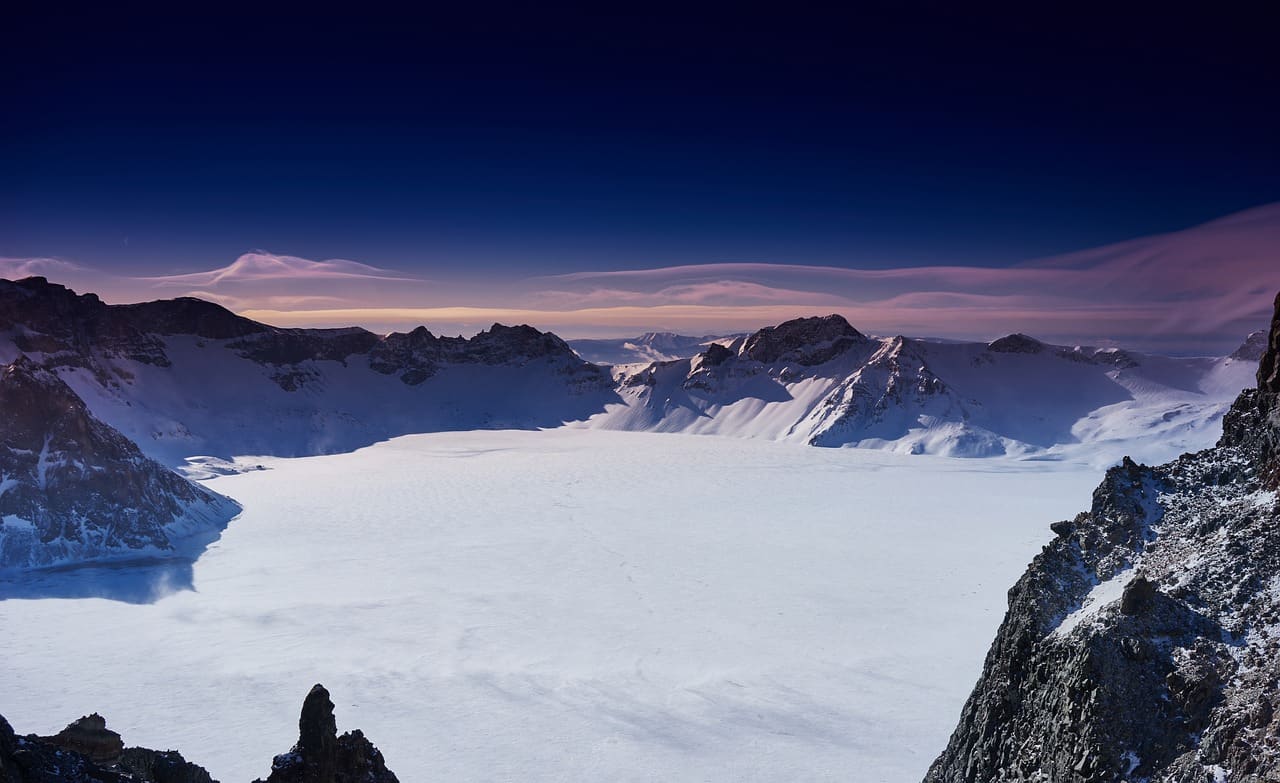
| Snowy mountains and volcanic landforms | Changbai Mountain | Winter forests, snow mountains, hot springs, volcanic landforms |
| Warm seaside and leisure | Hainan | beach, coastline, tropical scenery, vacation |
| Tropical Nature and National Culture | Xishuangbanna | Tropical rainforest, Dai culture, plants and wildlife |
| Tea Mountains, Forests and Slow Travel | Pu'er | Tea culture, coffee, forest and rural experience |
| Warm and Dry Winter Travel | Panzhihua, Mangshi, Tengchong | Mountain landscape, hot springs, border culture, outdoor recreation |
| winter nature landscape | Huangshan, Jiuzhaigou, and parts of western Sichuan | Snow, mountain landscape, winter photography |
It’s important to note that the above destinations are not the same travel experience. Northeastern ice and snow travel emphasizes outdoor activities in low-temperature environments, Hainan and southern Yunnan emphasize relatively warm climates, and high mountain areas require consideration of altitude, road, and weather changes.
02|China’s winter weather in 2026–2027: What do you need to know before going?
Winter climate trend information released by the China Meteorological Administration on November 3, 2026 shows that from the end of 2026 to the beginning of 2027, the national temperature is expected to be generally higher, but the frequency of cold waves is slightly higher, and the changes in cold and warm temperatures are large.
At the same time, the risk of heavy cooling and heavy snowfall is prominent in the northern region, and there are also risks of periodic low temperature, rain, snow, and freezing weather in some areas of the south. In December and January 2027, periodic strong cooling and strong warming events may be more frequent.
This means that winter travel in China this season cannot simply be understood as a "warm winter".
North: Overall cold, periodic snowfall and strong cooling still need attention
Northeast China, northern Xinjiang and parts of Inner Mongolia are still the main areas for winter ice and snow travel.
In places such as Harbin, Yabuli, Changbai Mountain and Altay, significant low temperatures, snowfall, strong winds and icy roads may occur in winter.
For tourists who plan to ski or go to the mountains, the weather not only affects the physical sensation, but may also directly affect the ski trails, ropeways, scenic roads and traffic operations.
South: relatively warm, but that doesn’t mean there’s no cold weather
Hainan, southern Yunnan and southern Sichuan are the most popular cold escape areas in China in winter.
However, the climate in different regions in the south is significantly different:
- The coastal areas of Hainan are generally warmer than the central mountainous areas.
- Winter in Xishuangbanna is relatively warm, and January to February is usually the dry season.
- Pu'er, Panzhihua and Mangshi are warmer during the day, but may be cooler in the morning and evening.
- Guangxi, northern Guangdong and parts of central China may still be affected by cold air.
If you want to get a relatively stable warm experience in winter, you should give priority to southern Hainan, southern Yunnan and other areas, and check the specific weather forecast according to the departure date.
Important Note: Seasonal climate forecasts describe the overall trend over a period of time and cannot accurately predict the weather in a certain city on a certain day. When booking mountain, skiing and outdoor activities, you should double-check local weather forecasts and scenic area announcements before departure.
03|Northern ice and snow destination: experience the real Chinese winter
1. Harbin: the most representative ice and snow city in China
Harbin is one of China's most representative winter tourism cities and a major destination for international tourists to learn about Northeast China's winter culture.
There are not only ice and snow landscapes here, but also Russian-style buildings, historical districts, Northeastern food culture and winter urban activities.
Main experience:
- Harbin Ice and Snow World: a large-scale ice and snow themed scenic spot, with ice sculptures, snow sculptures, ice and snow buildings and winter entertainment projects as its main features.
- Central Street: a historical district that retains a large number of historical buildings of different architectural styles.
- Surrounding St. Sophia Church: a representative historical building area in Harbin.
- Sun Island: holds snow sculptures and related ice and snow themed activities in winter.
- Along the Songhua River: You can experience the winter river surface and urban ice and snow landscape. Specific activity areas should be subject to seasonal safety management and opening announcements.
The 2026-2027 Harbin ice and snow season is planned to start in early November and last until March 2027. The current season plan announced by Harbin includes key projects such as Ice and Snow World, Sun Island International Snow Sculpture Art Expo, Songhua River Ice and Snow Carnival, and Zhaolin Park Ice Lantern Art Garden Party.
However, it should be noted that the start of the ice and snow season does not mean that all scenic spots and projects will be open at the same time. The official opening date, ticket prices, business hours and specific projects of large ice and snow scenic spots such as Ice and Snow World should be subject to the official announcement of the season.
Recommended stay: 3–4 days.
Suitable for tourists:
- It is the first time for international tourists to experience winter in China.
- Visitors interested in ice sculptures, snow sculptures, historical buildings and winter festivals.
- Visitors who want to experience snow and ice in an urban environment rather than on an extended outdoor adventure.
2. Yabuli: a representative ski destination in Northeast China
If the focus of your trip is skiing rather than simply viewing the ice and snow landscape, Yabuli is a destination worth considering around Harbin.
Yabuli Ski Resort has ski trails of different levels, which can satisfy both beginners and tourists with certain skiing experience.
Information released on November 3, 2026 shows that Yabuli’s 2026-2027 snow season is scheduled to officially start on November 6, and trial skiing has begun on November 1.
Starting from Harbin, you can take the high-speed train to Yabulixi Station, and then connect with local transportation to the ski resort. The actual journey and connection arrangements should be confirmed based on the specific train number and accommodation location.
Main experience:
- Beginner, intermediate and advanced ski trails.
- Snowboarding and skiing.
- Ski instruction and equipment rental.
- Snow resorts and winter outdoor activities.
Beginners should give priority to courses with instructor guidance. It is not recommended to enter advanced ski trails without basic and safe guidance.
It should be noted that the official opening of a ski resort does not mean that all ski trails, ropeways and supporting facilities are fully open. Snow conditions, snowmaking progress, temperatures and operational schedules may affect actual openings.
Recommended length of stay: 2–3 days.
Suitable for tourists:
- Beginners who want to learn to ski.
- Tourists with some skiing experience.
- Tourists who want to combine urban ice and snow experience with skiing.
3. Changbai Mountain: Snow Mountains, Forests and Hot Springs
Changbai Mountain is located in the southeast of Jilin Province and is a representative mountain natural landscape destination in Northeast China.
Changbai Mountain in winter is mainly characterized by snow-capped mountains, forests, volcanic landforms and hot spring experiences.
Different from the urban ice and snow experience in Harbin, Changbai Mountain emphasizes the natural environment and mountain landscape.
Main experience:
- Changbai Mountain Tianchi: Crater Lake is the most representative natural landscape of Changbai Mountain.
- Changbai Mountain Waterfall: The winter environment has different landscape characteristics from other seasons.
- Julong Hot Spring: Leisure experiences can be arranged based on local hot spring resources.
- Snow Forest: Suitable for nature photography and winter outdoor sightseeing.
An issue that must be understood in advance: Tianchi is not guaranteed to be open every day.
The main peak of Tianchi has a higher altitude, and the weather is obviously different from that at the bottom of the mountain. Changbai Mountain Scenic Area will determine whether to open based on meteorological information and scenic area early warning response mechanism, combined with on-site operating conditions.
Tianchi attractions may be temporarily closed in the event of strong winds, snowfall, low visibility or other adverse conditions.
Therefore, when going to Changbai Mountain, "climbing to the top and seeing Tianchi" should not be regarded as the inevitable result. It is recommended to include other experiences such as waterfalls, hot springs, and forests into the itinerary to avoid the entire trip being affected by the closure of the main peak.
Recommended stay: 3–4 days.
Suitable for tourists:
- Tourists who like snow-capped mountains and forest landscapes.
- Visitors who want to experience hot springs and the natural winter environment.
- Tourists who can accept weather changes in mountainous areas and temporary adjustments to scenic spots.
4. Altay: Snow Mountains and Skiing Experience in Northern Xinjiang
Altay is located in northern Xinjiang and is an important winter skiing and ice and snow tourism area in China.
The winter experience here is different from that in Harbin, with more emphasis on snow-capped mountains, mountain skiing, forests and outdoor sports.
Main experience:
- Jiangjun Mountain International Ski Resort.
- Keketuohai International Ski Resort.
- Snowy mountain and forest landscape in the Altai Mountains region.
- Local folk customs and the natural environment of northern Xinjiang in winter.
Altay is suitable for tourists who take skiing as the main purpose of their trip, and is also suitable for people with some winter outdoor experience.
However, some destinations in Altay are far apart, and winter road conditions and weather changes may affect transportation arrangements. Heavy snowfall, low temperatures or avalanche risks may lead to road traffic restrictions, ski trail closures or temporary adjustments to scenic spots.
It is recommended not to arrange multiple distant ski resorts into a continuous compact itinerary, especially not to arrange the night after skiing as a long-distance transfer that must be caught up.
Recommended length of stay: 4–6 days, depending on ski area and activities chosen.
Suitable for tourists:
- People whose main purpose of travel is skiing.
- Tourists who want to experience the natural winter scenery in northern Xinjiang.
- Outdoor travelers who can accept the uncertainty of weather and transportation.
5. Beijing-Zhangjiakou: Urban Culture and Winter Mountain Experience
If you don’t want to travel to Northeast China or Xinjiang for a long time, you can also consider the combination of Beijing and Zhangjiakou.
Beijing has the Forbidden City, the Great Wall, historical districts and rich urban cultural resources; Zhangjiakou and Chongli areas are famous for winter skiing and mountain sports.
Main experience:
- Beijing: Forbidden City, Great Wall, Hutongs and historical and cultural landscapes.
- Zhangjiakou Chongli: skiing, snow resorts and winter mountain activities.
- High-speed rail transportation between Beijing and Zhangjiakou.
The advantage of this type of combination is that it can combine Chinese history and culture with winter sports.
It should be noted that Beijing is usually drier in winter, and the wind and body temperature may be lower; the temperature, snowfall, and snowfield operating conditions in Chongli Mountain are also different from those in urban Beijing.
Recommended length of stay: 6–8 days.
04|Cold escape destination in the south: Looking for sunshine and warmth in winter in China
1. Hainan: seaside vacation and tropical scenery
Hainan is one of China's most representative winter escape destinations.
Hainan has a tropical monsoon oceanic climate, with relatively dry winter and spring and heavy rainfall in summer and autumn. The average annual temperature on the island is about 24.9°C, but there are differences in temperature, rainfall and body temperature in different areas of the island.
The focus of winter travel in Hainan is not simply to pursue high temperatures, but to take advantage of the relatively warm climate to arrange seaside leisure, outdoor activities and tropical nature experiences.
Main areas:
- Sanya: beaches, bays, seaside vacations and outdoor activities.
- Wanning: coastline, surfing and seaside recreation.
- Lingshui: bays, islands and coastal landscapes.
- Haikou: urban culture, Qilou historical district and travel hub in northern Hainan.
- Qionghai: Coastal scenery and relatively leisurely city travel.
The Hainan Island Ring High-speed Railway connects Haikou, Wenchang, Qionghai, Wanning, Lingshui, Sanya and other major areas, and is suitable for tourists who do not want to drive the whole journey.
However, not all areas in Hainan have equally warm winters. The central mountainous area has a higher altitude and the temperature is usually lower than that of the coastal areas; January is also a relatively cold month of the year in Hainan.
Also, winter doesn’t mean every day is suitable for swimming. Sea water temperature, wind waves, sea conditions and weather will all affect the arrangement of marine activities.
Recommended length of stay: 7–12 days.
Suitable for tourists:
- Visitors who wish to enjoy the sun and seaside environment during the winter months.
- Those looking to arrange relaxing vacations, coastline excursions and outdoor recreation.
- Tourists who do not want to spend long periods of time in freezing temperatures.
2. Xishuangbanna: Tropical Rainforest and National Culture
Xishuangbanna is located in the southernmost part of Yunnan Province and has a tropical monsoon climate.
Compared with Northeast China, the winter climate here is much warmer. January to February is usually the local dry season, which is suitable for arranging tropical natural landscapes, ethnic culture and outdoor activities.
Main experience:
- Xishuangbanna Tropical Botanical Garden, Chinese Academy of Sciences: Understand tropical plants and ecological environment.
- Wild Elephant Valley: Experience the tropical forest environment and conservation and science content related to Asian elephants.
- Manting Park: Learn about local history, culture and garden landscape.
- Dai Village: Experience Dai architecture, food and culture.
- Along the Lancang River: Feel the tropical city and river landscape.
Xishuangbanna is suitable for tourists who want to experience the tropical natural environment in China’s winter.
It is important to note that the dry season does not mean no rainfall at all. The sun is strong during the day, so you should pay attention to sun protection and hydration during outdoor activities, and respect the safety management requirements of wildlife viewing areas.
Recommended length of stay: 4–6 days.
3. Pu'er: Tea Mountain, Coffee and Forest Slow Travel
Located in southwestern Yunnan, Pu'er has relatively mild winters, making it suitable for tourists who want to slow down and experience local life and the natural environment.
Compared with Xishuangbanna, Pu'er is more suitable for travel themes based on tea culture, coffee, mountain villages and forests.
Main experience:
- Jingmai Mountain: Learn about traditional tea forest culture and local villages.
- Nakori: Experience the history and culture related to the Ancient Tea Horse Road.
- Pu'er Tea Mountain: Learn about the culture of tea growing, making and drinking.
- Coffee Manor: Experience Yunnan coffee cultivation and production.
- Forests & Countryside: Arrange a relatively relaxing nature trip.
Pu'er is generally comfortable during the day in winter, but temperatures can drop at night, and accommodation in mountainous areas and rural areas requires special attention to thermal insulation conditions.
Recommended length of stay: 3–5 days.
4. Tengchong: hot springs, volcanoes and border culture
Tengchong is located in western Yunnan and is one of the representative destinations for winter hot spring travel and natural landscape travel.
The winter experience here is dominated by volcanic landforms, geothermal hot springs, history, culture and rural environment.
Main experience:
- Atami: Feel the hot spring landscape formed by volcanic geothermal activity.
- Volcano Geopark: Learn about volcanic landforms.
- Heshun Ancient Town: Experience the historical district, traditional architecture and overseas Chinese culture.
- Ginkgo Village: It is famous for its rural landscape in autumn and winter. The specific viewing effect is affected by the season and the weather of the year.
- Around Gaoligong Mountain: Experience the natural mountain environment. Specific routes need to be arranged according to opening conditions and weather.
Tengchong is relatively comfortable during the day in winter, but it can be cooler in the morning and evening. Hot spring activities should comply with site safety requirements, and prolonged soaking is not advisable.
Recommended length of stay: 4–5 days.
5. Mangshi: Sunshine and Frontier Culture in Western Yunnan
Mangshi is located in the Dehong Dai and Jingpo Autonomous Prefecture in Yunnan. It is a destination that tourists looking for a relatively warm climate, ethnic culture and frontier life experience in winter can consider.
Main experience:
- Menghuan Shwedagon Pagoda and surrounding cityscape.
- Dai, Jingpo and other ethnic cultures.
- Local specialties.
- Surrounding villages and natural landscapes.
Mangshi is usually warmer during the day and has more sunshine in winter, but it can still be cooler in the morning and evening. Pay attention to sun protection and hydration during outdoor activities.
Recommended length of stay: 2–3 days.
6. Panzhihua: Winter sunshine in southern Sichuan
Panzhihua is located in the southernmost tip of Sichuan Province and has a typical south subtropical hot dry valley climate.
The winter climate here is obviously different from that of the Sichuan Basin and the Western Sichuan Plateau. In winter, the daytime is relatively warm and there is more sunshine, but the temperature difference between day and night is large.
Main experience:
- Landscapes along the Jinsha River and in the valley.
- Travel to Miyi and surrounding countryside.
- Spa and leisure vacation.
- Local fruit, farming and urban living experiences.
Panzhihua is suitable for tourists who want to have a relaxing outdoor trip, rural leisure and short-term escape from the cold in winter.
Recommended length of stay: 3–5 days.
05|Winter natural landscape: a choice that does not have skiing or cold shelter as its main purpose
If your travel focus is on natural attractions rather than skiing or finding warmer climates, China still has some winter destinations worth considering.
However, winter mountain travel is different from urban travel. You must pay attention to altitude, snowfall, roads and scenic spot openings.
1. Huangshan: Winter Mountain Landscape
Huangshan is famous for its strange pines, strange rocks, sea of clouds and mountainous landscapes.
In winter, you have the opportunity to see snow, rime and sea of clouds, but these natural phenomena are significantly affected by the weather and do not appear every day.
Temperatures in the mountains are lower than down below, and some roads and trails may be adjusted due to ice, snow, or safety management.
It is recommended to reserve sufficient time and not to arrange mountaineering, ropeway and downhill transportation too tightly.
2. Jiuzhaigou: Winter lakes and snow-capped mountains landscape
Jiuzhaigou Valley is located in Aba Prefecture, Sichuan, and is famous for its mountain lakes, waterfalls and forest landscapes.
Winter scenic spots may present different landscapes from autumn, including snow-capped mountains, ice waterfalls and winter lake scenery.
But not all areas, roads and tours will necessarily remain open in the same way throughout the winter. Visitors should check scenic spot announcements, transportation arrangements and weather information in advance.
If you want to experience Jiuzhaigou, it is recommended to include transportation connections and weather allowance into your plan. It is not advisable to arrange Jiuzhaigou and distant plateau destinations into an overly compact continuous itinerary.
3. Western Sichuan Plateau: Snow Mountains and Plateau Natural Environment
Western Sichuan includes multiple areas with different altitudes and climatic conditions, and the natural landscape in winter is very attractive.
But Western Sichuan is not a destination that can simply be summarized by the same set of winter travel conditions.
Road conditions vary greatly between different counties, cities, mountain passes and scenic spots. Snow, icy roads, strong winds and temporary traffic restrictions are possible in some higher elevation areas.
If you have no experience of self-driving in winter plateaus, it is not recommended to make remote mountainous areas and high-altitude routes the main content of your first winter trip to China.
06|November 2026 to February 2027: Where to go each month?
The choice of destination for winter travel in China not only depends on the region, but also on the month of travel.
November: Winter begins, suitable for off-peak travel
November is the time when northern China gradually enters winter.
Recommended direction:
- Harbin: The ice and snow season has begun. Please pay attention to the announcement for the specific opening hours of large-scale ice and snow scenic spots.
- Yabuli: It is planned to officially open on November 6, 2026, but the opening range of the ski trails and the project still needs to be confirmed.
- Hainan: It has entered a relatively dry season, suitable for seaside vacations.
- Xishuangbanna and Pu'er: suitable for tropical nature and slow travel.
There may be significant differences in temperatures between early and late November. Tourists planning to travel to Northeast China and Xinjiang should prepare winter equipment based on the actual weather.
December: Ice and snow travel gradually enters the main season
December is usually an important month for winter travel in northern China.
Recommended direction:
- Harbin: Ice and snow theme scenic spots and winter activities have gradually entered the main operation period.
- Yabuli: suitable for arranging skiing.
- Changbai Mountain: Suitable for snow mountain, forest and hot spring experiences, but the opening of Tianchi depends on the weather.
- Hainan: Suitable for winter cold escape and seaside leisure.
- Southern Yunnan: suitable for nature, culture and warm climate travel.
If you want to experience large-scale ice and snow projects such as Harbin Ice and Snow World, it is recommended to confirm the official opening time of the season before confirming air tickets and accommodation.
January 2027: The most iconic month of winter
January is an important month for experiencing winter ice and snow in Northeast China and northern Xinjiang. It is also a popular travel period for cold escape destinations such as Hainan and southern Yunnan.
Recommended direction:
- Harbin: Ice and Snow City Experience.
- Yabuli: skiing and snow resort vacations.
- Changbai Mountain: winter mountain landscape and hot springs.
- Altay: Skiing and the natural winter landscape of northern Xinjiang.
- Hainan: Take shelter from the cold on the seaside.
- Xishuangbanna: Tropical Dry Season Travel.
- Pu'er, Mangshi, Panzhihua: Slow travel in relatively warm winter.
It should be noted that January is also a period that deserves special attention due to cold waves and periodic strong cooling. Even if the overall climate trend is warmer, short-term cold temperatures and snowfall risks cannot be ignored.
February 2027: Winter experiences coexist with Spring Festival travel
When traveling to China in February, special attention must be paid to the Spring Festival holiday and changes in traffic, accommodation and tourist flow in scenic spots before and after.
Some areas in the north are still experiencing ice and snow, and temperatures are beginning to gradually rise in some areas in the south.
Recommended direction:
- Harbin and Yabuli: Continue to experience ice, snow and skiing, but the operation situation during the snow season needs to be verified.
- Changbai Mountain: Suitable for natural landscapes and hot spring experiences in winter.
- Hainan: Suitable for seaside vacation.
- Xishuangbanna: suitable for tropical nature and national culture.
- Pu'er, Mangshi, Panzhihua: suitable for slow travel and outdoor leisure.
If you want to avoid the traffic and accommodation peaks during the Chinese New Year, you should confirm the Spring Festival holiday dates in advance and book major transportation and accommodation as early as possible.
07|How to combine winter travel routes in China?
China has a vast territory, and cross-regional travel in winter requires special consideration of transportation time and climate differences.
It is not recommended to ignore the actual distance between cities in order to cover as many provinces as possible in one trip.
The following routes are suitable as a reference for preliminary planning. The specific transportation methods and length of stay should be adjusted according to flights, railway schedules and current season operations.
Route 1: Harbin + Yabuli|Urban Ice, Snow and Skiing
Recommended time: about 7 days
- Harbin: 3–4 days.
- Yabuli: 2–3 days.
- Transportation and maneuvering time: about 1 day.
This route is suitable for international tourists experiencing the winter in Northeast China for the first time.
Harbin is responsible for urban culture, ice and snow landscapes and winter activities, while Yabuli is responsible for skiing experience.
Route 2: Harbin + Changbai Mountain|Northeast Ice, Snow and Natural Landscape
Recommended time: 8–10 days
- Harbin: 3–4 days.
- Changbai Mountain: 3–4 days.
- Intercity transportation and maneuvering time: 1–2 days.
This route allows you to experience ice and snow cities, forests, snow mountains and hot springs at the same time.
It should be noted that the connection between Harbin and Changbai Mountain is not a simple short-distance urban transportation. The actual transportation mode may involve railways, connecting vehicles or other combinations. It is recommended to arrange the transfer according to the final choice of the Changbai Mountain Scenic Area entrance and accommodation area.
Route 3: Hainan island tour | Winter seaside vacation
Recommended time: 7–12 days
You can choose based on your travel preferences:
- Haikou: Urban Culture and Northern Travel.
- Wenchang and Qionghai: the eastern coastline of Hainan.
- Wanning: seaside activities and surfing.
- Lingshui: bays and islands.
- Sanya: seaside vacations and outdoor recreation.
Hainan's high-speed rail around the island is suitable for connecting multiple major cities, but some bays, villages, towns and resorts still require local transportation connections.
If you want to make your trip easier, you don’t have to visit every area in one week.
Route 4: Xishuangbanna + Pu'er | Tropical nature and tea culture
Recommended time: 7–9 days
- Xishuangbanna: 4–5 days.
- Pu'er: 3–4 days.
This route is suitable for tourists who want to experience tropical rain forests, tea mountains, coffee and ethnic culture.
Both areas are located in southern and southwest Yunnan, with relatively mild climates, suitable for arranging outdoor activities in winter.
Route Five: Tengchong + Mangshi|Hot Springs and Western Yunnan Culture
Recommended time: 6–8 days
- Tengchong: 4–5 days.
- Mangshi: 2–3 days.
This route is suitable for tourists who want to experience hot springs, volcanic landforms, history, culture and local life in western Yunnan.
Road transportation needs to be arranged between the two places. In winter, the road and actual driving distance should be confirmed in advance.
Route 6: Panzhihua + Southern Yunnan|Winter sunshine and slow travel
Recommended time: 8–12 days
You can choose Panzhihua, Pu'er, Xishuangbanna and other areas based on traffic and interests, but it is not recommended to ignore cross-regional transfer time in order to cover more destinations.
This route is suitable for tourists who are staying for a longer time and want to travel in warm climates in southern China.
08|Foreign tourists traveling in China in winter: transportation and practical information
1. Domestic flights: Traveling across regions usually saves time
China has a vast territory, with long distances between Northeast China, Hainan, Yunnan and Xinjiang.
Domestic flights are often a great time-saving option if you plan to cross several large regions in one trip.
suggestion:
- Prioritize airports that are closer to your destination.
- Be aware of the impact of winter snow, low temperatures and high winds on flights.
- Try to avoid arranging unmissable scenic activities on the day of arrival of a long-distance flight.
- Allow enough time for cross-city transfers.
2. High-speed rail: suitable for connecting major cities
China's high-speed rail network covers many major cities and tourist areas.
Foreign passengers can use a valid passport to purchase train tickets in accordance with regulations, but they need to complete corresponding identity verification.
You can check and purchase tickets through the China Railway 12306 official website or official App:
https://www.12306.cn/en/index.html
Foreign tourists should pay attention to the following when purchasing tickets:
- Name, nationality and passport number should be consistent with travel documents.
- Complete identity information verification according to system requirements.
- After purchasing the ticket, bring the original valid ID used when purchasing the ticket to board the train.
- If the automatic gate cannot read your passport or there is a problem with your identity information, you can ask station staff for help and use the manual assistance channel.
Do not assume that automatic gates at all stations will be able to read foreign passports under all circumstances.
3. Winter road travel: allow time for weather changes
In regions such as Northeast China, Xinjiang, Changbai Mountain and Western Sichuan, winter road traffic may be affected by snowfall, icy roads, strong winds and reduced visibility.
Mountain roads, bridges, tunnels, shady sections and steep slopes require special attention.
suggestion:
- Don’t plan long-distance driving during snowfall and cold spells.
- Check local weather forecasts and road traffic information before setting off.
- Choose a regular transportation service with experience in winter driving.
- Don't risk driving in bad weather to catch a flight or train.
- Allow maneuver time for travel in remote mountainous areas.
If you are not familiar with China’s winter road conditions, it is usually easier to control travel risks by choosing a local regular chartered car or organized transportation service.
4. Winter clothing: Different regions require different equipment
The climate in China varies greatly in winter, and you cannot prepare just one set of clothing for all areas.
Northeast and northern Xinjiang:
- Warm inner layer.
- Down jacket or professional winter jacket.
- Windproof outer shell.
- Warm hat, gloves and scarf.
- Non-slip, waterproof winter shoes.
- When skiing, use helmets and protective gear that meet the activity requirements.
Mountain areas such as Changbai Mountain, Huangshan Mountain and Western Sichuan:
- Warm layered clothing.
- Windproof jacket.
- Non-slip shoes.
- Warm gloves and hat.
- Prepare rain and snow protective equipment according to the activity conditions.
Hainan and southern Yunnan:
- Light clothing.
- A light jacket or thermal layer for nighttime and mountain cooling.
- Sun protection products.
- Comfortable walking shoes.
For tourists departing from tropical areas, they should prepare equipment suitable for low-temperature environments in advance before traveling to Northeast China and Xinjiang. It is not recommended to rely entirely on temporary purchases after arrival.
09|Winter travel safety: Things to confirm before departure
1. Don’t regard the opening of scenic spots as fixed.
The opening of scenic spots in winter may be affected by weather and safety management.
Particular attention needs to be paid to:
- Changbai Mountain Tianchi and other mountain attractions.
- Ski resorts in Xinjiang and Northeast China.
- Mountain roads and viewing platforms.
- Winter nature reserve and outdoor hiking area.
If the scenic spot issues a temporary closure or adjustment announcement on the same day, priority should be given to complying with on-site management requirements.
2. When skiing, you should choose a ski trail that suits your level.
Beginners should first receive basic instruction to understand the rules of the ski resort, equipment use and safety requirements.
Don’t enter areas beyond your capabilities just because the slopes are open.
3. Pay attention to the impact of low temperature on electronic equipment
In low temperature environments, the battery life of mobile phones and cameras may be significantly reduced.
suggestion:
- Carry a backup power source with you.
- Try to keep electronic devices in warm inner pockets.
- Avoid exposing the battery to low temperatures for extended periods of time.
- Prepare camera and mobile phone protective equipment suitable for low-temperature environments.
4. Pay attention to plateau and mountainous environments
Traveling in mountainous areas such as Western Sichuan and Changbai Mountain requires consideration of altitude, weather and physical exertion.
Do not force yourself to continue hiking or outdoor activities when you feel unwell.
Before traveling to high-altitude areas, you should reasonably arrange the intensity of your activities according to your physical condition and allow time for weather changes.
5. You also need to pay attention to safety during hot spring activities
Hot springs are not an activity where you can soak for an unlimited amount of time.
Follow the instructions of the venue, control the soaking time, and avoid soaking in hot springs after drinking alcohol. Stop activities when you feel unwell.
10|FAQs about winter travel in China
Q1: Will the winter in China from 2026 to 2027 be very cold?
The China Meteorological Administration predicts that the national temperature will be generally high from the end of 2026 to the beginning of 2027, but the frequency of cold waves will be slightly higher and the temperature will vary greatly.
Strong cooling and heavy snowfall may still occur in the north, and periods of low temperature, rain, snow, and freezing weather may also occur in parts of the south.
Therefore, we cannot simply think that 2026-2027 will be a warm winter. Specific travel should be based on the weather forecast of the destination close to the departure date.
Q2: Which destination should I choose when visiting China for the first time in winter?
If you want to experience China’s most representative ice and snow city, Harbin is an easier choice to understand and arrange.
If you prefer a warmer climate, consider Hainan or southern Yunnan.
If you want to experience skiing, you can consider Yabuli; if you prefer snow mountains and natural landscapes, you can consider Changbai Mountain.
Q3: When will Harbin Ice and Snow World open?
Harbin’s 2026-2027 ice and snow season is planned to start in early November 2026, but the official opening date, ticket prices, business hours and specific projects of the Ice and Snow World should be subject to the official announcement of the scenic spot for the season.
It is not recommended to assume in advance that the scenic spot is fully open based solely on the start time of the ice and snow season.
Q4: Can you definitely see Tianchi when you go to Changbai Mountain in winter?
Not guaranteed.
Changbai Mountain Tianchi is located in a high-altitude area, and its opening will be affected by wind, snowfall, visibility and on-site operating conditions.
The scenic spot may temporarily close the Tianchi main peak area based on weather and safety management requirements.
It is recommended to include experiences such as hot springs, waterfalls and forests in your backup plan.
Q5: Where is the best place to avoid the cold in China in winter?
If you are looking for a relatively warm climate, you can give priority to Hainan, southern Yunnan, and parts of southern Sichuan.
Hainan is suitable for seaside vacation; Xishuangbanna is suitable for tropical nature and national culture; Pu'er is suitable for tea mountains, coffee and slow travel; Panzhihua is suitable for winter sunshine and outdoor leisure.
However, the temperature difference between morning and evening in various places and local weather still need to be considered.
Q6: Can I swim every day in Hainan in winter?
Not guaranteed.
Hainan is relatively warm in winter, but sea water temperature, wind, sea conditions and the temperature of the day will affect swimming and water activities.
January is usually a relatively cold month of the year in Hainan, and the central mountainous areas are also cooler than the coastal areas.
Q7: Can foreign tourists take high-speed rail in China?
Can.
Foreign tourists can use a valid passport to purchase train tickets in accordance with regulations and complete identity verification in accordance with the requirements of the railway system.
It is recommended to check the train number and ticket purchase requirements through the 12306 English website or official app in advance, and bring the original passport used for ticket purchase when taking the bus.
Q8: How far in advance do I need to book a trip to China in winter?
For popular destinations and during holidays, it is recommended to arrange air tickets, accommodation and major transportation as early as possible.
Accommodation and transportation demand may be concentrated during the ice and snow season in Harbin, around the Spring Festival, in Hainan winter resort areas and popular ski resorts.
If your itinerary includes the Changbai Mountains, Altay or Western Sichuan Mountains, you should also allow time for weather changes and traffic adjustments.
Q9: Is winter suitable for inter-provincial travel in China?
It is suitable, but it is not recommended to arrange too many cross-region transitions in a short period of time.
Northeast China, Hainan, Yunnan and Xinjiang are far apart. A reasonable approach is to select a main area and then add nearby destinations based on traffic conditions.
If travel time is limited, prioritizing a complete route with reasonable transportation connections is usually more valuable than pursuing more cities.
Conclusion: Choose a winter China that suits you
Winter travel in China is not all about ice and snow.
In Harbin, you can experience ice sculptures, snow sculptures and winter urban culture; in Yabuli and Altay, you can arrange skiing and mountain activities; in Changbai Mountain, you can experience snow mountains, forests and hot springs; in Hainan and southern Yunnan, you can turn winter into a day of sunshine, nature and slow travel.
When choosing a destination, the most important thing is to be clear about the travel experience you want, and consider the season, climate, transportation and scenic area opening conditions.
For international tourists visiting China for the first time in winter, instead of crossing multiple climate zones in a short period of time, it is better to choose a main destination that suits them and then arrange a route around it with reasonable traffic and a comfortable pace.
This often makes a winter trip to China more complete and easier to deal with weather changes.