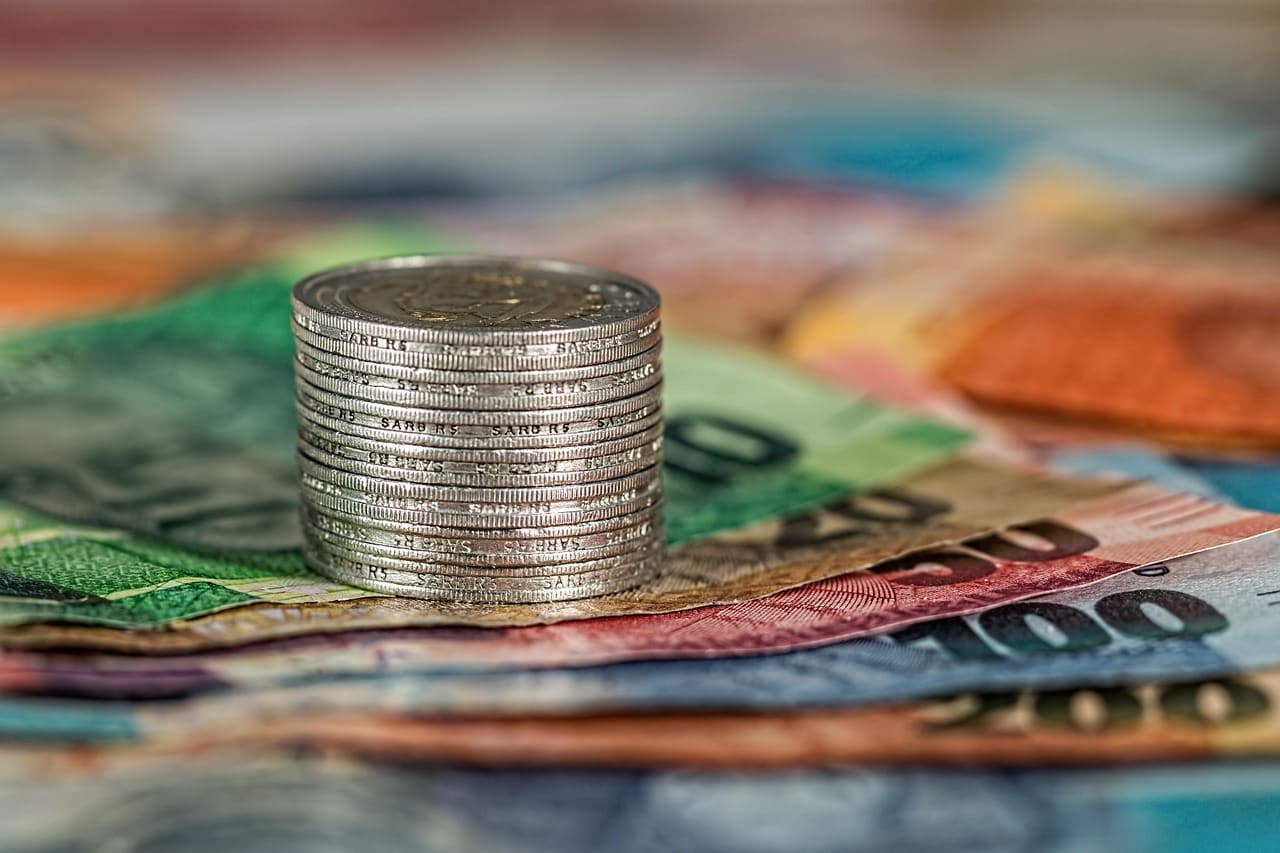
When traveling to China, foreign tourists can usually use mobile payment, bank cards and RMB cash to complete daily purchases. Although mobile phone scan code payment has become very common, RMB cash still has practical uses in some small shops, traditional markets, rural areas, traffic scenes, and when the network or equipment fails.
For international tourists coming to China for the first time, there are usually several questions that need to be addressed:
- Where can I exchange foreign currencies such as US dollars, euros, pounds, yen, etc. into RMB?
- Can I directly use an overseas bank card to withdraw RMB from a Chinese ATM?
- What is the difference between the exchange rates at banks, airports and hotels?
- Do I need a passport for currency exchange? Do I need to make an appointment in advance?
- What are the fees and limits for ATM withdrawals in China?
- Can the remaining RMB be exchanged back to foreign currency when leaving China?
- What are the customs regulations for carrying RMB and foreign currency cash in and out of China?
This article will introduce the practical methods for foreign tourists to use RMB cash in China from the aspects of foreign currency exchange, ATM cash withdrawal, cash payment, exchange fees, departure exchange and customs regulations.
Core suggestion: You do not need to exchange a large amount of RMB before entering the country, but you can prepare a small amount of cash as a backup; after arriving in China, obtain RMB through a bank, bank-authorized exchange point or ATM according to your itinerary, and keep the exchange voucher so that you can handle the remaining cash before departure.
01|What currency does China use? What does RMB cash look like?
The legal currency of mainland China is the RMB, the international currency code is CNY, and the common currency symbol is ¥.
The basic unit of RMB is Yuan, and "block" is often used to refer to Yuan in daily spoken language.
For example:
- 10 yuan: ten yuan or ten yuan
- 50 yuan: fifty yuan or fifty yuan
- 100 yuan: one hundred yuan or one hundred yuan
- 10 yuan and 50 cents: ten yuan and 50 cents
- 10 yuan and 5 cents: ten yuan and five cents
Auxiliary units of the RMB include dimes and cents:
- 1 yuan = 10 jiao
- 1 dime = 10 cents
RMB banknote denomination
The RMB banknotes currently in daily circulation mainly include:
- 1 yuan
- 5 yuan
- 10 yuan
- 20 yuan
- 50 yuan
- 100 yuan
RMB coin denomination
You can also see:
- 1 jiao
- 5 cents
- 1 yuan
Some denominations are also available in the form of banknotes and coins. The specific circulation situation varies by region and usage scenarios.
How much cash should you bring when traveling?
In big cities such as Beijing, Shanghai, Guangzhou, and Shenzhen, the use of mobile payments and bank cards is relatively common; however, cash is still useful in traditional markets, small restaurants, rural areas, and some transportation scenarios.
For general city travel, you can consider preparing a small amount of RMB, such as 200-500 yuan, as backup cash.
If you plan to travel to remote areas, mountains, villages, or carry out multi-day outdoor activities, you can add extra cash based on the actual trip.
This is just travel preparation advice, not an official rule, nor does it mean travelers must carry so much cash. Cash should not be kept all in the same wallet, and there is no need to carry large amounts of cash with you for travel.
02|How can foreign tourists obtain RMB in China?
There are three main ways for foreign tourists to obtain RMB cash.
Method 1: Exchange RMB overseas before entering the country
A small amount of RMB can be exchanged in advance at a bank, regular currency exchange agency or airport exchange point in the country of departure.
The advantages of this approach are:
- Cash available immediately upon arrival in China;
- No need to look for a redemption counter at the airport;
- Can cover temporary expenses such as transportation and meals upon arrival.
But please note:
- The supply of RMB banknotes at overseas exchange offices may be limited;
- Exchange rates and fees are determined by the exchange agency;
- Not all exchange points in countries or regions can provide RMB;
- Exchanging a large amount of RMB in advance may increase the risk of carrying cash.
If you're only traveling for a short period of time, it's usually not necessary to redeem your entire travel budget before departure.
According to China's current customs declaration regulations, inbound and outbound passengers carrying more than 20,000 yuan in RMB cash must declare to the customs; RMB cash is also subject to corresponding entry and exit management requirements. Do not understand the declaration threshold as allowing you to carry RMB cash without restrictions.
Method 2: Use foreign currency cash to exchange for RMB after arriving in China
If you carry foreign currency cash such as US dollars, euros, pounds, Japanese yen, Hong Kong dollars, etc., you can exchange them at a bank or exchange institution in China that has the corresponding business qualifications.
Common channels include:
- Commercial bank branches;
- Airport bank counter;
- Foreign currency exchange agencies authorized by banks;
- Self-service exchange machines installed by some banks;
- A hotel or other establishment authorized to provide foreign currency exchange services.
Not all bank branches, hotels and airport counters offer foreign currency banknote exchange services. Before handling, you should confirm whether the currency you hold is accepted and whether there are relevant business limits.
Method 3: Use an overseas bank card to withdraw money at a Chinese ATM
If you hold a bank card that supports overseas cash withdrawals, you can try to withdraw RMB at an ATM in China with the corresponding international bank card network logo.
Common bank card organizations include:
- Visa
- Mastercard
- UnionPay
- JCB
- American Express
- Diners Club etc.
Whether you can successfully withdraw money requires meeting the transaction requirements of the bank card network, the ATM operating bank and the card-issuing bank.
It is recommended to confirm with the card-issuing bank before departure:
- Whether cash withdrawals from overseas ATMs are allowed;
- Whether it is necessary to enable the international trading function in advance;
- Are there single and daily withdrawal limits;
- Whether there is a handling fee for overseas cash withdrawals;
- Whether an ATM PIN is required;
- Whether it is supported for use in China.
For short-term tourists, using overseas bank cards to withdraw cash from ATMs is a way to obtain RMB cash, but you should confirm in advance whether the bank card has the corresponding functions.
03|Where can foreign tourists exchange foreign currency in China?
1. International airport exchange points
Main international airports in China usually have bank counters, bank-authorized currency exchange agencies or self-service exchange facilities.
For example:
- Beijing Capital International Airport;
- Beijing Daxing International Airport;
- Shanghai Pudong International Airport;
- Shanghai Hongqiao International Airport;
- Guangzhou Baiyun International Airport;
- Shenzhen Baoan International Airport;
- Chengdu Tianfu International Airport.
The location, hours of operation and currencies available for redemption may vary by terminal and service provider.
The main advantage of airport exchange is convenience, especially for tourists who have just arrived and need to obtain RMB immediately.
But please note:
Exchange rates at airport exchange services may differ from those at urban bank branches or other formal exchange agencies.
If you only need a small amount of cash, you can give priority to the convenience of airport exchange; if you plan to exchange a larger amount, it is recommended to compare the actual quotes from different formal institutions.
2. Commercial bank branches
Banks are the more common formal foreign currency exchange channels.
For example:
- Bank of China;
- Industrial and Commercial Bank of China;
- China Construction Bank;
- Agricultural Bank of China;
- Bank of Communications;
- Other banks with corresponding foreign exchange business qualifications.
The currencies and businesses that different banks and branches can handle may be different.
Particular attention needs to be paid to:
Not every bank outlet can handle foreign currency cash exchange.
It is recommended to first look for business outlets marked "Personal local and foreign currency exchange" or "EXCHANGE", and confirm in advance whether personal foreign currency cash exchange services are provided through the bank's official website, mobile application or customer service phone number.
3. Foreign currency exchange agency authorized by the bank
Foreign currency exchange agencies authorized by commercial banks can be found in airports, transportation hubs, tourist areas and commercial centers in some cities.
Such institutions usually provide foreign currency banknote exchange services to tourists.
According to the current regulations of the State Administration of Foreign Exchange, foreign currency exchange agencies must sign authorization agreements with banks with corresponding business qualifications and carry out exchange business within the scope of authorization.
Before handling, please confirm:
- Whether there is a bank authorization mark;
- Is there a clear exchange rate display?
- Whether to disclose handling fees;
- Whether to provide official redemption voucher;
- Whether to accept the foreign currency you hold.
Don’t judge whether an organization is legitimate based solely on its store sign or verbal promises from its staff.
Special attention should be paid to the business limits of foreign currency exchange agencies: According to current management regulations, exchange agencies handle foreign currency cash exchange for RMB for individuals. The daily cumulative amount per person shall not exceed the equivalent of RMB 10,000, and the annual cumulative aggregate shall not exceed the equivalent of RMB 50,000. This is a regulation of the foreign currency exchange agency and should not be understood to mean that the same limit applies to all bank counters.
4. Hotel exchange service
Some large hotels can provide RMB exchange through foreign currency exchange services authorized by banks.
But please note:
- Not all hotels have exchange services;
- Ordinary hotel front desks may not be qualified for foreign currency exchange;
- Different types of foreign currencies can be exchanged in different hotels;
- The redemption amount may be limited by the service agency's regulations;
- The hotel exchange rate may not be the most favorable.
If you need to exchange money when checking into a hotel, you can first ask the front desk whether it provides bank-authorized foreign currency exchange services.
5. Self-service foreign currency exchange machine
Some airports, ports and hotels have self-service foreign currency exchange facilities.
Usually you need to follow the on-screen prompts to choose:
- Select foreign currency type;
- Enter or confirm the exchange amount;
- Read and confirm the exchange rate;
- Input foreign currency cash according to equipment requirements;
- confirm transaction;
- Receive RMB cash and transaction vouchers.
Before use, you should confirm that the device supports its own foreign currency denomination and banknote version.
The exchange rate at the self-service exchange machine may be different from that at the bank counter. It is recommended to carefully check the actual amount received before confirming the transaction.
04|Do foreign tourists need a passport to exchange RMB?
A valid passport or other valid identification accepted by the exchange agency is usually required.
Identity verification requirements may vary between redemption channels.
Exchange at the bank counter
It is recommended to prepare:
- Valid passport;
- Foreign currency cash that needs to be exchanged;
- Redemption application information that may be required.
Some small-amount exchange businesses can be handled with valid identity documents and do not necessarily require opening a Chinese bank account.
If the exchange amount is large, the bank may require additional relevant materials based on the business type, transaction background and regulatory requirements.
Apply at airports and bank authorized exchange points
Valid ID is usually required upon request by the service agency.
Some exchange points may also require registration of identity information.
Use the self-service exchange machine
Depending on the device type, it may be necessary to:
- Passport information;
- Face or other authentication;
- Enter personal information;
- Insert foreign currency notes that meet the requirements.
The operating procedures for different devices are not exactly the same, so you should follow the on-screen prompts.
What foreign currencies can be exchanged?
Financial institutions such as Bank of China can handle a variety of common foreign currency exchange services.
For example:
- US Dollar (USD)
- Euro (EUR)
- British Pound (GBP)
- Japanese Yen (JPY)
- Hong Kong Dollar (HKD)
- Australian Dollar (AUD)
- Canadian Dollar (CAD)
- Singapore Dollar (SGD)
- Swiss Franc (CHF)
- South Korean Won (KRW)
- Thai Baht (THB)
However, the above are just examples of common currencies, and they do not mean that all bank branches, exchange institutions and self-service equipment can accept all currencies.
For some less circulated currencies, you may need to contact the bank in advance for confirmation.
05|How to read the RMB exchange rate? How to reduce exchange costs?
The most important thing about foreign currency exchange is not just to look at the exchange rate displayed on the screen, but to compare how much RMB you can actually get in the end.
1. Understand the RMB exchange rate
Foreign exchange quotations are usually expressed in terms of how many RMB can be exchanged for a certain amount of foreign currency.
For example:
Suppose an exchange institution displays:
1 US dollar = 7.10 yuan
So:
In theory, 100 U.S. dollars can be exchanged for 710 yuan.
However, the actual amount received may be affected by the buying and selling spread and handling fees of the exchange institution.
The above figures are only used to illustrate the calculation method and do not represent the current real-time exchange rate.
2. Pay attention to the buying and selling prices
Exchange agencies usually publish different exchange rates based on different transaction directions.
For tourists:
- To exchange U.S. dollars for RMB, the exchange institution buys U.S. dollars;
- To exchange RMB for U.S. dollars, the exchange agency sells U.S. dollars.
Therefore, you cannot just look at a middle price and think that you can complete the exchange at that exchange rate.
3. Compare the final amount received before redemption
Suppose you need to exchange USD 1,000.
The quotes from the two agencies may be:
- Institution A: 1 US dollar exchanged for 7.05 yuan;
- Institution B: 1 U.S. dollar is exchanged for 7.10 yuan.
If other costs are not considered:
- Institution A can exchange RMB 7,050;
- Institution B can exchange RMB 7,100.
The difference between the two is 50 yuan.
However, if one of the institutions charges additional processing fees, the final result may change.
Therefore, it is recommended to ask directly:
"If I exchange 100 US dollars, how much RMB will I get in the end? Are there any additional handling fees?"
In English you can say:
“If I exchange 100 US dollars, how much RMB will I receive after all fees?”
4. Don’t just compare exchange rate numbers
Exchange costs may include:
- exchange rate spread;
- Fixed handling fee;
- Prorated handling fees;
- Self-service equipment service fees;
- Other transaction fees.
Different institutions may charge differently.
If the other party claims "free of charge", you should still confirm whether its quotation includes the exchange spread.
5. Pay attention to the condition of foreign currency notes
Some exchange institutions may have requirements on the banknote version, completeness and stain of foreign currency cash.
suggestion:
- Try to carry intact, clean banknotes;
- Avoid carrying banknotes that are severely damaged, written on, or have missing corners;
- Try to use common circulating versions;
- Do not fold, tape or repair banknotes beforehand.
If an exchange institution does not accept a particular banknote, you can try to consult another formal bank branch, but you should not assume that all institutions must accept all versions of foreign currency cash.
06|Can foreign bank cards be used to withdraw RMB from ATMs in China?
Yes, but you need to confirm whether the bank card network and the ATM's acceptance capabilities match.
For example, the overseas guest payment service manual published by the Bank of China clearly states that its networked ATMs support mainstream bank cards issued overseas such as UnionPay, Visa, Mastercard, JCB, and American Express for withdrawals and balance inquiries.
But this does not mean that all bank ATMs in China support the same bank card network. The actual ability to withdraw funds also depends on the transaction authorization from the ATM operator, the bank card network and the card-issuing bank.
1. How to find an ATM that supports overseas bank cards?
Can be found at:
- international airport;
- Large commercial bank branches;
- city central business district;
- large shopping malls;
- major transportation hubs;
- Popular tourist areas.
Before using an ATM, check the card organization logo displayed on the machine.
For example:
- Visa
- Mastercard
- UnionPay
- JCB
- American Express
If the ATM does not display the network ID corresponding to the bank card you hold, do not assume that you can withdraw money normally.
2. Basic steps for withdrawing money using overseas bank cards
The general operation process is as follows:
Step one: Insert the bank card or use the card reading method supported by the device.
Follow the ATM prompts to insert your bank card.
Step 2: Select language.
Some ATMs provide an English interface, and you can choose English.
Step 3: Enter your bank card PIN.
Enter your bank card password as prompted.
Be careful to cover the keyboard so that others cannot see the password.
Step 4: Select the withdrawal function.
Usually choose:
- Cash Withdrawal
- Withdrawal
- Withdraw money
Step 5: Select the account type.
Some ATMs may require you to choose:
- Savings
- Checking
- Credit
If you are not sure, you should choose according to the card-issuing bank's instructions for withdrawing cash from overseas ATMs.
Step 6: Enter the withdrawal amount.
For example:
- 500 yuan;
- 1,000 yuan;
- 2,000 yuan.
The exact amount that can be withdrawn is subject to ATM and card issuing bank restrictions.
Step 7: Confirm the transaction.
Confirm the amount, fees and possible exchange rate conversion options.
Step 8: Receive cash and bank card.
After the withdrawal is completed, confirm that the bank card has been retrieved and keep the transaction receipt.
3. How much money can be withdrawn at a time from an ATM in China?
There is no uniform withdrawal amount that applies to all foreign bank cards and all Chinese ATMs.
Practical limitations may arise from:
- The daily overseas cash withdrawal limit of the issuing bank;
- The international payment network to which the bank card belongs;
- Single withdrawal limits for Chinese ATM operating banks;
- The amount of cash currently available at the ATM;
- Risk control and transaction authorization.
Therefore, even if your bank card account has sufficient balance, you may not be able to withdraw the expected amount at once.
It is recommended to check the single transaction and daily limits of overseas ATMs with the card-issuing bank before departure.
If you need a larger amount, don’t wait until the last day of your trip to try to withdraw cash.
4. Are there any handling fees for overseas bank card withdrawals?
May be required.
There are usually two types of expenses to pay attention to:
Issuing bank fees
Charged by banks in your country or region and may include:
- Overseas ATM cash withdrawal fees;
- Foreign currency transaction fees;
- currency conversion fees;
- Credit card cash advance fees and interest.
China ATM operator fees
Some ATMs may display additional service fees during the transaction process. Whether and how much is charged will be subject to the machine prompts.
Therefore, the actual withdrawal cost may be more than the exchange rate difference.
5. The ATM requires you to choose RMB or local currency. How should you choose?
Some ATMs or transaction devices may offer a Dynamic Currency Conversion (DCC) option.
For example, the machine might ask:
- Will the settlement be in RMB?
- Instant conversion to USD or other local currency?
If the device provides the option of settling in RMB, you can usually give priority to RMB (CNY), and the card-issuing bank or card organization will complete the conversion according to its exchange rate rules.
If you choose the national currency conversion quote provided by the equipment, you may use the exchange rate provided by the equipment operating agency, and the cost may not be lower.
You should carefully review exchange rates and fees before transacting, and also consider foreign currency transaction fees that may be charged by your card-issuing bank.
07|What should I do if my ATM withdrawal fails in China?
If an overseas bank card cannot withdraw money at a Chinese ATM, it does not necessarily mean that the bank card has expired.
Possible reasons include:
- The card-issuing bank has closed the overseas ATM cash withdrawal function;
- The ATM does not support the payment network to which the card belongs;
- Wrong PIN entered;
- Exceeding the single or daily withdrawal limit;
- Insufficient account balance;
- The card-issuing bank declined the transaction;
- ATM out of cash;
- The machine temporarily fails;
- The bank card is restricted by the risk control system.
It is recommended to proceed in the following order:
- Check the ATM screen for error messages first;
- Confirm whether the bank card supports international ATM withdrawals;
- Contact the card-issuing bank to confirm whether the transaction was blocked;
- Try using another bank’s ATM;
- If your bank card is swallowed, contact the bank to which the ATM belongs immediately;
- Use foreign currency cash exchange channels to obtain RMB when necessary.
What should I do if an ATM swallows my card?
If the ATM swallows the card:
- Don’t ignore machine prompts;
- Keep ATM transaction receipts;
- Record the bank and specific location of the ATM;
- Contact the customer service of the bank where the ATM belongs;
- Handle bank card collection or report loss according to bank requirements.
If you cannot retrieve your bank card in time, you should immediately contact the card-issuing bank to report the loss or freeze it to prevent the bank card from being used by others.
08|Can I directly use US dollars, euros and other foreign currencies for cash consumption in China?
Under normal circumstances, foreign currency cash such as US dollars and euros cannot be directly used as a substitute for RMB for daily consumption.
The legal currency of mainland China is the RMB.
Foreign tourists should use RMB when shopping, dining, taking transportation and paying for hotels in China, or use bank cards, mobile payment and other methods actually accepted by merchants.
For example:
- Restaurants may accept RMB cash, bank cards or QR code payment;
- Shopping malls may accept RMB cash and overseas bank cards;
- Taxis may accept cash or mobile payments in RMB;
- The hotel may accept RMB cash, bank card or other designated payment methods.
Don’t assume that merchants will accept USD or EUR cash directly.
If a merchant is willing to accept foreign currencies, they should first confirm whether they provide exchange services through formal channels, and do not regard privately negotiated exchange rates as the official exchange rate.
Where can I use RMB cash?
Common scenarios include:
- small restaurants;
- traditional markets;
- Some street shops;
- Some taxis;
- the bus;
- Scenic spots and tourist service points;
- Small businesses in rural areas;
- Some services require on-site payment.
Whether cash can be used depends on the operating entity's payment method and actual service scenarios.
09|Can Chinese merchants refuse to accept RMB cash?
It is necessary to distinguish between normal payment arrangements and illegal cash refusals.
According to the "Regulations on RMB Cash Receipts, Payments and Services" issued by the People's Bank of China, the National Development and Reform Commission, and the State Financial Supervision and Administration Bureau, the regulations were announced on November 27, 2025 and will come into effect on February 1, 2026.
The regulations clearly state that charging units and business entities should respect the public’s right to choose legal payment methods. Except for situations where non-cash payment tools are required by laws, regulations and rules, cash shall not be refused or discriminatory measures shall be taken against cash payments.
Which scenarios should support cash payment?
The regulations clearly state that the following charging and transaction methods should support cash payment:
- Collect payments manually;
- Provide face-to-face services;
- Make reservations or transactions online, complete services or goods delivery offline, and meet the conditions for face-to-face payment.
For example, if a restaurant provides manual counter collection, a store sells goods face-to-face, or the goods are delivered offline after making an online reservation and are eligible for in-person payment, they cannot refuse RMB cash payment simply on the grounds that "cash is not accepted."
Can an unattended device only accept electronic payments?
Special service models such as unattended and self-service equipment need to clearly identify the payment method, cash collection and conversion method and service contact number, and meet cash payment needs under special circumstances in an appropriate manner, such as:
- Unable to use mobile payment;
- network failure;
- Equipment failure.
For all transactions, payments or services completed through the Internet, business entities should disclose the payment method in advance.
Therefore, it cannot be simply assumed that all self-service ticket machines, automatic equipment or online services must accept cash directly like manual counters, but the need for cash payments cannot be completely ignored on the grounds of self-service equipment.
What if a merchant refuses to accept cash without valid reasons?
suggestion:
- First ask the merchant if they have cash conversion or other manual payment methods;
- Record merchant name, location and transaction time;
- Save payment reminders, on-site notices or related communication records;
- Consult or report to the local branch of the People's Bank of China.
Don't get into unnecessary disputes with merchants.
10|When leaving China, can the remaining RMB be exchanged back to US dollars or other foreign currencies?
Yes, but it needs to comply with relevant foreign exchange management requirements.
If you still have RMB cash left after your trip to China, you can exchange RMB back to foreign currency at bank branches that meet regulations or other institutions with relevant business qualifications.
1. Keep the foreign currency exchange slip
If you initially use foreign currency cash to exchange for RMB, it is recommended to keep the receipt or transaction voucher obtained during the exchange.
Water bills can usually prove:
- Original redemption date;
- Original exchange currency;
- Original exchange amount;
- Amount of exchange for RMB;
- The agency that handles the exchange.
According to the current regulations of the State Administration of Foreign Exchange, overseas individuals who want to exchange unused RMB back into foreign currency after original conversion usually need to present:
- Valid identity document;
- Original exchange receipt.
The redemption validity period of the original redemption note is 24 months from the redemption date.
2. I don’t have a redemption slip, can I redeem it?
Within the specified amount, it can be processed with only a valid ID document.
According to the personal foreign exchange policy Q&A released by the State Administration of Foreign Exchange on September 17, 2026:
- If the cumulative exchange amount on the same day does not exceed the equivalent of US$500 (including US$500), you can apply with your valid identity document;
- If the cumulative exchange amount on that day does not exceed the equivalent of US$1,000 (including US$1,000) at places outside the country before leaving the country, you can also apply with your valid identity document.
When the corresponding amount exceeds the above, it is usually necessary to provide a valid original exchange receipt.
The amount here is the condition for the exchange of RMB back to foreign currency, and is not a general limit for all tourists to exchange foreign currencies at will.
3. Can I exchange foreign currency back at the airport?
Some international airports have bank counters or foreign currency exchange agencies authorized by banks, which can handle the exchange of RMB back to foreign currency.
However, the business scope, convertible currencies and business hours of different service points may be different.
It is recommended to confirm with the airport exchange agency before departure:
- Whether it is possible to exchange RMB back into foreign currency;
- Whether to accept business without the original exchange receipt;
- Whether it supports the currency you need;
- Are there any additional fees?
- Is it possible to complete the transaction before the flight departs.
Don’t wait until a few minutes before boarding your international flight to dispose of your remaining RMB.
4. Can the RMB withdrawn from an ATM be exchanged back to foreign currency?
If you withdraw RMB from an overseas bank card at an ATM, it is recommended to keep the ATM withdrawal receipt and confirm the required materials with the bank before handling.
Different banks may have different review and business operations on relevant vouchers. Do not assume that the ATM withdrawal receipt can directly replace the original exchange slip at all exchange institutions.
5. If there is not much RMB left, do I need to exchange it back to foreign currency?
If the amount is smaller, it can be decided based on individual circumstances.
For example, the remaining dozens of RMB may not be enough to offset the time and expense costs in the exchange process.
If you plan to visit China again, you can also keep a small amount of RMB according to your personal needs, but you should keep it properly.
11|What are the customs regulations for carrying RMB and foreign currency cash in and out of China?
Foreign tourists need to pay attention to the regulations on carrying and reporting RMB cash and foreign currency cash when entering and leaving China.
This part of the rules is different from the business of exchanging RMB in China and cannot be confused.
1. Carrying RMB cash into and out of China
According to China’s current customs declaration regulations:
Inbound and outbound passengers carrying RMB cash exceeding 20,000 yuan should declare it to the customs.
RMB cash is also subject to entry and exit management regulations. General travelers should not carry more than 20,000 yuan in cash into and out of the country; if there are special circumstances, they should confirm the applicable regulations and processing requirements with the customs before traveling.
Do not understand the customs declaration threshold as being able to carry RMB cash without restrictions.
2. Bringing foreign currency cash into China
If an individual brings foreign currency cash into the country with a value exceeding the equivalent of US$5,000, he or she must declare it in writing to the customs.
You also need to pay attention to the following special situations:
- People who have made multiple trips on the same day can re-enter;
- People who have made multiple trips in a short period of time enter the country for the second time and later.
For these situations, you cannot simply judge whether a declaration is required based on the usual threshold of the equivalent of US$5,000. The declaration should be made in accordance with relevant customs regulations.
If you bring a large amount of foreign currency cash into the country, it is recommended to declare it truthfully and properly keep the customs declaration voucher.
3. Leaving China with foreign currency cash
According to the "Interim Measures for the Entry and Exit Management of Carrying Foreign Currency Cash":
- Generally, there is no need to apply for a "Permit for Carrying Foreign Exchange Out of the Country" if you carry foreign currency cash not exceeding the equivalent of US$5,000 (including US$5,000) out of the country;
- If you carry foreign currency cash exceeding the equivalent value of US$5,000 to US$10,000 (including US$10,000) out of the country, you should apply for a "Carrying Permit" from a designated foreign exchange bank, and the customs will inspect and release it based on the "Carrying Permit" that meets the requirements;
- Carrying foreign currency cash exceeding the equivalent of US$10,000 out of the country is in principle restricted. Under special circumstances that meet the regulations, you can apply for relevant permission from the Foreign Exchange Bureau.
If the foreign currency cash you carry comes from cash brought into the country when entering the country, the entry declaration certificate should be properly kept so that it can be provided when leaving the country or handling related financial business.
4. Do not confuse the regulations on RMB and foreign currency cash.
It can be simply understood as:
| Cash type | Regulations you need to pay attention to when entering and leaving China |
|---|---|
| RMB cash | Those exceeding 20,000 yuan need to declare to the customs and comply with the management requirements for carrying RMB cash. |
| Foreign currency cash entry | Generally, a written declaration is required for amounts exceeding the equivalent of US$5,000; there are additional requirements for multiple round-trips. |
| Foreign currency cash leaving the country | Generally, a carrying permit is not required for items with a value not exceeding US$5,000 equivalent; a carrying permit is required for items exceeding US$5,000 to US$10,000. |
The RMB cash declaration threshold, the foreign currency cash entry declaration threshold and the foreign currency cash exit permit requirements are different regulations.
If you are carrying a large amount of cash, it is recommended to consult with China Customs or the State Administration of Foreign Exchange in advance and do not handle it temporarily at the airport.
12|When foreign tourists use RMB cash, in what scenarios are they most required to prepare change?
Even if you have opened Alipay, WeChat Pay or an overseas bank card, it is recommended to keep a small amount of RMB cash.
The following scene is particularly noteworthy.
1. Take a city bus
Some buses still accept RMB cash, but change may not be provided.
Therefore, it is recommended to prepare:
- 1 yuan banknote;
- 5 yuan banknote;
- 10 yuan note;
- Few coins.
Different cities have different bus fares and payment methods. You should check the regulations of the local bus company before traveling.
2. Traditional markets and small shops
Some traditional markets, street stalls and small shops may prefer cash.
If you buy fruits, drinks or small commodities, it will be more convenient to prepare a small amount of change.
3. Rural and remote areas
In some rural, mountainous and more remote areas, network signals, payment equipment or electronic payment services may not be as stable as in large cities.
Cash can be used as a backup method of payment.
4. Network failure or mobile phone cannot be used
Cash can serve as a temporary backup if your phone is out of battery, there is no internet, your payment account is restricted, or your QR code scanning device fails.
It is recommended not to concentrate all your payment capabilities on one mobile phone.
5. Small consumption and temporary expenses
For example:
- Purchase bottled water;
- Buy snacks;
- Take some buses;
- Temporary purchase of daily necessities;
- Pay for some minor services.
Having a small amount of cash on hand can reduce the hassle of finding an ATM at short notice.
13|What are the common mistakes foreign tourists make when exchanging RMB and using cash?
Mistake 1: After arriving in China, I discovered that the airport did not have the foreign currency exchange service I needed.
Not all exchange points support all foreign currencies.
It is recommended to confirm in advance whether commonly used currencies can be exchanged.
If you are carrying less circulated currency, you should consult your bank in advance.
Mistake 2: Thinking that all ATMs accept Visa and Mastercard
ATM acceptance networks may vary.
You should first check the bank card organization logo on the machine before deciding whether to use it.
Mistake 3: Only look at the exchange rate and not the handling fee
Different exchange agencies may use different exchange rates and charging methods.
Compare the final amount received, not just the exchange rate on the billboard.
Mistake 4: Not keeping the RMB exchange slip
If you need to exchange a large amount of remaining RMB back into foreign currency before leaving the country, the exchange slip may be an important material.
It is recommended to keep paper vouchers separately from passports and other travel information, and take photos for retention.
Mistake 5: Thinking that you can use U.S. dollar or euro cash directly in China
Daily transactions in mainland China use RMB as the legal currency.
You should exchange RMB in advance, or use bank cards and other payment methods accepted by the merchant.
Mistake 6: Carrying large amounts of cash but ignoring customs regulations
Both RMB and foreign currency cash have different entry and exit management requirements.
Do not confuse RMB portability and declaration requirements with foreign currency cash declaration thresholds.
Mistake 7: Thinking that exchanging money at the airport must be the most convenient and cost-effective
Airport exchange points are usually more convenient, but the exchange rates may differ from other formal channels.
If you are only exchanging a small amount of cash, you can consider convenience; if you are exchanging a larger amount, you should compare quotes in advance.
Mistake 8: Not Paying Attention to ATM Currency Conversion Options
ATMs may offer dynamic currency conversion services.
It is recommended to carefully compare the quotations. Usually, you can give priority to settlement in RMB (CNY), and then the card-issuing bank or card organization will convert it. At the same time, confirm the foreign currency transaction fee of the card-issuing bank.
Mistake 9: Not preparing a backup payment method
A dead mobile phone battery, network outage, or bank card transaction failure may all affect travel.
It is recommended to prepare a small amount of RMB cash and at least one available backup bank card or payment method.
14|Foreign tourists exchanging RMB and using cash in China: Frequently Asked Questions FAQ
Q1: Can foreign tourists exchange RMB at Bank of China?
Can.
Foreign tourists can bring their valid passports and other identity documents to bank branches that provide corresponding foreign currency exchange services.
However, not every bank outlet provides foreign currency cash exchange services, so it is recommended to inquire in advance.
Q2: Do foreign tourists need to open a bank account to exchange RMB in China?
To handle some small-scale foreign currency cash exchange business, you do not necessarily need to open a Chinese bank account.
For example, the service manual for overseas guests issued by the Bank of China clearly states that small-amount exchanges can be handled with valid identity documents.
The specific requirements depend on the bank and business type.
Q3: Can I use US dollars to shop in China directly?
Generally, US dollar cash cannot be used as a substitute for RMB for daily consumption.
It is recommended to exchange RMB first, or use bank cards and other payment methods accepted by the merchant.
Q4: Can foreign bank cards be used to withdraw RMB from ATMs in China?
Yes, but you need to confirm that the ATM supports your bank card network and the card-issuing bank allows cash withdrawals from overseas ATMs.
The specific withdrawal amount and handling fee are subject to ATM prompts and card-issuing bank regulations.
Q5: Do I have to use a credit card to withdraw money from an ATM in China?
uncertain.
The ability to withdraw cash depends on the card type, card issuer and ATM support.
Generally speaking, debit cards that support overseas ATM withdrawals can be used to withdraw cash; credit cards may also provide cash advance services, but the fees and interest may be higher.
Q6: Will there be any fees for ATM withdrawals in China?
Probably.
Fees may come from card-issuing banks, international card organizations and ATM operators.
Before the actual transaction, you should check the fees displayed at the ATM and confirm the overseas cash withdrawal fee standards with the card-issuing bank in advance.
Q7: Is the exchange rate for RMB exchange at the airport worse than at the bank?
uncertain.
Prices quoted by different airports, banks and exchange agencies may vary.
It is recommended to compare the final amount received and the related handling fees, rather than directly determining that the airport exchange must be more expensive or cheaper.
Q8: If I don’t have a RMB exchange receipt, can I still exchange RMB back to US dollars before leaving the country?
It can be processed within the specified amount.
According to the current regulations of the State Administration of Foreign Exchange, the RMB exchange business with a cumulative value of no more than the equivalent of US$500 on the same day can be handled with the person's valid identity document; if the total value of the RMB exchange does not exceed the equivalent of US$1,000 on the same day at a place outside the country before leaving the country, it can also be handled with the person's valid identity document.
When the corresponding amount is exceeded, the original redemption note is usually required, and the redemption date is valid for 24 months from the redemption date.
Q9: How much RMB cash can I carry with me when leaving China?
Inbound and outbound passengers carrying more than 20,000 yuan in RMB cash must declare it to the customs. RMB cash is also subject to corresponding carrying management regulations. You should confirm with the customs in advance before carrying a larger amount.
Q10: How much USD cash can I bring into China?
Under normal circumstances, if an individual brings foreign currency cash into the country exceeding the equivalent of US$5,000, he or she should declare it in writing to the customs.
In situations such as multiple round-trips on the same day or multiple round-trips in a short period of time, you also need to pay attention to the corresponding reporting requirements.
Q11: When leaving China, can I carry more than US$5,000 in foreign currency cash?
If you carry foreign currency cash exceeding the equivalent value of US$5,000 to US$10,000 (inclusive) out of the country, you should apply for a "Carrying Permit" from a designated foreign exchange bank and go through customs inspection and release procedures in accordance with regulations.
If the value exceeds the equivalent of US$10,000, it is subject to restrictions in principle, and special circumstances require application according to regulations.
Q12: Can Chinese merchants refuse RMB cash?
According to the "RMB Cash Collection and Service Regulations" that will be implemented on February 1, 2026, for manual collection, face-to-face services, and offline delivery transactions that comply with regulations, business entities are not allowed to refuse to accept RMB cash without justifiable reasons.
However, unattended, self-service equipment and services all completed through the Internet have different payment arrangement requirements.
Q13: Are the exchange limits of foreign currency exchange agencies and banks the same?
uncertain.
Foreign currency exchange agencies authorized by banks handle foreign currency cash exchange for RMB for individuals. According to current regulations, the daily cumulative amount per person shall not exceed the equivalent of RMB 10,000, and the annual cumulative total shall not exceed the equivalent of RMB 50,000.
Bank counter business should be handled in accordance with the bank's own business regulations and applicable foreign exchange management requirements. The limits of the exchange agency cannot be directly applied to all bank outlets.
15|Cash and foreign currency preparation checklist for foreign tourists before traveling to China
Before you go, you can check your cash and card arrangements with the following checklist.
Before departure
- Confirm whether the overseas bank card supports Chinese ATM withdrawals;
- Check with the card-issuing bank for overseas cash withdrawal limits;
- Confirm that the bank card PIN can be used normally;
- Understand the overseas cash withdrawal fees of the issuing bank;
- Exchange a small amount of RMB in advance depending on the situation;
- Do not carry RMB cash exceeding the prescribed limit;
- If you plan to carry a large amount of foreign currency cash, check customs declaration requirements in advance;
- If you hold less circulating foreign currency, check in advance whether there are exchange channels in China.
After arriving in China
- Obtain RMB at a regular bank, bank-authorized exchange point or ATM;
- Compare exchange rates and handling fees before exchanging;
- Keep the foreign currency exchange slip;
- Prepare an appropriate amount of RMB in small denominations;
- Don’t keep all your cash in the same wallet;
- Don't give your card PIN or verification code to strangers.
Before leaving China
- Check the remaining RMB amount;
- If you need to exchange back foreign currency, confirm the exchange point and processing time in advance;
- Prepare a valid passport or other valid identification;
- Bring the original redemption slip;
- Confirm the regulations on carrying RMB and foreign currency cash out of the country;
- If you are carrying a large amount of foreign currency cash, go through the required procedures in advance.
Conclusion|Cash is not the main method of payment, but it is still an important backup tool for traveling in China
When traveling in China, foreign tourists do not need to convert their entire travel budget into RMB cash, nor do they need to rely entirely on scanning QR codes with their mobile phones to pay.
A more reasonable way is to use different payment tools based on travel routes and actual consumption scenarios:
- Use mobile payments to handle daily purchases;
- Use bank cards that support overseas transactions for card swiping and necessary ATM cash withdrawals;
- Prepare a small amount of RMB cash to deal with small purchases, network failures and special scenarios.
If you need to exchange RMB, give priority to regular banks, bank-authorized foreign currency exchange agencies and self-service exchange facilities; if you plan to exchange the remaining RMB back into foreign currency when leaving the country, remember to keep the original exchange slip.
Understanding the exchange rate, handling fees, ATM cash withdrawal restrictions and cash entry and exit regulations in advance can reduce unnecessary costs during travel and make your trip to China smoother.