 Fifth Timezone Travel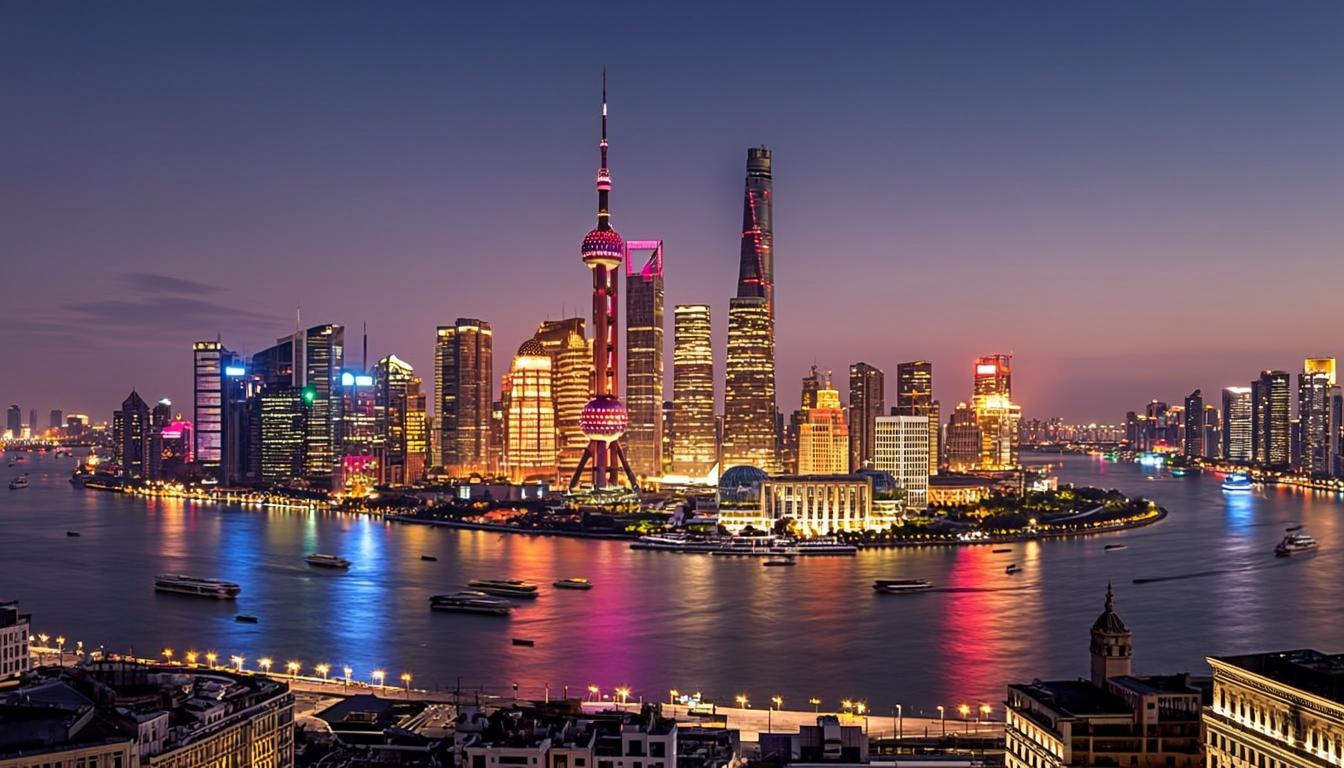
Shanghai is the natural hinge for trips in and out of China: dense flight schedules, a friendly transit policy and quick airport-to-city links. Instead of watching the departures board, turn one to three days of layover into a compressed Shanghai trip. This guide gives you executable routes by layover length, starting with the visa rules and airport transfers.
First, Eligibility: Using the 240-Hour Visa-Free Transit
Passport holders from the 55 transit-eligible countries (the United States, Canada, the United Kingdom, Australia and others) can use the 240-hour (10-day) visa-free transit:
- Conditions: a confirmed onward ticket to a third country or region within the required timeframe, entering through open ports such as Pudong or Hongqiao
- Where you can go: within the approved provinces (Shanghai and its approved surrounding areas), for no more than 240 hours
- How it works: no pre-application — tell your airline at check-in and present your passport and onward ticket at border inspection on arrival
- Stay current: the country list and permitted areas are adjusted from time to time — confirm with the National Immigration Administration and your airline before flying
Airport Transfers: Step One After Landing
- Pudong Airport: the maglev reaches Longyang Road in about 8 minutes (around ¥50 one way, discounted with a same-day air ticket — on-site pricing prevails), then transfer to metro Line 2; Line 2 also runs direct from Pudong to downtown in about an hour
- Hongqiao Airport: Lines 2 and 10 reach the city center directly, and the Hongqiao hub connects to the Beijing–Shanghai high-speed rail — plane-to-train transfers are smoothest here
- Luggage: if your bags are checked through, leave them; if not, use airport or downtown storage services and go into town light
- Payment: metro gates accept the Alipay/WeChat transit QR — no ticket machines, no lines
One-Day Speed Run: the Bund + Yu Garden + Tianzifang
With a single day, capture three signature moods along an old-town → former-French-Concession → riverside-nights route:
- Morning: Yu Garden and the City God Temple — a classical Jiangnan garden plus heritage snacks (Nanxiang soup dumplings); enter before 9:00 to dodge tour groups
- Afternoon: Tianzifang or Xintiandi — shikumen lanes turned creative quarters; coffee and souvenirs in one stop
- Evening: the Bund — the Lujiazui skyline across the river is Shanghai's calling card after dusk; add Waibaidu Bridge or a Huangpu river cruise if time allows
- Swaps: museum lovers can trade Yu Garden for the Shanghai Museum (including its new East Wing); families can switch to Nanjing Road and Madame Tussauds
Two-to-Three-Day Comfort Version: Add Disney or Zhujiajiao
- A Disney day: metro Line 11 runs straight to the resort; buy tickets on official channels with a date picked (weekdays are best), use the app's queue features for headline rides, and don't skip the night fireworks
- A Zhujiajiao half day: Line 17 to Zhujiajiao — canals, Fangsheng Bridge, a rowboat ride and grandma's zongzi. It is far closer than Zhouzhuang or Wuzhen, tailor-made for transit travelers
- A third day: Wukang Road–Anfu Road citywalk, the Shanghai Museum East Wing, Jing'an Temple and West Nanjing Road shopping — mix by interest
- Where to stay: along the People's Square–East Nanjing Road–Jing'an Temple metro corridor; the fewest transfers, the most time saved
Practical Notes and the Trip Home
- Registration: hotel check-in completes your 24-hour accommodation registration automatically; staying with friends requires a police registration within 24 hours
- Return buffer: be at Pudong three hours before international departures; the maglev-plus-metro combo is often more reliable than a taxi in evening traffic
- Cash: QR payments cover virtually everything — ¥100–200 as a buffer is plenty
- Declarations: declare cigarettes, alcohol and excess currency per regulations; check rules for drones and other special items before packing
If You Only Have Six Hours
Short connections can still leave the airport. With about six usable hours, run a compact loop: maglev into town, Line 2 to East Nanjing Road, walk the Bund in daylight, take a coffee break in a riverside café, then cross to Pudong as dusk falls for the skyline switch-on from the Lujiazui side.
- Budget two hours of buffer before you must be back at the airport — the maglev is fast, but security and check-in re-entry are not
- Eat at the riverside or in a mall food court rather than a sit-down restaurant; time is the scarce currency
- Skip Yu Garden on a six-hour plan — it deserves more than a rushed hour, and the Bund delivers more memory per minute
- Luggage: leave bags at the airport left-luggage counter and travel with a daypack only
- A riverside coffee is the cheapest way to sit still for ten minutes — batteries and legs both recharge before the flight home
FAQ
My two flight segments were bought separately — do they count as "onward travel"? The policy requires a confirmed onward ticket to a third country. Separately purchased tickets with a sensible connection and proof of the onward flight are usually accepted, but border inspection has the final say — when in doubt, book through-tickets or confirm with your airline and border authorities in advance.
Can I visit Suzhou or Hangzhou during visa-free transit? The 240-hour scheme permits travel within an approved set of provinces; the Jiangsu–Zhejiang–Shanghai area is typically included. The scope annotated at your entry prevails.
My bags are checked through but I want to go into town — how does that work? If your luggage is tagged to your final destination, simply enter the city on the transit permit without touching your bags. If you must collect them, store them at the airport or downtown and mind your next flight's check-in cutoff.
Are there transfers into town after a late-night landing? Pudong's maglev and metro wind down between 21:00 and 22:00; for late arrivals use the airport night shuttle or ride-hailing. Didi or the official taxi queue at the port both work, and payment is scannable throughout.