Beijing
北京
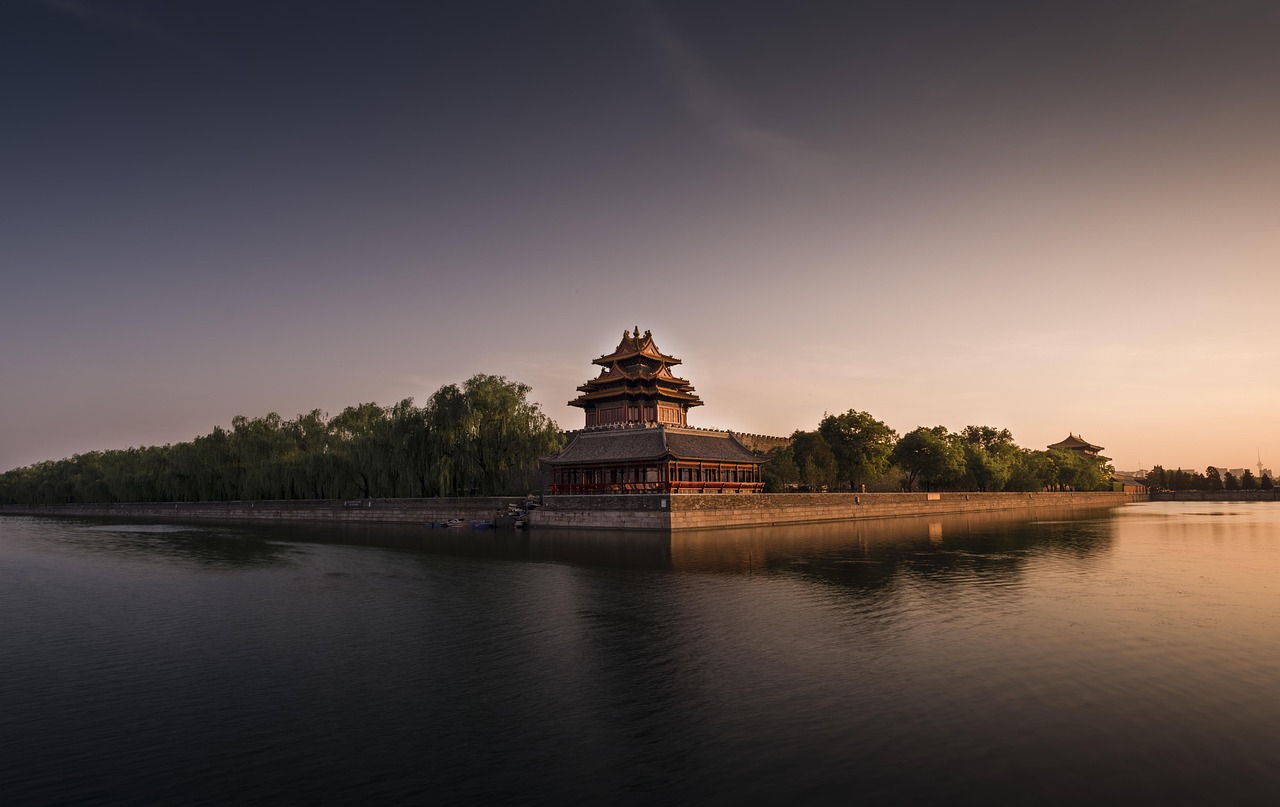
From the royal palaces of the Forbidden City to the Great Wall winding along the mountain ridges, from traditional hutongs and courtyard houses to contemporary urban life, Beijing is a city that can understand China from multiple perspectives including architecture, history, food, and daily culture.
Best season
Spring (April-May) and Autumn (September-October)
Private journeys
2 itinerary options
Location
North China
01 · Overview
About Beijing
Beijing has been an important capital for nearly nine hundred years. From Zhongdu in the Jin Dynasty and Dadu in the Yuan Dynasty to Beijing in the Ming and Qing Dynasties, different eras have left behind layer upon layer of urban patterns and architectural heritage here. Today, the Forbidden City, the Temple of Heaven, the Summer Palace and the Great Wall are still important entrances to understanding Chinese history, and the central axis of Beijing that runs through the north and south of the old city demonstrates the spatial order of traditional Chinese capital planning. Beijing's Central Axis will be included in UNESCO's World Heritage List in 2024.
Beijing’s charm doesn’t end with grand historical landmarks, either. In the lakeside and alleys of Shichahai, you can observe the spatial relationship between the old city streets and traditional residences; in Prince Gong’s Mansion, you can learn about the Qing Dynasty royal palace architecture and gardens; and around the Baita Temple, you can see the other side of the intertwining of historical temples, old city blocks and contemporary urban life.
For travelers who like cultural experiences, Beijing also offers a wealth of options: watch Peking Opera, learn about traditional architecture and garden design, taste Peking duck and local snacks, or take a leisurely walk in the historical districts. Different experiences can be flexibly combined according to travelers' interests, length of stay and physical strength.
When visiting Beijing for the first time, you can start with representative landmarks such as the Forbidden City, the Great Wall, and the Temple of Heaven; if you have more time, you can add the Summer Palace, Prince Gong's Mansion, alley walks, museums, and traditional operas, making this city no longer just a collection of historical attractions, but a window for understanding Chinese culture and contemporary life.
Don't miss
- 1. Mutianyu Great Wall: Climb the Great Wall along the ridge and feel the scale of ancient defense projects among watchtowers, city walls and mountainous landscapes.
- 2. Forbidden City (Forbidden City): Explore the royal palaces of the Ming and Qing Dynasties along the traditional central axis, and learn about palace architecture, rituals and imperial space.
- 3. Beijing’s Central Axis: From palaces, sacrificial buildings to bell and drum towers, understand how traditional capitals organize space through architecture and urban layout.
- 4. Hutongs and Siheyuan: Walk into the streets and alleys of the old city and learn about traditional residences, courtyard layouts and daily life in Beijing.
- 5. Beijing food and traditional cultural experience: From roast duck, fried noodles to Peking opera performances, choose a more in-depth urban cultural experience based on personal interests.
02 · Top sights
Must-see attractions
Forbidden City (Forbidden City)
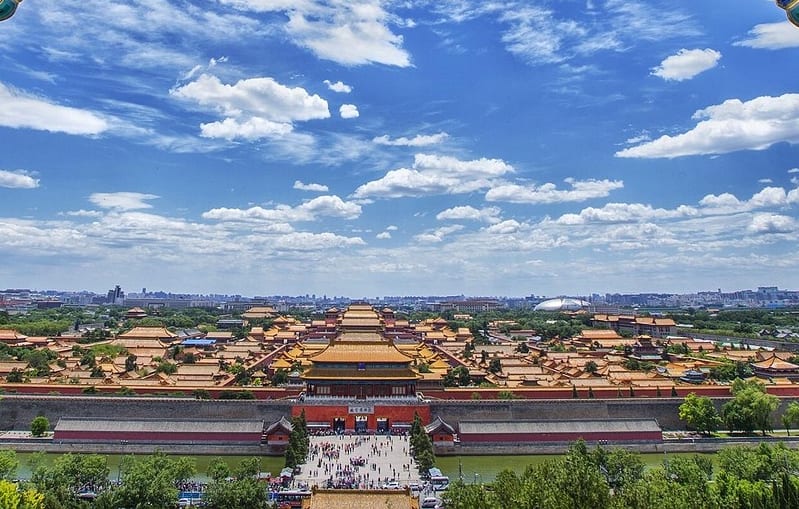
The Forbidden City was built in 1420 and was the royal palace of the Ming and Qing dynasties. A total of 24 emperors from the two dynasties ruled here. The palace complex is spread out along the north-south central axis, reflecting the hierarchical order and etiquette concepts of traditional Chinese palace architecture. The Forbidden City was included in the World Heritage List in 1987.
After entering through the Meridian Gate, you can learn about the royal ceremonial space along the main buildings such as the Hall of Supreme Harmony, the Hall of Zhonghe, and the Hall of Baohe, and then visit the relevant exhibition halls according to the opening conditions to learn about palace life, art and history. For first-time visitors, you can choose the classic route focusing on the main palaces; for those interested in architecture, history or art, you can arrange a longer and in-depth visit.
It is recommended to reserve about 3-4 hours, and longer time can be arranged for in-depth visits. The Forbidden City implements real-name reservation management. The specific opening dates, admission periods and reservation rules should be subject to official channels. After the visit, you can connect to Jingshan Park or other surrounding activities according to the exit location and opening hours.
Mutianyu Great Wall
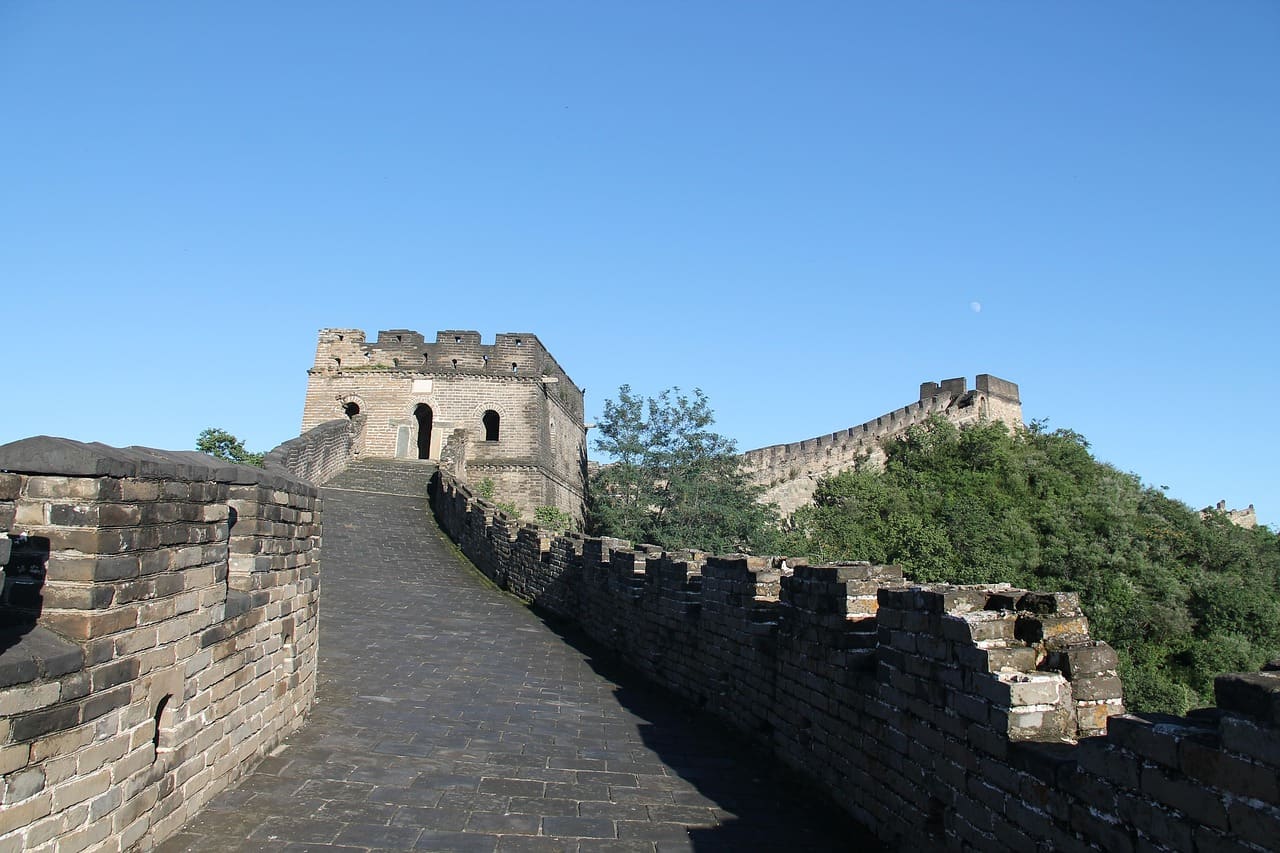
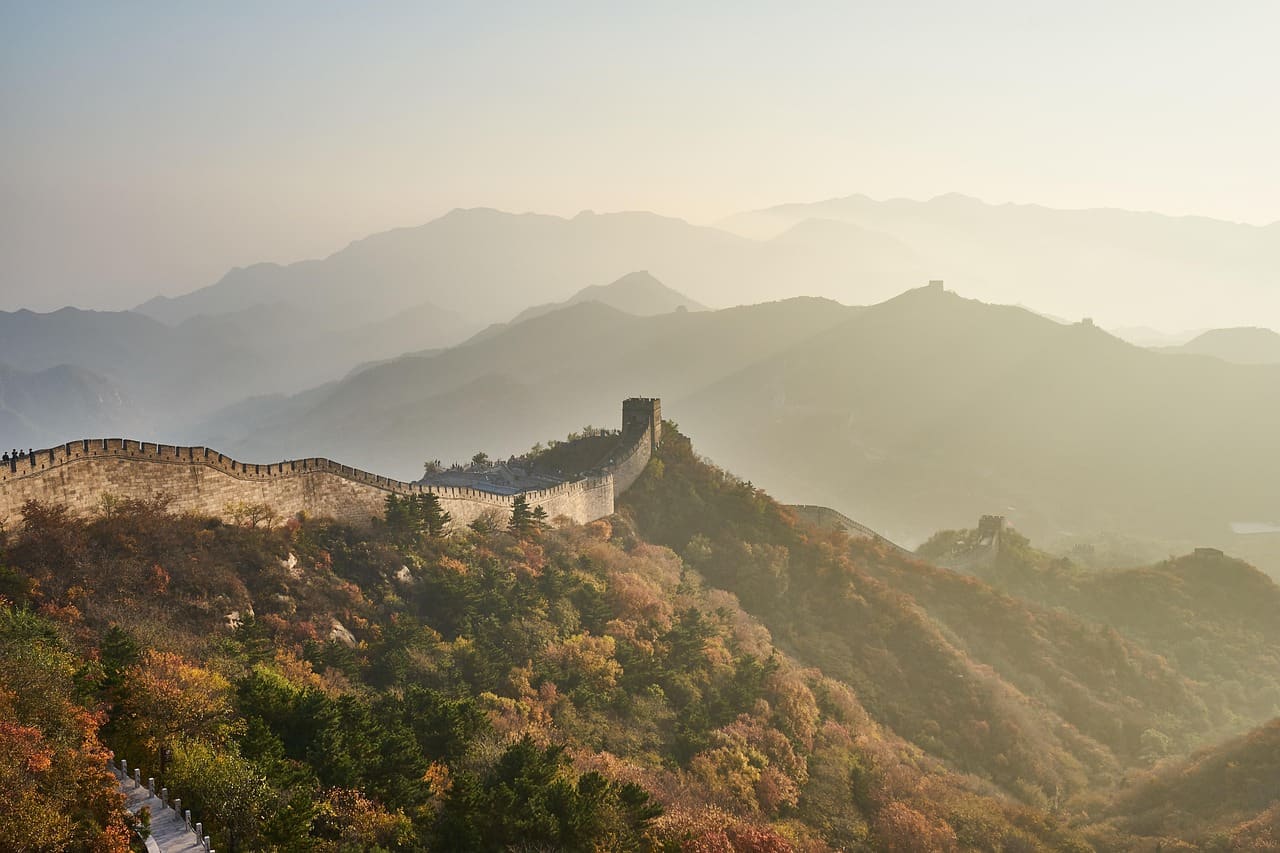
Mutianyu Great Wall is located in Huairou District, Beijing. It is one of the representative Great Wall tourist areas around Beijing. The existing Great Wall is mainly the remains of the Ming Dynasty's construction and reconstruction. The city wall extends along the undulating ridges, and the watch towers are intertwined with the mountainous landscape. It is suitable for travelers who want to experience the history and natural scenery of the Great Wall. Mutianyu was included in the World Heritage List along with the Great Wall in 1987.
Visitors can choose to walk to the city according to their physical strength and interests, or use auxiliary facilities such as cable cars when the facilities are open. Downhill experiences such as slides may be available during certain periods, but operating conditions, applicable conditions and ticket types should be confirmed in advance.
From downtown Beijing, you usually need to allow about 1.5–2 hours or more for a one-way drive, depending on departure location and traffic conditions. It is recommended to reserve approximately 2–4 hours for the Great Wall tour and calculate round-trip transportation separately. The Great Wall involves steps, slopes and uneven roads. The tour distance should be adjusted according to the guest's physical strength, weather and open routes.
For tourists who want to compare different views of the Great Wall, they can also consider different locations such as Badaling, Juyongguan or Huanghuacheng Water Great Wall. Each section differs in terms of transportation, scenery, hiking intensity and facilities, so there is no need to regard one section as the only choice for all tourists.
Temple of Heaven
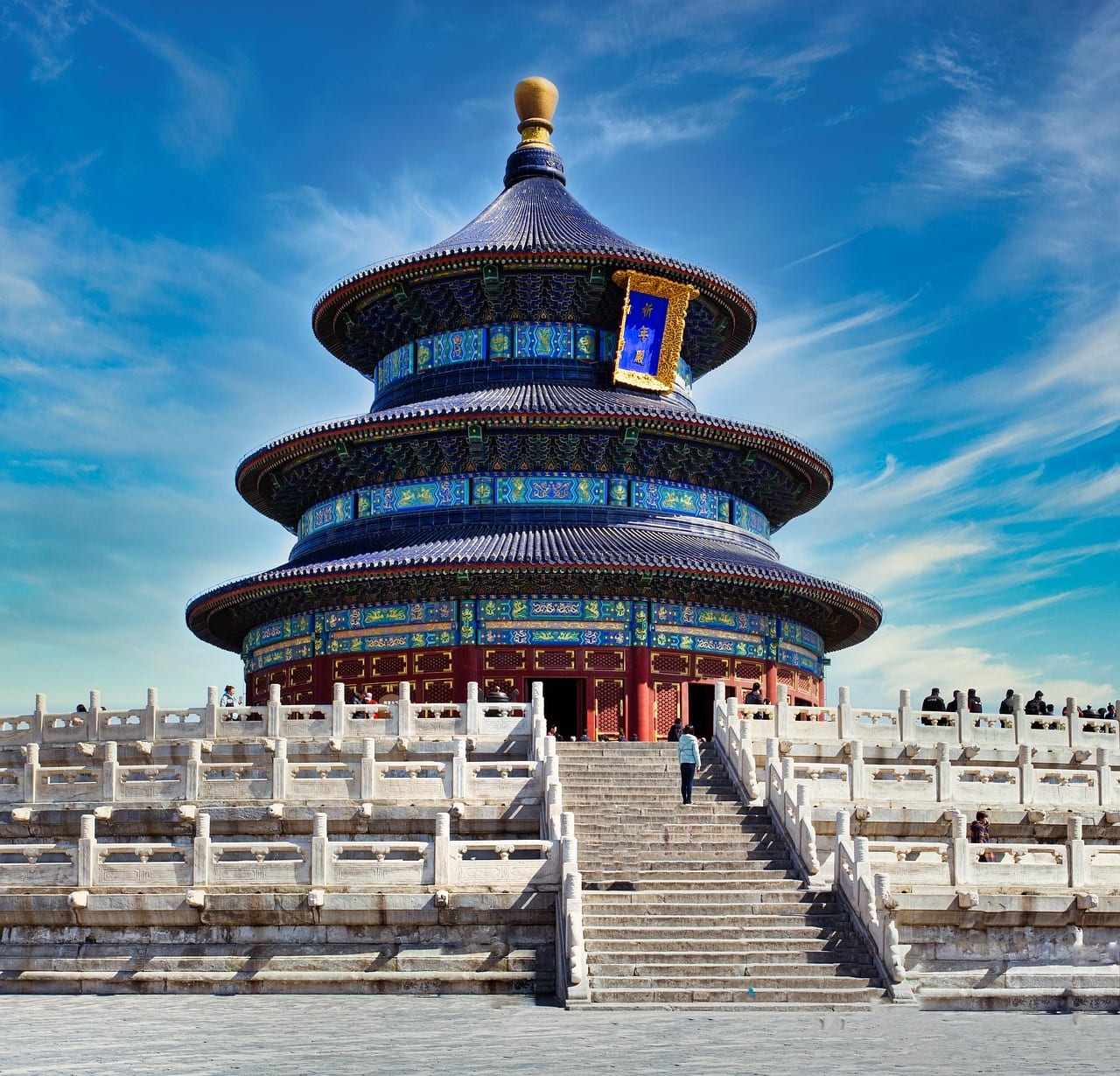
The Temple of Heaven was a place where emperors of the Ming and Qing dynasties held important rituals such as worshiping heaven and praying for a good harvest. It is also an important legacy for understanding China’s traditional view of heaven and earth and the royal sacrificial system. The Hall of Prayer for Good Harvests is famous for its triple eaves, circular body and blue glazed tile roof. Its architectural structure and spatial proportions demonstrate traditional Chinese construction techniques. The Temple of Heaven was included in the World Heritage List in 1998.
When visiting, you can start from the Hall of Prayer for Good Harvests and go along the Danbi Bridge to the Imperial Vault and the Circular Mound Altar to understand the relationship between the architectural layout and sacrificial rituals. The echo gallery outside the Imperial Vault is also worth observing, but the actual acoustic effect will be affected by the on-site environment and the number of tourists.
Temple of Heaven Park is also a window into daily life in Beijing. When walking in the open area in the early morning, you may see local residents doing morning exercises, Tai Chi or other leisure activities. When visiting, residents’ personal space should be respected and no close-up portraits taken without consent.
It is recommended to allow about 2–3 hours. It should be noted that the opening hours of the park are not exactly the same as those of major architectural attractions. Some attractions require separate ticket sales or reservations, which should be verified based on the travel date.
summer palace
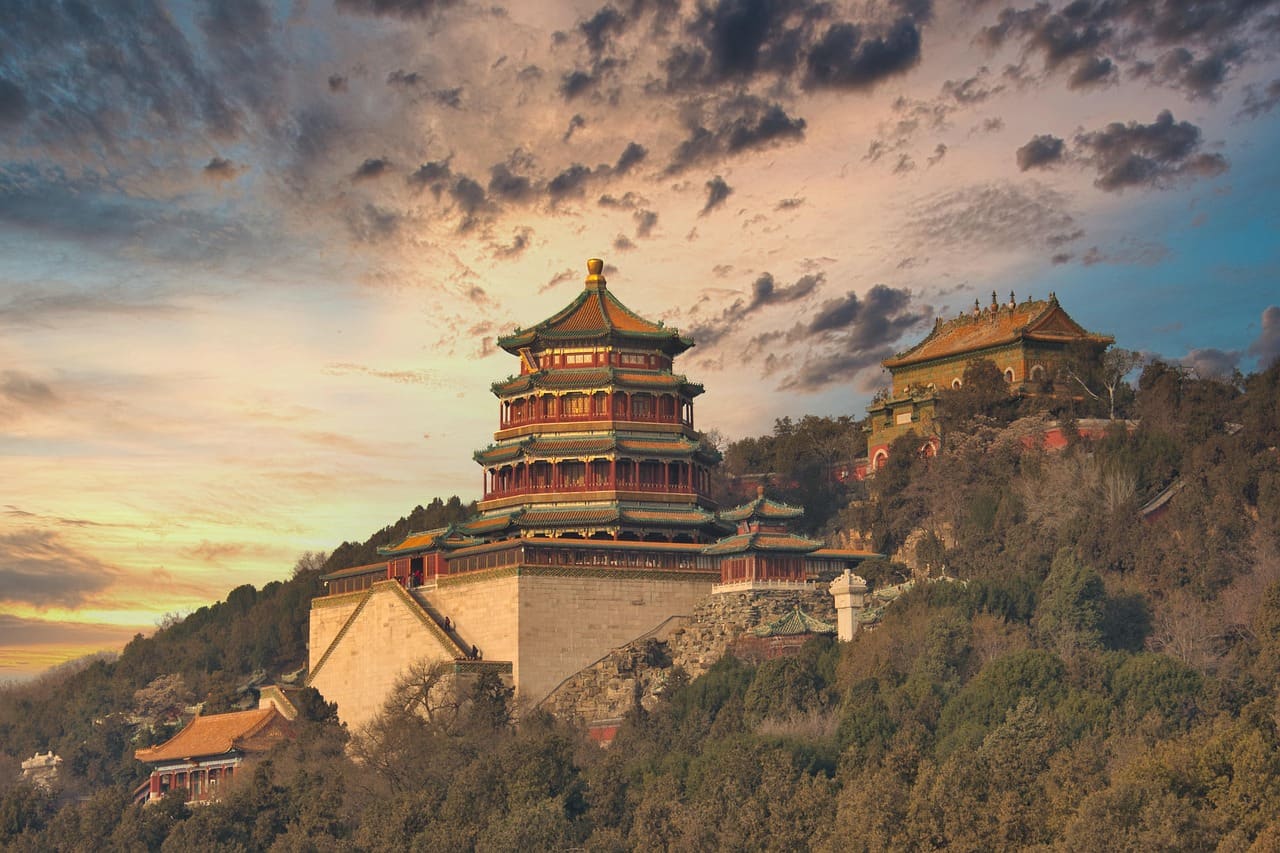
The Summer Palace is the representative of the royal gardens of the Qing Dynasty. It consists of Kunming Lake, Wanshou Mountain and palaces, corridors, pavilions and bridges distributed along the lake to form a richly-layered garden landscape. It not only shows the aesthetics of royal gardens, but also embodies the design concept of combining natural landscapes and artificial buildings in traditional Chinese gardening. The Summer Palace was included in the World Heritage List in 1998.
When visiting for the first time, you can start from the main palace area, and then admire traditional color paintings and lake and mountain landscapes along the corridor; if you prefer a relaxed pace, you can also focus on Kunming Lakeside, garden walking and photography. The scenery of the Seventeen-Arch Bridge and the lake area deserves attention, but sunset does not have to be a fixed arrangement. It should be decided according to the season, weather and park opening hours.
It is recommended to allow about 3–4 hours. The Summer Palace is relatively large, so tour routes and walking distances should be adjusted based on guests' physical strength, interests, and whether they use transportation within the park.
Tiananmen Square
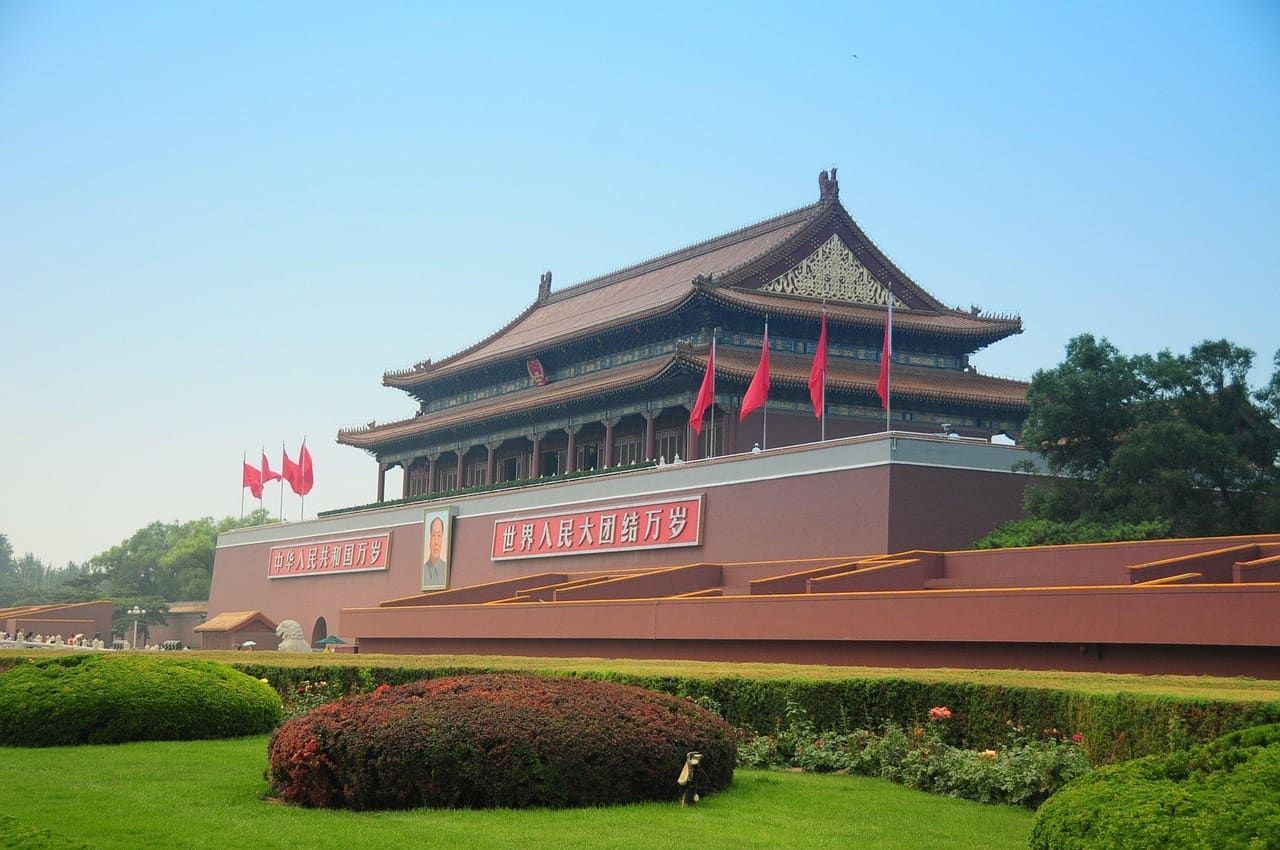
Tiananmen Square is located at an important location on the traditional central axis of Beijing. It is surrounded by important landmarks such as the Tiananmen Gate Tower, the Monument to the People's Heroes, the Great Hall of the People, and the National Museum of China. This is not only an urban space in Beijing, but also an important place to understand the national symbols and public history of modern China.
Visitors can choose to visit the square during the day and learn about the surrounding buildings, or plan in advance to watch the flag-raising ceremony. The flag-raising time varies with the day, and the viewing ceremony usually requires arriving earlier and is carried out according to the appointment time and on-site security arrangements.
Tiananmen Square implements real-name reservations. Foreign tourists should confirm the official reservation channels, required documents, reservation dates and admission rules in advance. If you plan to enter the National Museum of China, Chairman Mao Memorial Hall or other surrounding venues, you should also verify their reservation and opening requirements respectively, and do not default to entering all venues with one reservation.
Jingshan Park
Jingshan Park is located on the north side of the Forbidden City. It is a representative viewing spot for observing the Forbidden City complex and Beijing's traditional central axis. Climbing to the Wanchun Pavilion, you can overlook the golden roof of the Forbidden City, the palace courtyard and the urban space from a higher position. Different from visiting inside the Forbidden City, this place can help tourists understand the layout of the Forbidden City and the planning concepts of traditional capitals as a whole.
If you still have time after visiting the Forbidden City, you can do Jingshan as a follow-up walk. In clear weather, it is suitable to observe the architectural layout in the morning or afternoon; if you want to take pictures of the sunset, you should adjust your itinerary based on the sunset time of the day, the closure schedule of Jingshan Park and the weather conditions.
It is recommended to allow approximately 45–90 minutes, taking into account the steps and walking distance required for the climb. Jingshan is suitable for combination with the Forbidden City, but whether to arrange it should be decided based on the guest's physical strength, visit end time and interest.
Prince Gong's Mansion
Prince Gong's Mansion is located near Shichahai. It is one of the most complete and representative Qing Dynasty palace buildings in Beijing. The mansion was originally the residence of Heshen, a powerful official in the Qing Dynasty, and later became the residence of Prince Gong Yixin. The building complex consists of residential courtyards and rear gardens, which can show the living space, architectural layout and garden aesthetics of the Qing Dynasty palace.
Compared with the Forbidden City, Prince Gong's Mansion provides another perspective on understanding Qing Dynasty society: from the grand royal palace to the palace residences and gardens, observing the courtyard organization, hall layout and living space.
It is recommended to allow about 1.5–2.5 hours. It can be combined with a stroll in Shichahai Hutong to form a half-day cultural route, suitable for tourists interested in historical buildings, traditional residences and gardens. Before visiting, you should confirm the opening hours, reservation requirements and visitable areas on the day.
Baita Temple and Old Town District
The official name of Baita Temple is Miaoying Temple. The white pagoda in the temple is a recognizable historical landmark in the old city of Beijing. The White Pagoda was built during the Yuan Dynasty and is an important entrance to understanding Beijing and Buddhist architectural art in the Yuan Dynasty. The surrounding Baitasi area retains the traditional hutong texture. In recent years, updated areas that combine historical neighborhoods, cultural spaces, and contemporary businesses have also appeared.
This area is suitable for visitors who don’t want to have large attractions scheduled throughout the day. You can focus on visiting the White Pagoda Temple, walking in the streets and observing buildings, to understand how the old city accommodates contemporary life while preserving its historical features.
It is recommended to allow about 1.5–2.5 hours, depending on whether you are entering the temple, visiting an exhibition, or stopping for a meal. Temple opening hours and temporary activity arrangements may change, so please verify the information on the day before departure.
Bell Tower and Drum Tower
The Bell Tower and Drum Tower are located at the northern end of Beijing's traditional central axis. They are representative buildings for understanding ancient urban management and public life. Historically, the Bell and Drum Towers were responsible for the city's time reporting function and played an important role in daily life in traditional capitals. They are also important landmarks that form part of the World Heritage along Beijing's Central Axis.
Visitors can take a walking tour of the surrounding alleys and Shichahai area to observe the old city of Beijing from the appearance of the buildings, urban streets and surrounding living spaces. Whether to go upstairs for a visit should be decided based on the opening arrangements, the conditions of the steps and the physical strength of the guests.
It is recommended to reserve about 1-2 hours; if combined with Shichahai or other hutong experiences, a more complete old city walking route can be arranged.
03 · Culture
Culture & customs
Peking Opera
Peking Opera is one of the most representative traditional opera forms in China, integrating singing, dialogue, body movements, martial arts and stylized performances. The costumes, facial makeup, movements and music on the stage together help the audience identify the character's identity, personality and dramatic situation.
Watching Peking Opera for the first time doesn’t have to start with a complete understanding of the story. You can first observe how the actors express the emotions of the characters through their eyes, footwork, gestures and singing, and then gradually understand the differences between the professions of sheng, dan, jing, ugly and so on.
Some theaters in Beijing will arrange selected performances or English subtitles for overseas tourists, but the specific plays, performances, subtitle languages and performance duration are not uniform. Please verify actual arrangements on the day before booking. For tourists who are exposed to Chinese opera for the first time, they can give priority to performances of moderate duration and with background explanations or subtitles.
Hutong and Siheyuan
Hutongs are an important entrance to understanding traditional urban life in Beijing. Streets and alleys connect residences, courtyards, shops and public spaces of different eras; courtyards present part of traditional family life and architectural order through gates, courtyards and house layouts.
The area around Shichahai is suitable for combining alley walks with lakeside landscapes, while Nanluogu Alley is more suitable for observing the intersection of historical neighborhoods and contemporary commercial culture. If you want to understand the internal layout of traditional residences, you can visit courtyards or related cultural venues with clear reception arrangements after confirming the opening conditions in advance.
Hutongs are not just a backdrop for tourists to take photos, many streets and alleys are still living spaces for local residents. When visiting on foot, you should respect private residences and the daily lives of residents. Do not enter the courtyard gate without permission, do not block traffic in narrow lanes for a long time, and do not photograph residents without consent.
Old Beijing flavor
When it comes to Beijing cuisine, you can start with roast duck, and then gradually learn about pasta, traditional snacks and copper pot-shabu-shabu mutton. Peking duck uses roasting techniques, duck-slicing methods, and combinations with pancakes, shredded green onions, sweet noodle sauce, etc. to create a unique dining experience; different restaurants have their own characteristics in roasting methods, tastes, and dining environments.
Zhajiang Noodles can help tourists understand the noodle tradition in Beijing’s daily diet. Shabu-shabu mutton in a copper pot is suitable for experiencing in the cooler season, and the specific choice should be based on the dietary preferences of your travellers.
If you are interested in local food, you can also try traditional snacks such as Douzhier and Jiaohuan. Their flavors are relatively bright, so they are suitable for tasting with an exploratory attitude. You don’t have to regard each one as a must-try item.
When arranging meals for overseas guests, you should confirm dietary restrictions, allergy information, vegetarian requirements, restaurant reservations and payment methods in advance. For tourists who want to have a deeper understanding of food culture, a meal can become the entrance to understanding Beijing life through ingredient introduction, menu explanation or style comparison of different restaurants.
Beijing Central Axis and Traditional Capital Planning
The central axis of Beijing is an important clue to understanding the historical urban pattern of Beijing. It was first built in the Yuan Dynasty. After continuous development during the Ming and Qing Dynasties, it formed a historical building complex composed of palaces, sacrificial buildings, urban management facilities, ceremonial and public buildings, etc. In 2024, Beijing's central axis will be included in UNESCO's World Heritage List.
For tourists who are interested in architecture, history and urban planning, they can connect and observe the Forbidden City, Jingshan, Bell and Drum Towers and other landmarks related to the central axis. The point is not just to visit individual buildings, but to understand how they together constitute the spatial order of a traditional capital city.
This theme is especially suitable for tourists who have more than two days and want to understand Beijing in depth. Since the central axis spans multiple areas, it is not recommended to forcibly visit all the locations in one day in order to walk the entire axis. You can choose some of the highlights based on your interests.
04 · Experiences
Signature experiences
Shichahai Hutong Stroll and Rickshaw Experience
The lakes, alleys and traditional streets around Shichahai provide a relatively easy way to understand the space of Beijing’s old city. Visitors can choose to walk or take a rickshaw along designated streets and lanes once services are available and routes and fares are confirmed.
On the way, you can observe the gatehouse, screen wall and street layout of traditional courtyards, and understand the role of these architectural elements in traditional residences. If you want to get a more in-depth historical explanation, you should confirm in advance whether you can arrange explanations with corresponding language skills, instead of defaulting to the fact that the rickshaw master must provide foreign language services.
The Yinding Bridge area can be used as a stopping point for a walk in the lake area. Whether to arrange sunset viewing should be decided based on the weather, season, opening conditions and the overall itinerary of the day.
It is recommended to allow about 1–2 hours. Before departure, you should confirm the specific route, ride time, charging method, pick-up and drop-off locations and service content. The rickshaw is not a required option, visitors can also choose a purely walking route.
Peking Opera Night
Peking Opera can be an introductory experience to understand Beijing’s traditional stage art. For tourists who are exposed to Chinese opera for the first time, a selected excerpt can help them understand singing, body posture, costumes and stylized movements, and experience the combination of traditional music and performance.
Performances with English subtitles or other auxiliary explanations can be selected based on travel dates and guests' language needs. Some theaters may arrange actor makeup, backstage introductions or other additional experiences, but these services are not provided for all performances and should be confirmed individually when booking.
It is recommended to reserve approximately 1–2 hours for the performance, taking into account transportation, admission time, and post-performance dinner arrangements. For tourists who want to learn more about Peking Opera, a brief background introduction can be added before the performance; for tourists who just want to experience traditional stage art, they can choose a shorter and more focused performance.
The specific theater, repertoire, performance time, subtitle language, seats and additional services are subject to the actual booking arrangements on the day.
Qianmen and Dashilar Street Stroll
Qianmen and Dashilan are representative neighborhoods for understanding Beijing’s commercial history and urban life. There are both historical buildings and traditional shops here, as well as shops, restaurants and cultural consumption spaces for contemporary tourists. It can show how Beijing’s old city continues to change between historical continuation and modern commerce.
When strolling, you can enter the Dashilar area from Qianmen Street, observe the neighborhood buildings, shop signs, and traditional commercial culture, and choose time-honored restaurants, specialty restaurants, or suitable cultural venues based on your interests. For tourists who want to understand the history of business, they can explain the development of time-honored brands and changes in neighborhoods, rather than just checking in stores one by one.
If you plan a night tour, you should confirm the business hours of specific stores, neighborhood activities and traffic conditions on the day in advance. Some stores may close earlier, so if visitors wish to enter a specific store, it is recommended to prioritize visiting during the day or evening, and supplement this with a nighttime stroll.
It is recommended to allow about 1.5–2.5 hours. If formal dining experiences, shopping or topical explanations are added, the time should be extended accordingly.
Prince Gong’s Mansion and Shichahai Cultural Walk
This experience is suitable for tourists who want to learn more about the palace architecture of the Qing Dynasty and life in Beijing's old city. You can first visit Prince Gong's Mansion and observe the spatial layout of the palace's residences, courtyards and gardens, and then walk around Shichahai to feel the connection between historical buildings and contemporary street life.
If guests prefer a relaxed pace, they can reduce the indoor tour time and focus on the streets and lakeside; if they are interested in architectural history, they can invest more time in the mansion tour.
It is recommended to reserve half a day and adjust the order according to the opening hours of Prince Kung's Mansion, reservation conditions and guests' interests. Internal tours of the courtyard, professional explanations or other additional services need to be confirmed based on actual available resources.
Baita Temple and traditional street stroll
Baita Temple and surrounding neighborhoods are suitable for tourists who want to avoid continuous large-scale attractions and gain a deeper understanding of Beijing's old city. You can conduct walking observations around the white pagoda of the temple, traditional streets and architectural details, and learn about the historical relics since the Yuan Dynasty and the continuation of the historical district in contemporary urban life.
If there are open exhibitions, cultural activities or public projects on that day, you can join them according to the actual situation; temporary activities should not be written as fixed experiences throughout the year.
It is recommended to allow about 1.5–2.5 hours. Before departure, confirm the opening hours of the temple, whether you need to purchase tickets, and whether surrounding activities are actually held.
Beijing dining experience
Dining experiences in Beijing can be designed based on guests’ interests, rather than just a roast duck meal. Visitors who visit for the first time can choose roast duck as a representative dining experience; visitors who are interested in daily diet can try noodles such as fried noodles; when the weather is cooler, they can also consider mutton-shabu-shabu in a copper pot.
If guests are interested in traditional snacks, they can further try local flavors such as douzhier and jiaohuan, but they do not need to be required items. Meal arrangements should take into account dietary restrictions, allergy information, meal times, restaurant reservations and payment methods.
For tourists who want to have a deeper understanding of Beijing's food culture, they can understand local food traditions through restaurant selection, menu explanations and comparisons of different cooking styles, rather than simply completing a food check-in list.
05 · Tours
Journeys featuring Beijing

06 · Guides
Travel guides
Guide
When Is the Best Time to Visit China? Best Travel Times by Region, Weather, Visas, and Holiday Pitfall Guide
There is no single best month for traveling in China: spring and autumn suit classic itineraries in Beijing,…
Read the guide →
Guide
How to choose the Great Wall in Beijing? Comparison of the four sections of the Great Wall at Mutianyu, Badaling, Jinshanling and Simatai
Comparison of the four Great Walls in Beijing: Badaling is classic and convenient, Mutianyu has pleasant…
Read the guide →
Ready to explore Beijing with a private guide?
Tell us your dates and travel style — our licensed local team responds daily 9:00–20:00 (China time). Once your itinerary is confirmed, your itemized CNY quote follows within 24 hours.
- Itemized quote within 24h of itinerary confirmation
- No payment until your itinerary is confirmed
How tailor-made works
- 1
Tell us your plan
Dates, group size and must-sees — one short form or a WhatsApp message.
- 2
We design the route
A licensed consultant drafts your day-by-day plan — unlimited free revisions until it fits.
- 3
Tweak, confirm, go
Within 24 hours of confirming your itinerary you receive an itemized quote — you pay only after approving it.