Lhasa, China
Tibet PlateauBest season · April–October

Lhasa

拉萨

Best season

April–October

Region

Tibet Plateau

Private journeys

3 itinerary options

Coordinates

29.65° N, 91.17° E

About Lhasa拉萨

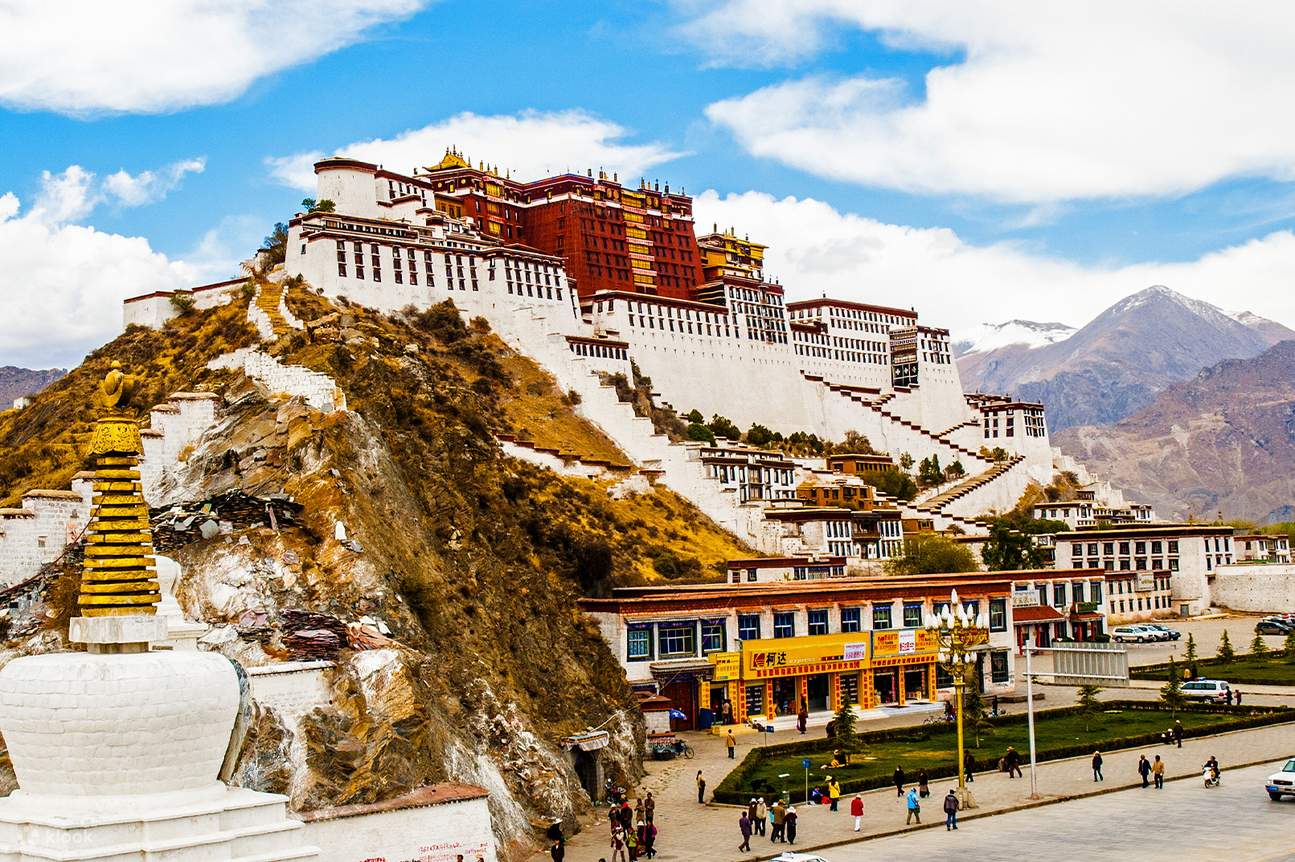
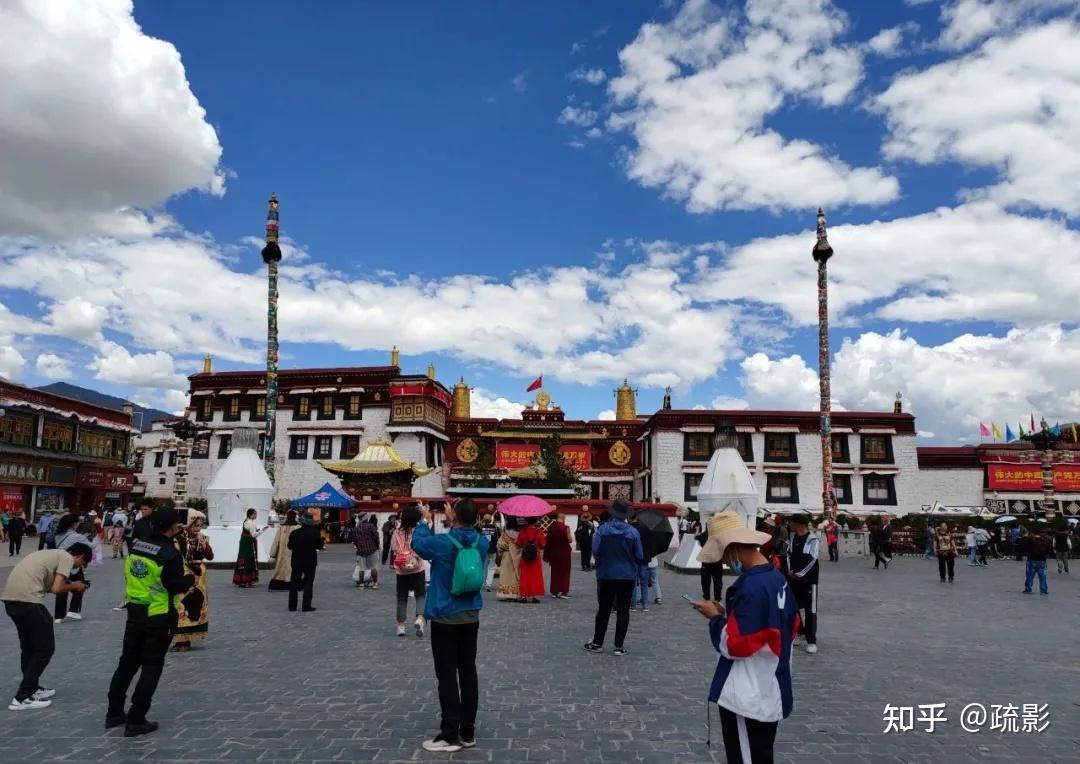
Perched at 3,650 meters on the plateau, Lhasa boasts some of the clearest light on Earth. Its 'center' is literally spiritual: the Potala Palace overlooking the city, the 7th-century Jokhang Temple at its heart, and the Barkhor Kora circling them clockwise all day long.

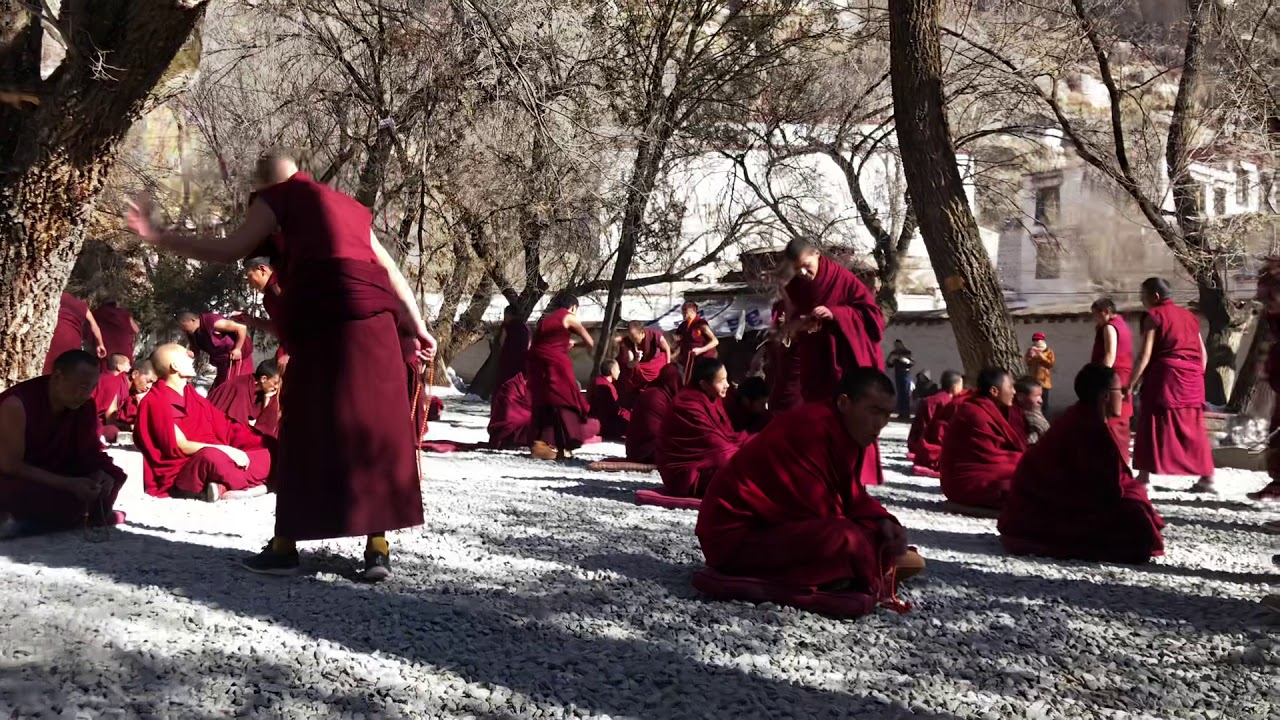
This city is made for slow travel: sit in a sweet tea house, circle the Lingkora, watch the light move across the white walls of the Potala Palace from across the park; most afternoons, the monk debates at Sera Monastery are open to visitors.

Take the first two days seriously at altitude: slow your pace, drink plenty of water, and let the plateau set your rhythm. A day trip to Namtso Lake and the Lhasa River Valley can fill the rest of your week.

Must-see attractions必游景点

Potala Palace — Lhasa, China1

Potala Palace

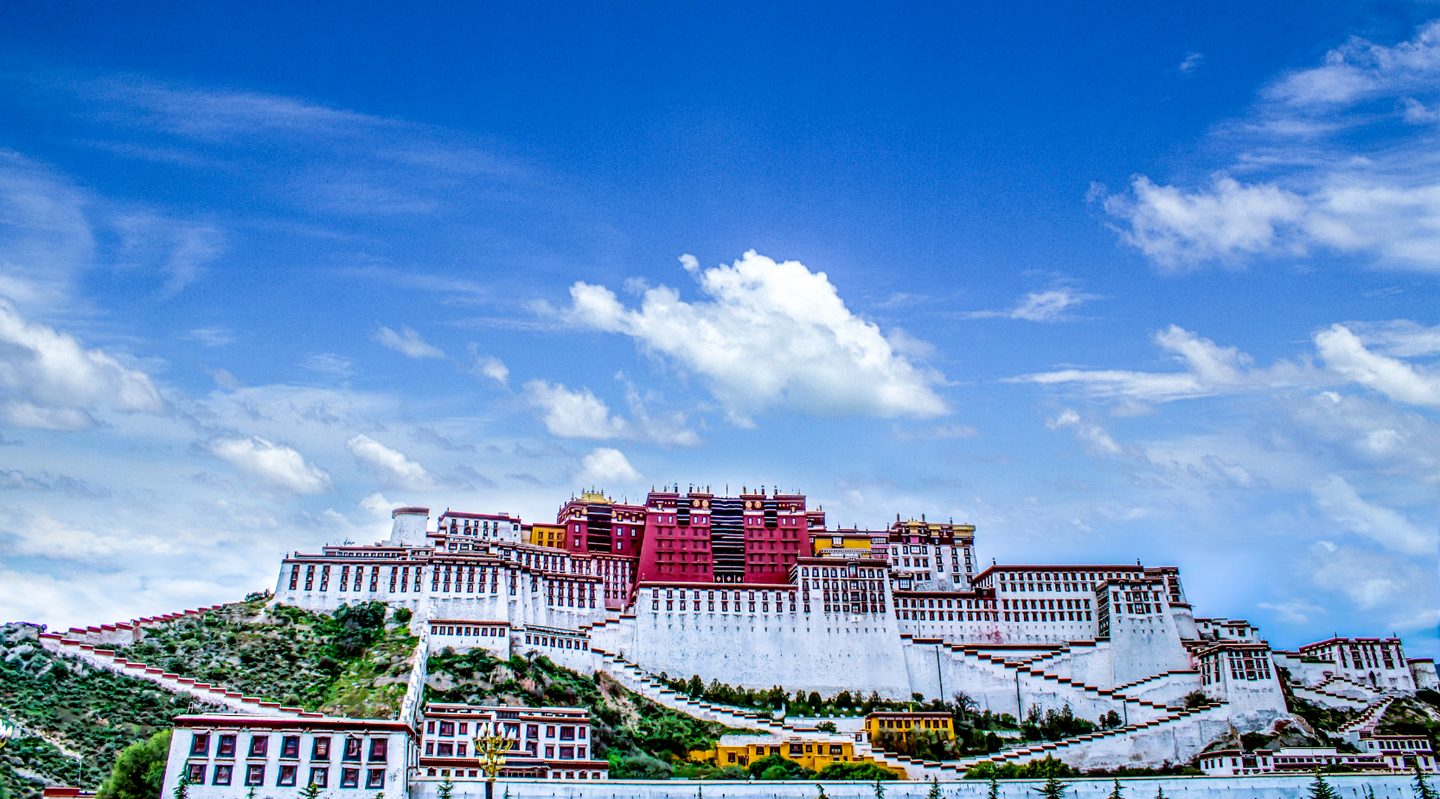
Rising above Red Mountain at an altitude of about 3,700 meters—the Potala Palace, first dating back to the 7th century under Songtsen Gampo and largely rebuilt in the 17th century, is one of the world's highest and grandest palace complexes, inscribed as a World Heritage Site in 1994. Visits require advance booking with daily visitor limits: please book tickets ahead and ascend slowly along the pilgrim's path.
Jokhang Temple — Lhasa, China2

Jokhang Temple

The spiritual heart of Lhasa, built in 647, it houses the 12-year-old Shakyamuni statue brought to Tibet by Princess Wencheng—a Tibetan proverb says, 'The Jokhang Temple came before the city of Lhasa.' The light and shadow of butter lamps inside the hall are unforgettable; inscribed as a World Heritage Site along with the Potala Palace in 2000.

Barkhor Street — Lhasa, China3

Barkhor Street

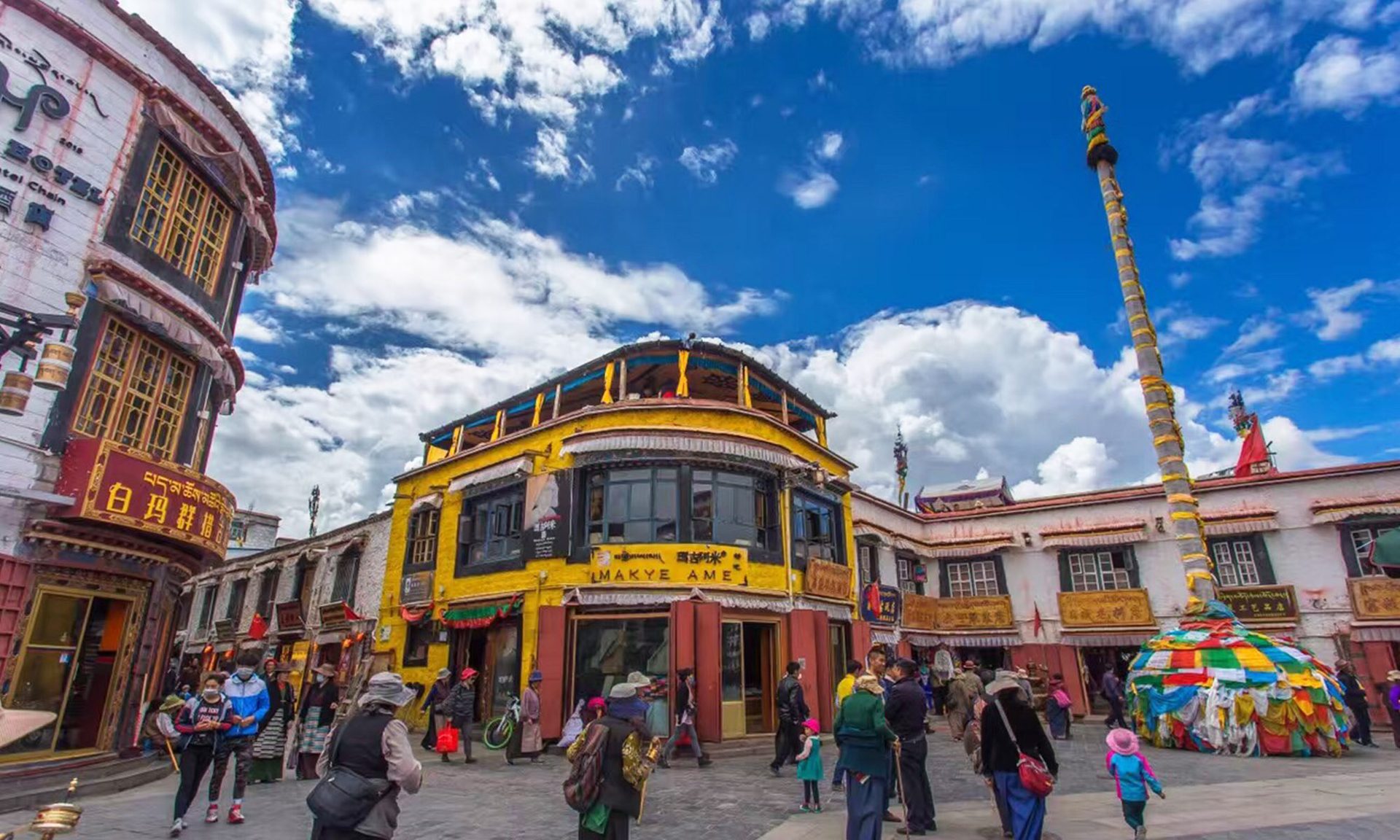
Barkhor is where market and meditation merge: the ancient circumambulation path circling the Jokhang, where pilgrims hold prayer wheels and walk clockwise. Quietly join the flow of people heading in the same direction, then browse stalls for thangkas, spices, and singing bowls—don't miss the little yellow house 'Migyi Ama' connected to the legend of the Sixth Dalai Lama.

Sera Monastery — Lhasa, China4

Sera Monastery

One of Tibet's largest 'monastic universities,' founded in 1419, famous for its debate courtyard: most afternoons, maroon-robed monks face off in pairs—clapping, questioning, shouting—to sharpen their understanding of doctrine. Visitors can watch from the colonnade; walk around the monastery to see the murals first before entering.

Namtso Lake — Lhasa, China5

Namtso Lake

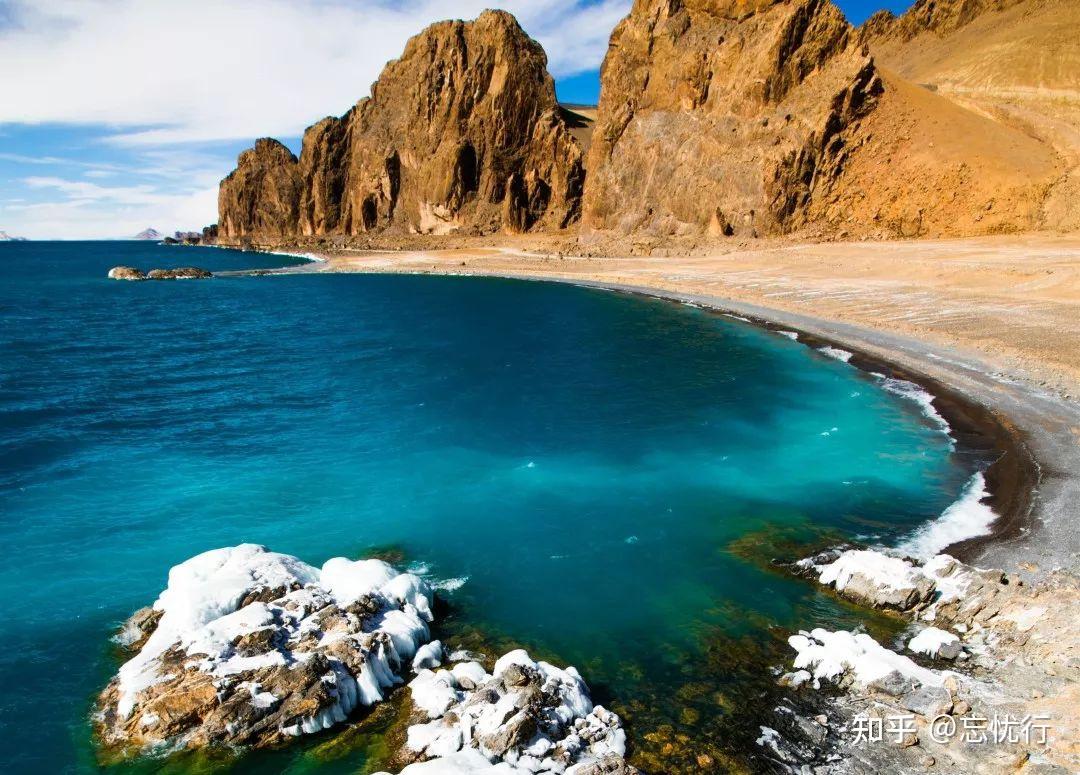
At 4,718 meters, 'Heavenly Lake' Namtso is one of Tibet's three great sacred lakes, with turquoise waters set against the snow line of the Nyainqêntanglha Mountains. Prayer flags at Zhashi Peninsula and grazing herds on the shore form picture-perfect scenes. A day trip from Lhasa is a full-day high-altitude journey; bring plenty of warm layers even in summer.

Culture & customs文化与风俗

Lhasa culture — Circumambulation and Pilgrimage
  • Circumambulation and Pilgrimage

    Around the Jokhang, circumambulation is daily life: devotees walk clockwise around the temple, turning prayer wheels; some pilgrims measure their entire journey by prostrations, taking months to arrive. Please walk quietly in the same direction, treating it as it is—others' devotion, as you pass by.

  • Sweet Tea House Culture

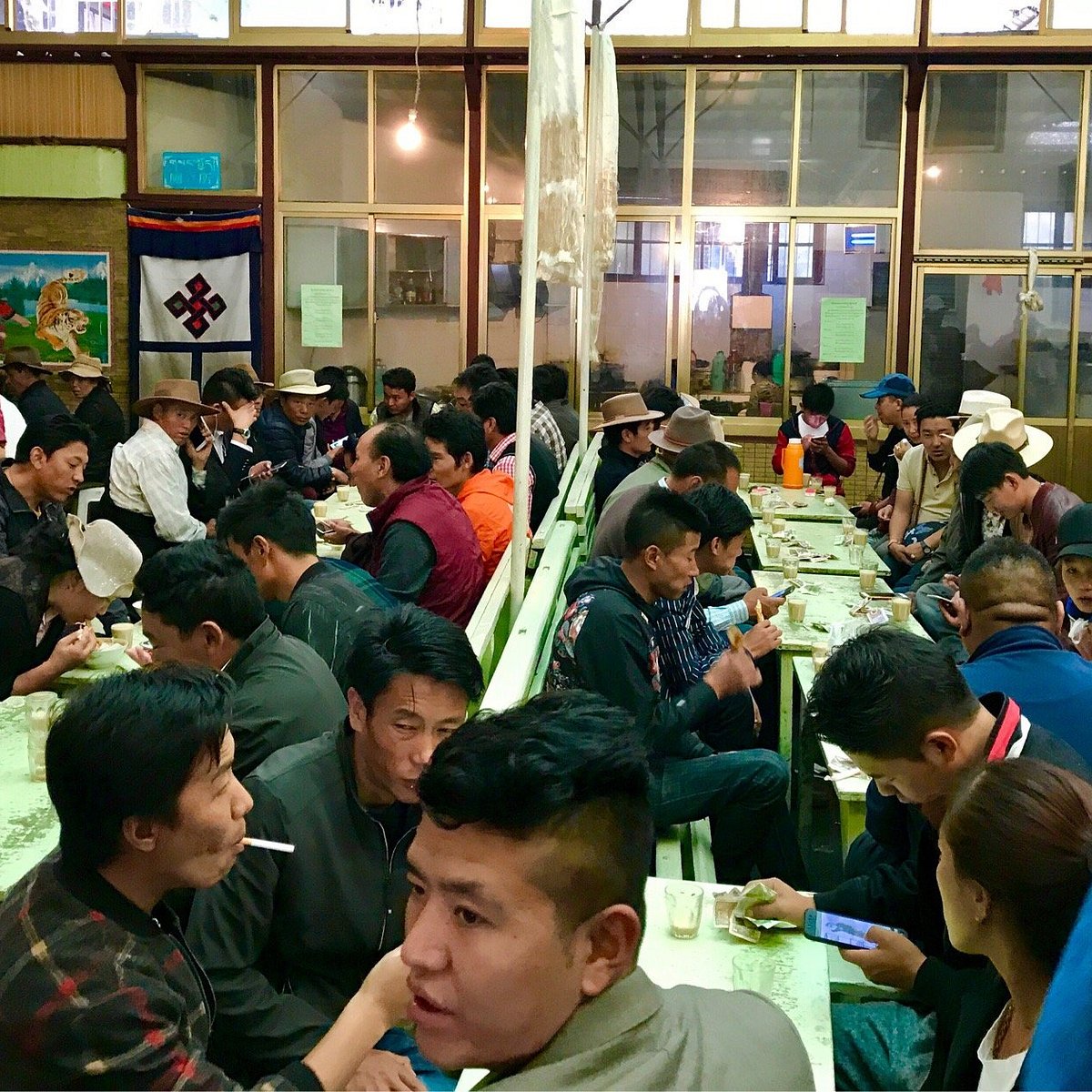
    The living room of Lhasa is the sweet tea house: black tea with milk and sugar, poured from dented thermoses into small glasses, with bills paid by counting bottle caps on the table. The standard breakfast is a bowl of Tibetan noodles with one—or three—sweet teas. Sit at a shared table, and you're at home.

  • Highland Festivals

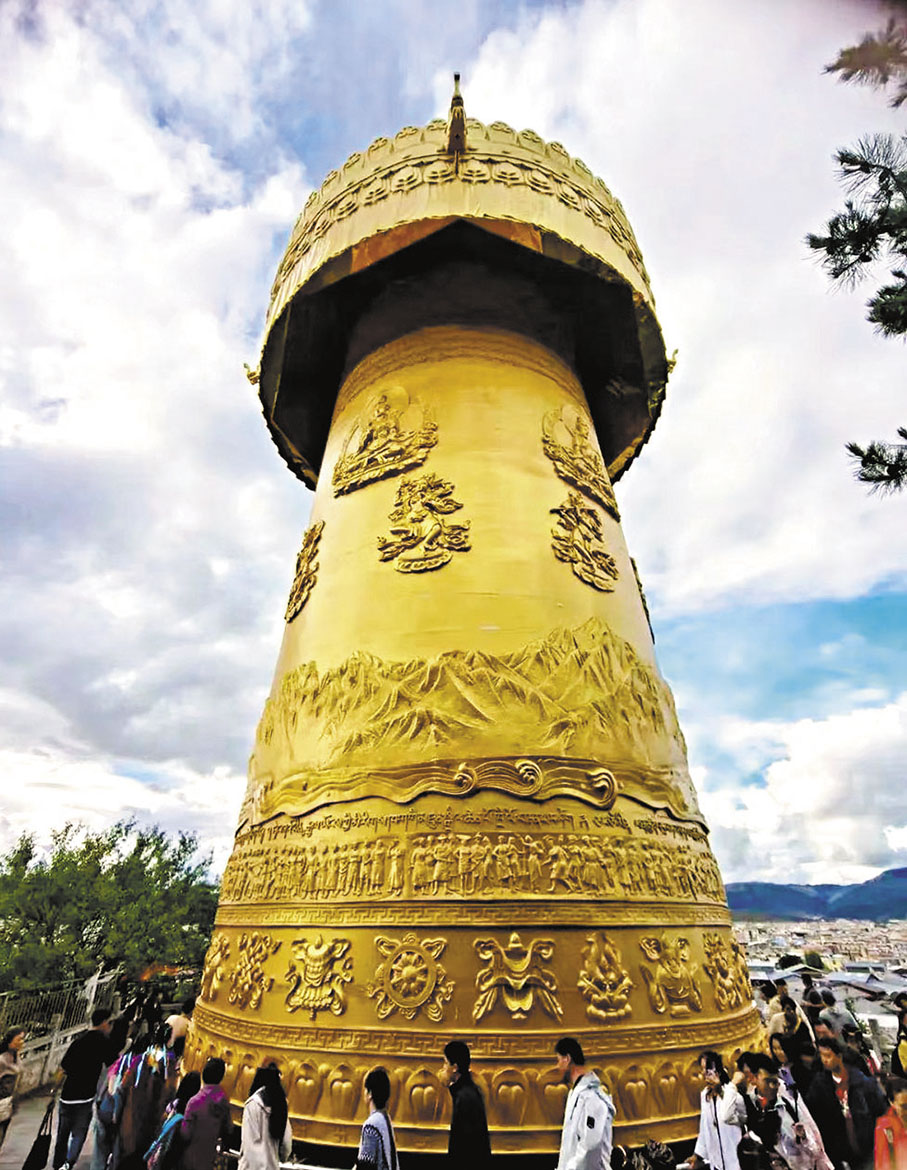
    The plateau calendar often brings Lhasa together: Tibetan New Year Losar fills homes with rituals and blessings; the ancient 'Guthuk' night before the New Year sees families share ceremonial noodle soup; the Shoton Festival in late summer begins with the unfolding of a giant thangka in the morning—huge religious scrolls unfurl in the dawn light, followed by open-air Tibetan opera in the park.

Signature experiences特色体验

Barkhor Kora and Thangka Workshop — Lhasa, China

Barkhor Kora and Thangka Workshop

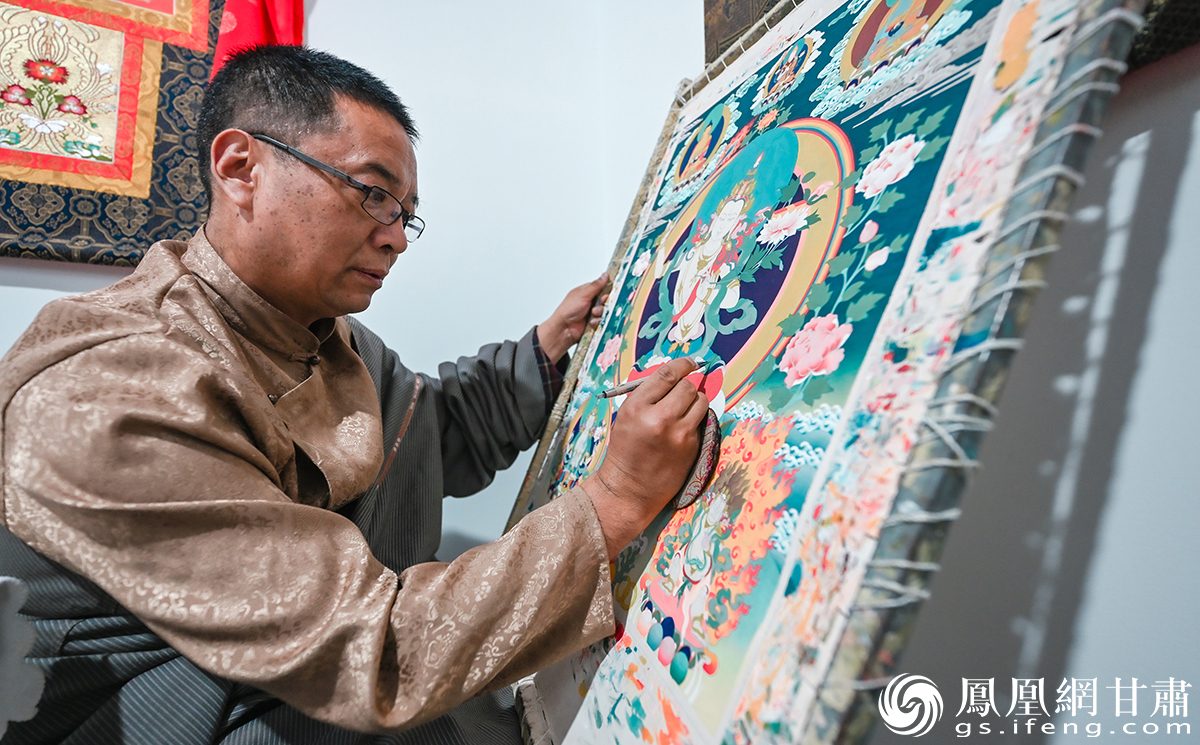
Follow pilgrims clockwise around the Barkhor, then duck into a thangka painting studio beside the kora path—artists grind mineral pigments into gold-leaf scrolls, a craft listed as a national intangible cultural heritage. Watching a master paint for ten minutes teaches you more than any museum label.

Old Sweet Tea House Time — Lhasa, China

Old Sweet Tea House Time

Find the famously local Sweet Tea House of Guangming, sit on a bench at a shared table, pour a cup from the thermos, and leave the cap to pay. No one is in a hurry; the room buzzes with a mix of Tibetan, Mandarin, and languages from half the Silk Road. Keep refilling until the afternoon is gone.

First Tibetan Meal — Lhasa, China

First Tibetan Meal

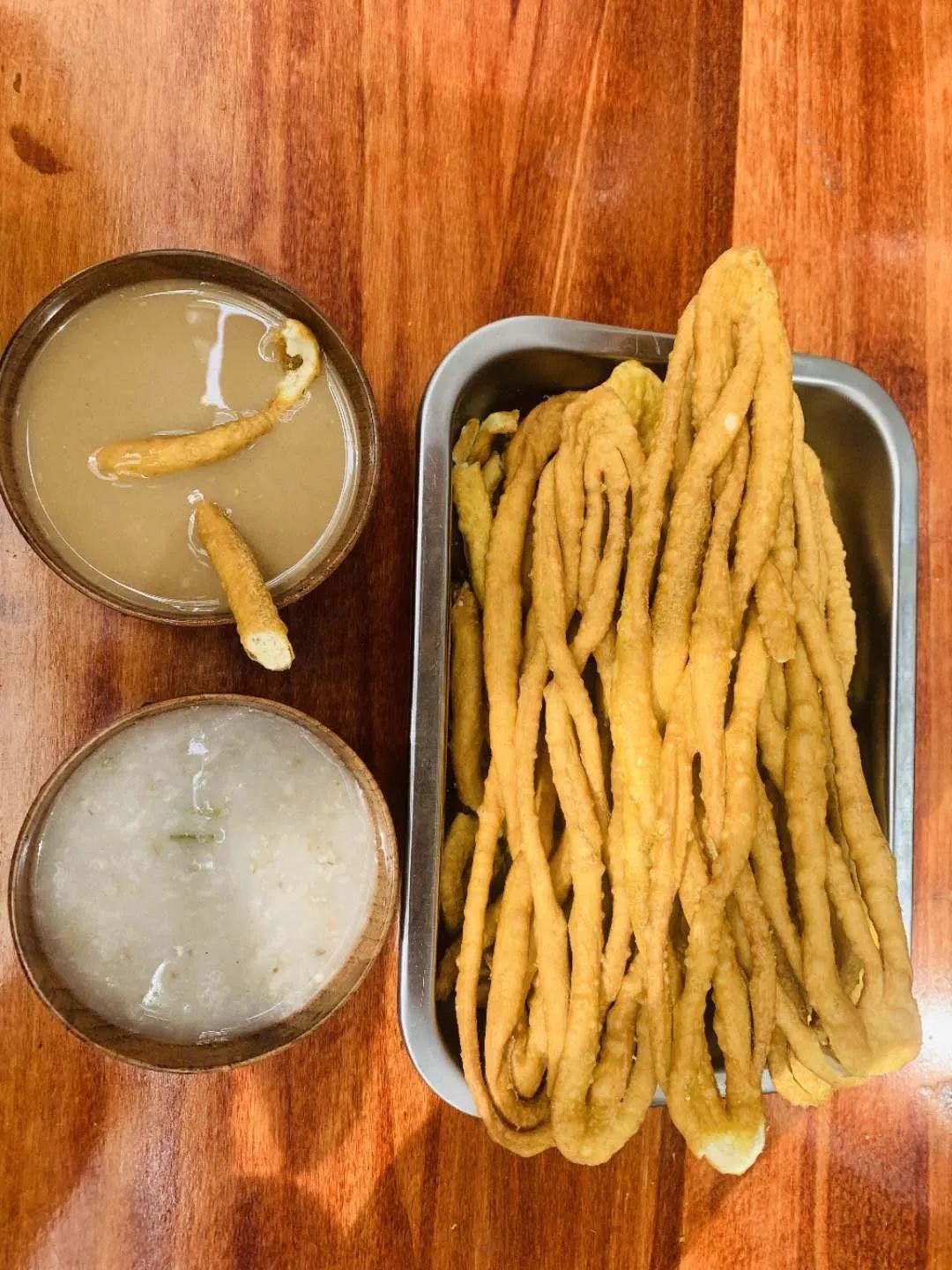
Start gentle: Tibetan noodles with sweet tea, then graduate to tsampa—roasted barley flour kneaded into balls with butter tea—then raise a glass of barley wine. In the afternoon, head to Norbulingka, the former summer palace, where gardens and pavilions were made for this very thing: a picnic under the poplar trees.

Journeys featuring Lhasa拉萨 · 相关行程

Ready to explore Lhasa with a private guide?

Tell us your dates and travel style — a licensed local team replies within 2 hours (09:00–23:00 CST) with a tailored, CNY-settled quote.