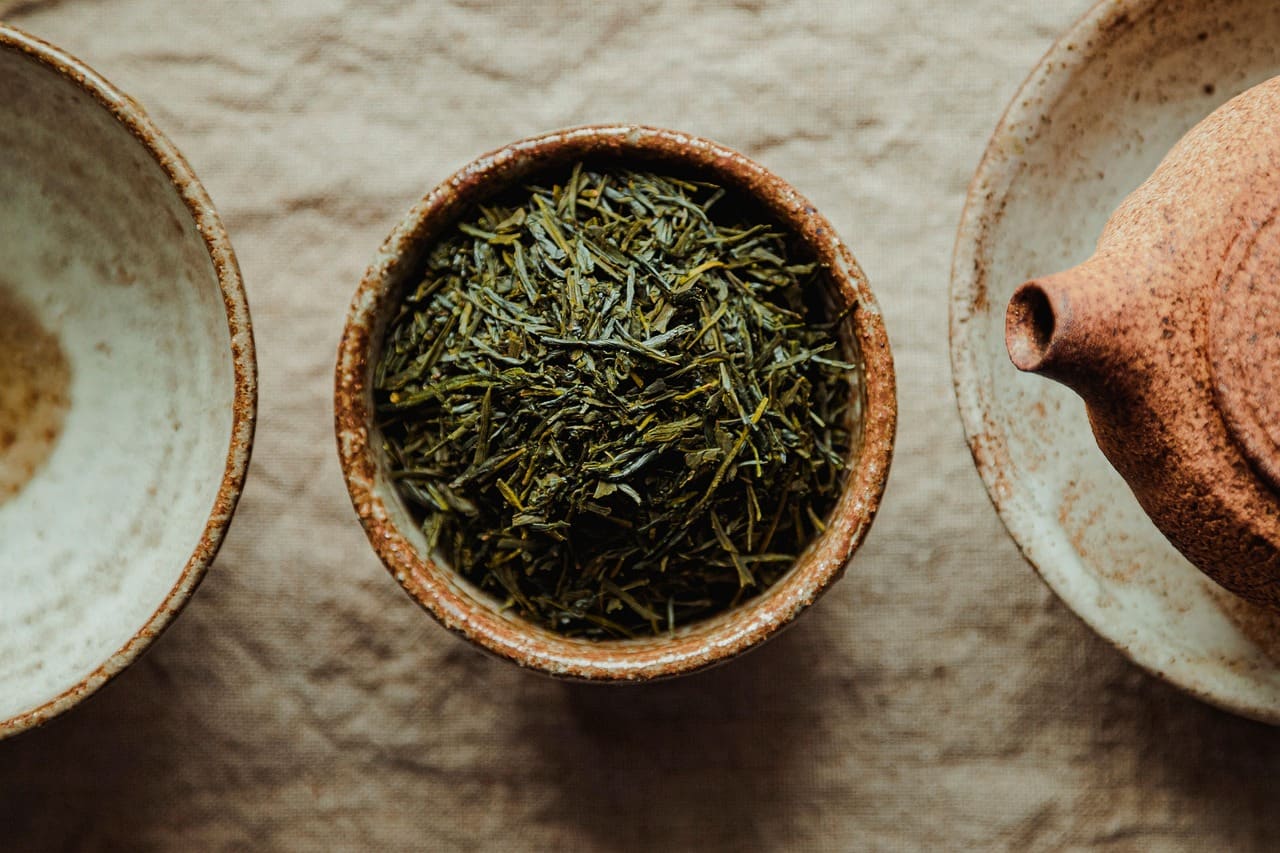
During their travels in China, many foreign tourists will buy tea, Chinese medicinal materials, traditional foods, snacks, handicrafts and special souvenirs to take back to their home country or give to relatives and friends.
But whether a product can be successfully brought home usually needs to go through three different links:
- China Exit Supervision: Whether goods are allowed to be taken out of China and whether a license or customs declaration is required.
- Air transport regulations: Whether the product can be placed in carry-on baggage or checked baggage, and whether liquids, flammable materials or other air transport restrictions are involved.
- Destination Entry Regulations: Whether the goods comply with the food safety, animal and plant quarantine, drug management and wildlife protection regulations of the destination country.
The rules for these three links are not the same. The goods that China allows passengers to carry out of the country do not mean that the destination country will definitely allow entry; the fact that goods can be put into checked luggage does not mean that they can pass through the customs at the destination.
This article mainly introduces the matters that foreign tourists need to pay attention to when taking goods out of the country and into the destination country after purchasing goods from China. It also uses the United States, the United Kingdom and the European Union as examples to illustrate some common regulations.
Policy verification date: November 24, 2026.
01|First understand the three links: being able to buy, being able to bring it, and being able to enter the country are different concepts
When purchasing Chinese goods, it is recommended to distinguish the following three issues.
First: Does China Customs allow it to be taken out of the country?
China Customs implements reasonable self-use management of luggage and items carried out of the country by passengers.
According to the "Regulations on the Supervision of Entry and Exit Luggage and Items of the Customs of the People's Republic of China", the luggage and items carried by passengers should meet the requirements for reasonable personal use; if the amount exceeds the reasonable amount for personal use, customs procedures may be handled as goods.
Items prohibited from export may not be taken out of the country. Items restricted from exporting must comply with relevant quotas and limit requirements, and licenses or other supporting materials must be submitted when required by law.
Therefore, when purchasing goods, you should not only consider quantity and price, but also pay attention to whether the goods involve special management categories such as precious Chinese medicinal materials, cultural relics, endangered animals and plants and their products.
Second: Does the airline allow transportation?
Even if the goods comply with China's exit regulations, they still need to comply with aviation security and baggage transportation requirements.
For example:
- Liquids, gels and pastes may be subject to carry-on baggage capacity restrictions.
- Fragile foods, glass bottled condiments and liquid goods require packaging.
- Items containing alcohol, flammable or other hazardous ingredients may be subject to air transport restrictions.
- Batteries, charging equipment and some electronic products need to be carried in accordance with airline regulations.
Specific restrictions may vary by departure airport, airline, route and transfer location.
Third: Does the destination country allow entry?
This is the most easily overlooked link.
Different countries have different regulations for food, plants, products of animal origin, medicines and wildlife products.
For example:
- The United States requires incoming travelers to declare agricultural and wildlife products they are carrying.
- The UK has specific restrictions on meat, dairy and plant products from China and other related regions.
- The EU generally prohibits travelers from bringing in meat and dairy products from non-EU countries.
Therefore, we cannot simply assume that if the products are sold normally in Chinese stores, they can definitely be taken back to their own country.
02|Tea: usually easier to carry, but tea and herbs must be distinguished
Tea is one of the most purchased souvenirs by foreign tourists in China.
Common products include:
- green tea
- black tea
- Oolong tea
- white tea
- black tea
- yellow tea
- jasmine tea
- herbal tea
- Chinese herbal formula tea
Among them, there may be significant differences in the entry rules for traditional tea and mixed herbal tea.
Ordinary tea
Common green tea, black tea, oolong tea, white tea and dark tea are usually the tea products that are easier to carry.
Recommended choices:
- Regularly packaged products produced in factories;
- Products with clear ingredients and origin labels;
- Goods that are completely sealed and free of pests or plant residues;
- Products that provide purchase receipts.
If you purchase loose tea, it is recommended to keep the product information and proof of purchase provided by the merchant.
Scented and herbal teas
Herbal tea, herbal tea and mixed plant tea cannot be treated as ordinary tea.
For example:
- chrysanthemum tea
- rose tea
- mint tea
- ginseng tea
- Formula tea containing a variety of Chinese medicinal materials
These goods may involve phytosanitary, pharmaceutical ingredients or special plant import regulations.
Whether to allow entry needs to be judged based on the specific plant species, processing methods, packaging and the requirements of the destination country.
U.S. Tea Entry Case
The United States Department of Agriculture stipulates that travelers can bring into the country tea products made only from Camellia sinensis leaves, including green tea, black tea, oolong tea, black tea, white tea and yellow tea, with no special quantity restrictions.
However, all agricultural products must still be declared to U.S. Customs and subject to inspection.
Herbal tea needs to be judged based on the specific ingredients and processing methods. For example, some commercially packaged, appropriately processed herbal teas are allowed into the country, but not all plant raw materials are allowed.
U.S. agricultural inspectors have final judgment. It is recommended to keep the original packaging and purchase receipts to verify the product ingredients and origin.
Tea buying advice
If you plan to take tea back overseas, your priority is:
- Traditional tea made from a single tea tree variety;
- Commercially packaged products with clear ingredient lists;
- Regular product with complete seal.
For tea blends containing multiple herbs, plant seeds, or unknown botanical ingredients, check destination regulations before purchasing.
03|Chinese herbal medicines and proprietary Chinese medicines: focus on checking ingredients, quantity and destination drug regulations
Traditional Chinese medicinal materials, Chinese patent medicines and traditional medicated dietary products are a type of commodities that require special attention when brought back from China.
It should be noted that whether a product can be carried depends not only on the packaging and quantity, but also on its specific ingredients, whether it involves protected species, and the drug management regulations of the destination country.
Common Chinese medicinal materials
Visitors may purchase:
- Ginseng
- wolfberry
- Astragalus
- Angelica sinensis
- tangerine peel
- Ganoderma lucidum
- chrysanthemum
- Cassia
- notoginseng
- Cordyceps sinensis
Whether these goods can be exported or imported cannot be judged based on their names alone.
Some medicinal materials may involve regulations on valuable Chinese medicinal materials management, plant quarantine or wildlife protection.
In particular, medicinal materials derived from wild animals and plants and involving protected species do not automatically lose relevant regulatory properties even if they are dried, sliced or made into powder.
China’s management of exports of Chinese medicinal materials and proprietary Chinese medicines
According to the current administrative service questions and answers of the General Administration of Customs, if Chinese herbal medicines and proprietary Chinese medicines do not involve national regulations on the management of items prohibited or restricted from entering or exiting the country, the customs will manage related items carried or sent out of the country by passengers in accordance with the principles of personal use and reasonable quantity.
There are two important concepts here:
Personal use: refers to the passenger’s personal use or gift to relatives and friends, rather than for commercial purposes such as sale or rental.
Reasonable quantity: It is determined by the customs based on factors such as passenger status, travel purpose, length of stay, etc. Not all commodities have a unified individual carrying quantity.
One problem that is easily misled by old information needs to be corrected:
Order No. 12 of the General Administration of Customs in 1990 stipulated that the total value of Chinese herbal medicines and proprietary Chinese medicines carried by passengers abroad was limited to RMB 300, and the total value of personal mail sent abroad was limited to RMB 200.
However, this provision was expressly abolished by General Administration of Customs Order No. 257 on March 1, 2022. Therefore, 300 yuan, 200 yuan, and the original regulations of 150 yuan and 100 yuan in Hong Kong and Macao cannot be used as the current effective amount limit in 2026.
At present, tourists should handle the matter in accordance with the customs' current self-use, reasonable quantity principles and other prohibitions and restrictions on entry and exit. They cannot simply judge whether they can carry it based on the above-mentioned old amount.
Chinese patent medicines: Don’t just look at the name of the medicine
Common proprietary Chinese medicines include:
- granules
- capsule
- tablet
- pill
- ointment
- topical ointment
- Herbal formula preparations
The following items need to be checked:
- Does the product have a complete ingredient list and instructions?
- Can all active ingredients be confirmed?
- Contains controlled narcotic drugs, psychotropic substances or other controlled ingredients.
- Whether it contains animal-derived ingredients that may be relevant to wildlife protection.
- Whether it is a drug that requires a prescription, license or special declaration in the destination country.
- Whether the quantity carried meets the requirements for personal use.
China Customs government service information specifically lists related Chinese medicinal materials such as musk, toad venom, tiger bone, rhinoceros horn, bezoar, etc., suggesting that they may be subject to export bans.
Therefore, it is not recommended that tourists judge whether they can carry it based solely on business introductions, product packaging or the names of "traditional medicinal materials".
Categories of pharmaceutical ingredients requiring special inspection
The ingredients of some medicines that can be purchased normally in China may be subject to special management in the destination country.
The following categories require particular attention:
1. Ephedrine and pseudoephedrine ingredients
Some cold medicines, nasal congestion medicines, and combination preparations may contain ephedrine or pseudoephedrine.
These ingredients may be subject to drug import, formulary, or precursor chemical regulations in different countries.
Pay attention to the distinction:
- Plant raw materials such as Ephedra;
- Ephedrine;
- Pseudoephedrine.
The three are not the same concept. Just because a medicine contains ephedra plant components, it cannot be determined that it contains a specific dose of ephedrine or is a controlled medicine in a certain country.
2. Morphine, codeine and other opioid ingredients
Some cough suppressants, analgesics or compound medicines may contain opioid ingredients such as codeine and morphine.
Such ingredients are strictly regulated in many countries and may require a doctor's prescription, medical certificate, import license or specific quantity requirements.
Do not judge whether a drug contains opioids based on its Chinese trade name alone. You should check the active ingredient list of the specific product.
3. Strychnine and related alkaloids
Strychnine is a highly toxic alkaloid that may involve strict poison or drug regulations.
Some traditional medicinal materials may involve raw materials such as Nux vomica, but this cannot be used to conclude that all products containing the name Nux vomica have the same strychnine content, nor can all certain types of Chinese patent medicines be classified as strychnine preparations.
The specific formula, testing information and destination regulatory classification shall prevail.
4. Other potentially regulated ingredients
Some medicines may also contain sedative-hypnotic ingredients, psychotropic drugs, narcotic drugs or other controlled substances.
For compounded medicines, especially check all active ingredients, not just the main trade name on the front of the package.
Drug entry requirements in the United States, the United Kingdom and other countries
Drug import rules vary from country to country.
For example:
- The United States requires foreign tourists to prepare English prescriptions or doctor's instructions when bringing medicines for personal use, and try to keep the original packaging. Even if some medicines are sold legally in other countries, they may not be imported because they are not approved by the United States or involve controlled ingredients.
- The UK has quantity and certification requirements for personal use medicines containing controlled substances. Non-UK residents who bring relevant medicines into the country usually need to prove that the medicines were legally prescribed for them and comply with the corresponding supply restrictions.
- Other countries may have different licensing and reporting requirements for Chinese herbal medicines, traditional medicines, and compound medicines containing narcotic or psychotropic ingredients.
Advice on purchasing Chinese herbal medicines and proprietary Chinese medicines
If you plan to buy Chinese herbal medicines or Chinese patent medicines to take back home, it is recommended that:
- Give priority to regular commercially packaged products with clear ingredients;
- Keep product instructions, ingredient lists and purchase receipts;
- Do not purchase animal medicines from unknown sources;
- Do not purchase products claiming to contain restricted ingredients such as tiger bone, rhino horn, musk, etc.;
- For products containing ephedrine, pseudoephedrine, codeine, morphine, strychnine and other ingredients, check the destination’s drug regulatory regulations in advance;
- If you cannot confirm ingredients or licensing requirements, do not bring it.
04|Traditional food and snacks: Processed food does not necessarily mean that it can be imported
China has many traditional foods and local specialties that are suitable for purchase, such as:
- moon cake
- pastry
- biscuit
- candy
- chocolate
- Soy products
- Seasoning
- nut
- Candied fruit
- convenience food
- Vacuum packed cooked food
However, whether food is allowed to enter the country usually depends on the raw materials, processing methods, packaging and destination quarantine regulations.
Ordinary packaged snacks
Commercially packaged biscuits, candies, chocolates, pastries, etc. are generally easier to comply with entry requirements than unprocessed fresh food.
But still need to check:
- whether it contains meat or meat extracts;
- whether it contains dairy products;
- Whether it contains eggs;
- Whether it contains plant materials that require quarantine;
- Whether the food is prohibited or restricted by the destination country.
For example, certain instant noodle seasoning packets, meat floss pastries, meat-filled moon cakes and meat snacks may be subject to regulations on meat and animal-derived products.
moon cake
Mooncakes are a common souvenir purchased by foreign tourists in China, but different fillings may lead to different entry risks.
Special attention is required:
- Fresh meat mooncakes;
- Ham moon cake;
- Meat floss mooncake;
- Pastries containing meat ingredients;
- Special pastries with more dairy products.
Even if the mooncakes are baked, vacuum-packed or commercially sealed, it does not mean that the destination will allow entry.
For mooncakes containing meat, dairy products or other ingredients of animal origin, you should first confirm the relevant regulations of the destination country.
Nuts and dried fruits
Common nuts and dried fruits include:
- Walnut
- almond
- pistachio
- cashew
- peanut
- raisin
- red dates
- Dried longan
Regulations for nuts, seeds and plant products vary from country to country.
Nuts that have been shelled, roasted, processed and commercially packaged are generally more likely to meet entry requirements than unprocessed shelled nuts or seeds that can be used for planting, but this does not necessarily mean that all nuts are acceptable.
Pay special attention to unprocessed seeds, soil-borne plant materials and merchandise that may carry pests.
Honey and bee products
Products such as honey, propolis, and royal jelly may be subject to animal-derived product management regulations.
Different countries have different access conditions and quantity restrictions for honey.
For example, the United Kingdom and the European Union have regulations of 2 kilograms per person for some honey products imported from non-exempt areas, but this quota cannot be directly applied to other bee products.
Specific product type, packaging and destination country requirements should be confirmed before purchasing.
05|Meat, dairy products and foods of animal origin: require special caution
Meat and dairy products are one of the food categories most prone to entry issues when traveling internationally.
Common products include:
- beef jerky
- pork breast
- Meat floss
- sausage
- Bacon
- Ham
- Meat mooncakes
- cheese
- milk powder
- Pastries containing dairy products
- Other foods of animal origin
Some countries will impose restrictions on meat and dairy products from different countries based on animal diseases and food safety risks.
UK entry case
The region of Great Britain includes England, Scotland and Wales.
According to the food entry regulations published by the British government, food entering Great Britain from countries outside the EU, Switzerland, Norway, Iceland, Liechtenstein, Faroe Islands and Greenland:
- Meat and meat products are not allowed;
- Milk and dairy products are not allowed;
- There are specific exceptions for infant milk powder, infant food and food for special medical purposes;
- For some animal-derived products such as honey, each person can carry up to 2 kilograms;
- Separate quantity and processing requirements apply to fish and fish products.
Different rules apply in Northern Ireland and the regulations in Great Britain cannot be applied directly.
EU entry case
Passengers entering the EU from non-EU countries such as China are generally not allowed to bring meat and dairy products.
Some other foods have separate regulations, such as:
- Fish and fish products: Quantity limits usually apply;
- Some products that do not contain meat or dairy products, such as honey: usually have a 2kg limit;
- Foods for infants and young children and foods for special medical purposes: exceptions may apply when packaging, preservation and quantity conditions are met;
- Other products of animal origin: need to be judged according to specific categories.
If you bring meat or dairy products that do not comply with the regulations, they may be confiscated and destroyed, and you may face fines or further penalties.
Things to note when entering the United States
The United States implements strict quarantine management on meat, animal-derived foods and some agricultural products.
Whether it can be carried may depend on the country of origin of the product, animal species, processing methods and disease restrictions at the time.
Don’t assume that vacuum-packed, cooked, or commercially packaged meat products can definitely enter the United States.
If you are unsure whether a certain food is allowed into the country, check the latest USDA and Customs requirements before traveling.
06|Fruits, plants, seeds and flowers: do not bring them randomly
Fruits, vegetables, plants, seeds, flowers and wood products can carry plant diseases and insect pests.
Therefore, many countries have phytosanitary requirements for these products.
Common products include:
- fresh fruit
- fresh vegetables
- flowers
- plant seeds
- Traditional Chinese medicine plant raw materials
- potted plant
- Native plants
- wooden crafts
- untreated plant material
fresh fruit
Don’t think that fresh fruits purchased in Chinese supermarkets can be taken directly back abroad.
The destination country may prohibit the entry of certain fruits or require a phytosanitary certificate.
UK fruit entry: Which ones are exempt from phytosanitary certificates?
Under current regulations published by GOV.UK, most fruit and vegetables entering Great Britain from outside the EU require a phytosanitary certificate.
However, some fruits are exempt from phytosanitary certificates, including:
- Pineapple
- kiwi
- coconut
- Citrus fruits such as oranges, lemons, limes, and grapefruits
- kumquat
- persimmon
- durian
- Banana and plantain
- mango
- dates
- passion fruit
- Guava
Things to note here:
Phytosanitary exemption certificate does not mean exemption from all entry supervision. Items must still comply with applicable food safety, customs and other relevant regulations. Fresh-cut plants, plants for planting, seeds and other plant materials cannot be directly applied to the fruit exemption list.
U.S. entry cases
The United States requires incoming travelers to declare agricultural products they are carrying.
Whether fruits, vegetables, plants and seeds are allowed to enter depends on the specific types, sources and quarantine requirements.
Even if the goods are dried or processed plant products, they cannot be considered to be without restrictions.
EU entry case
Plants and plant products entering the EU from non-EU countries generally require a phytosanitary certificate.
Flowers, plants, fruits, vegetables and planting materials may be subject to relevant requirements.
Therefore, tourists are not advised to bring fresh plants, seeds, potted plants or untreated plant materials into the country.
07|Seafood, coral, ivory and products from endangered wild animals and plants
Some traditional Chinese goods may involve wild animals or protected plants.
For example:
- coral products
- ivory products
- tortoise shell products
- certain animal bone products
- protected animal leather
- Endangered plant products
- Some wild animal medicinal materials
- Certain caviar products
The risk for such commodities lies not only in food quarantine, but also in the international wildlife trade management system.
What are CITES?
CITES is the Convention on International Trade in Endangered Species of Wild Fauna and Flora, which regulates international trade in protected wild animals and plants and their products.
Species and their products managed by CITES may require relevant licenses or certification documents.
Even if the goods have been made into handicrafts, medicinal materials, accessories or souvenirs, it does not mean that they can be taken out of the country freely.
Why might “personal mementos” be restricted?
Some visitors may think:
- The quantity of goods is small;
- For personal use only;
- Not a commercial sale;
- Has been processed into jewelry or handicrafts.
So it should be portable.
But this is not necessarily true.
Different rules apply for different species, countries and trade situations, and some personal or family property exceptions also have strict conditions.
You cannot assume that small purchases or personal use are exempt from licensing requirements.
Buying advice
If the product involves ivory, coral, tortoise shell, wild animal bones, leather, or animal and plant materials of unknown origin, it is recommended not to purchase it.
For goods that do have legal origins and may be subject to CITES management, you should verify China's export requirements and destination import requirements before purchasing, and confirm whether the required documents can be obtained according to law.
08|Antiques, cultural relics and traditional handicrafts: it is necessary to distinguish between ordinary commodities and cultural relics
China is rich in traditional handicrafts and cultural goods, such as:
- painting and calligraphy
- porcelain
- jade
- carvings
- ancient books
- old furniture
- antique
- traditional handicrafts
But ordinary handicrafts are not the same as items with cultural relic properties.
According to the "Cultural Relics Protection Law of the People's Republic of China" revised in 2024 and effective from March 1, 2025:
- State-owned cultural relics, precious cultural relics among non-state-owned cultural relics, and other cultural relics prohibited from export by the state shall not be exported, except for exceptions provided by law.
- The export of cultural relics needs to be reviewed by the designated cultural relics entry and exit review agency.
- Cultural relics that are allowed to be exported must obtain a cultural relics export permit in accordance with the law.
- When transporting, mailing, or taking cultural relics out of the country, they must be declared to the customs in accordance with regulations.
Therefore, when purchasing antiques, old paintings and calligraphy, historical artifacts and collectible items, you cannot rely solely on verbal promises from merchants.
suggestion:
- Before purchasing, ask whether the product has cultural relic properties.
- Merchants are required to provide the true source of goods and proof of purchase.
- For items that are old and have historical and cultural value, please consult the cultural relics authority in advance.
- If it involves the review of cultural relics, review and licensing procedures should be completed in accordance with the law.
- Do not confuse the Cultural Relics Exit Permit with the general merchandise purchase invoice.
Ordinary modern handicrafts should not be regarded as cultural relics, but their legal attributes cannot be judged solely by their appearance or merchant labels.
09|The United States, the United Kingdom and the European Union: Comparison of entry rules for common goods
Here are some rules to pay special attention to when traveling from China.
| Product Category | USA | United Kingdom (Great Britain) | European Union |
|---|---|---|---|
| Ordinary tea | Pure tea leaf tea can be carried, but must be declared | Judgment based on specific requirements for food and plant products | Judgment based on specific food and plant product requirements |
| herbal tea | Judging by ingredients, processing and packaging | Judgment by plant and food regulations | Judgment by plant and food regulations |
| Meat and meat products | Strictly restricted, judged by source and product | Banned in principle from China and other relevant regions | Banned in principle from non-EU countries |
| dairy products | Judgment based on product and country of origin regulations | Banned in principle from China and other relevant regions | Banned in principle from non-EU countries |
| Honey | Need to declare and undergo inspection | Maximum 2kg per person | Some products are limited to 2kg per person |
| fresh fruit | Judgment based on specific species and quarantine requirements | Most require a phytosanitary certificate, with some exceptions | A phytosanitary certificate is usually required |
| plants and seeds | Judgment based on species and quarantine requirements | Judgment according to phytosanitary regulations | A phytosanitary certificate is usually required |
| Products from endangered species | Permits may be required or entry prohibited | CITES permit may be required | CITES permit may be required |
| Chinese patent medicine | Judgment based on ingredients, FDA and DEA regulations | Judgment based on controlled drugs and drug import regulations | Judgment based on relevant regulations of member states and EU |
Notice:
- US regulations should be subject to the latest information from the USDA and US Customs.
- The rules in the UK table apply only to Great Britain and do not represent Northern Ireland.
- EU rules apply to relevant EU member states, but some species, products and temporary quarantine measures may differ.
- The table is a summary of common categories and is not a complete admissions list of all products.
10|Carry-on baggage or checked baggage? The two cannot be confused
Whether goods can enter the country and where they are placed are two different issues.
Carry-on luggage
Suitable for placement:
- Small packages of tea;
- Common snacks that are not easily broken;
- Important documents and shopping vouchers;
- Personal items that meet aviation security requirements.
Liquid, gel and paste products may be subject to airport security capacity restrictions.
For example, honey, sauces, liquid condiments, ointments and some skin care products may be managed as liquid or gel items.
The specific capacity limit shall be subject to the security regulations of the departure airport and transfer airport.
Checked baggage
Suitable for placement:
- Completely packaged tea leaves;
- Ordinary dry goods;
- non-perishable commercially packaged foods;
- Crafts that meet air transport requirements.
Glass bottles, ceramics and fragile goods should be packed in shock-proof packaging.
It should be noted that putting it in checked luggage does not bypass the food quarantine, customs declaration and species protection regulations of the destination country.
If a certain food is not allowed into the country, it may be seized whether it is in carry-on luggage or checked luggage.
11|If you want to send Chinese goods back to your country instead of carrying them yourself
Some tourists choose to purchase goods in China and then send them back to their home country via international express or post.
However, international mailing does not mean that you can bypass passenger baggage regulations.
International mailings often also require consideration:
- Export commodity declaration;
- Customs classification of mail items;
- Import regulations of the destination country;
- Food, animal and plant quarantine;
- pharmaceutical import restrictions;
- Embargo and restricted shipment regulations of international shipping companies.
China Customs has independent supervision requirements for personal mail items. When sending Chinese herbal medicines and proprietary Chinese medicines out of the country, they must also comply with the current customs regulations on the management of personal postal items and the management requirements on prohibited and restricted items for entry and exit.
It is important to note that the 200-yuan limit for sending Chinese herbal medicines and proprietary Chinese medicines out of the country, which was stipulated in Order No. 12 of the General Administration of Customs in 1990, has been abolished along with this regulation and can no longer be used as the current amount standard.
Before mailing, you should confirm with the shipping company whether it accepts the goods, and check the destination customs for specific regulations on mailed imports.
Do not interpret "can be carried with you" as "can be sent via international express delivery".
12|How to reduce entry risks when buying souvenirs in China?
If you want to bring Chinese goods back to your home country, you can follow the following principles when purchasing.
Preference
- Commercially packaged goods sold in regular stores;
- Products with clear ingredients and complete labels;
- Common foods that have been fully processed;
- Tea made from traditional tea leaves;
- Products with clear proof of purchase;
- Ordinary crafts that do not involve protected flora and fauna.
Buy with caution
- Formulated products containing a variety of Chinese medicinal materials;
- Medicinal materials of animal origin;
- meat and dairy products;
- Raw nuts and seeds;
- flowers, plants and fruits;
- wildlife products;
- Antiques, old paintings and calligraphy, and goods with cultural relic properties;
- Drugs containing controlled ingredients such as ephedrine, pseudoephedrine, codeine, and morphine.
Try to avoid
- Wildlife products of unknown origin;
- Ivory, rhino horn and other protected animal products;
- Traditional medicines whose ingredients cannot be identified;
- Chinese medicinal materials that may be subject to export ban;
- Antiques and artifacts without proof of legal origin.
13|Pre-departure checklist
After purchasing an item, you can check it with the following checklist before heading to the airport.
Product information
- [ ] The product name is clear.
- [ ] Complete ingredient list.
- [ ] The origin information is clear.
- [ ] Keep purchase receipts.
- [ ] The product packaging is complete.
China Outbound
- [ ] Confirm that the product is not prohibited from export.
- [ ] Confirm whether export-restricted goods require a license.
- [ ] Confirm whether the reasonable self-use quantity is exceeded.
- [ ] Items that need to be declared have been processed according to regulations.
AIR TRANSPORT
- [ ] Carry-on baggage complies with liquid and security regulations.
- [ ] Checked baggage complies with airline transportation regulations.
- [ ] Fragile items are already packed.
- [ ] No items prohibited for air transport are carried.
Destination Entry
- [ ] Checked the food entry regulations.
- [ ] Meat and dairy restrictions have been queried.
- [ ] Quarantine requirements for plants, seeds and fruits have been inquired.
- [ ] It has been confirmed whether medicines and Chinese herbal ingredients are allowed to enter.
- [ ] Confirmed whether endangered species products require a license.
- [ ] The goods that need to be declared have been prepared to be declared truthfully.
14|FAQs for foreign tourists
Q1: Can food purchased in regular stores in China be taken directly back to my home country?
uncertain.
The normal sale of food in Chinese stores does not mean that the destination country allows import. In particular, meat, dairy products, plant products and foods containing special ingredients require individual verification of destination regulations.
Q2: Can vacuum-packed food be imported?
uncertain.
Vacuum packaging can improve storage conditions, but it cannot change the raw material properties of the food, nor can it automatically exempt it from quarantine requirements.
For example, vacuum-packed meat may still be a prohibited meat product at your destination.
Q3: Can Chinese tea be brought to the United States?
The USDA allows travelers to bring into the country green tea, black tea, oolong tea, black tea, white tea and yellow tea made only from tea leaves. There is no special limit on the quantity, but they still have to be declared.
If the tea contains other herbal ingredients, further verification is required.
Q4: Can Chinese medicinal materials be taken abroad?
Judgment needs to be made based on specific medicinal materials, ingredients, source and destination regulations.
Some Chinese medicinal materials may be subject to China's exit restrictions, wildlife protection regulations or destination drug import restrictions.
China Customs currently manages related items that are not subject to prohibitions or restrictions in accordance with the principle of self-use and reasonable quantity. However, it cannot be judged that they can be carried based on a small amount of self-use or commercial packaging.
Q5: Can proprietary Chinese medicines be brought home in my suitcase?
Whether it can be carried depends on the specific drug ingredients, destination drug regulations and the quantity carried by the individual.
Some countries have special requirements for pharmaceutical ingredients, prescription drugs, and products containing controlled substances.
It is recommended to keep the original packaging, instructions and proof of purchase, and check the destination’s drug regulatory regulations in advance.
Q6: What ingredients in Chinese patent medicines require special attention?
It is necessary to focus on checking ephedrine, pseudoephedrine, morphine, codeine, strychnine and other ingredients that may be subject to special management.
However, the ingredients cannot be inferred just from the name of the drug, nor can products containing ephedra plant raw materials be directly equated with ephedrine preparations.
The ingredient list and instructions of the specific product and the drug regulatory regulations of the destination country should prevail.
Q7: Does China Customs still stipulate that the export value of Chinese herbal medicines and proprietary Chinese medicines shall not exceed 300 yuan?
The current monetary limit of $300 should not continue to be used.
The regulations of RMB 300 and RMB 200 come from the General Administration of Customs Order No. 12 of 1990, but this regulation was abolished by the General Administration of Customs Order No. 257 on March 1, 2022.
At present, it should be handled in accordance with the customs' current self-use, reasonable quantity principles and other prohibitions and restrictions on entry and exit.
Q8: Is it okay to bring mooncakes back from China?
It depends on the mooncake fillings and destination regulations.
Different rules may apply to ordinary pastries and mooncakes containing meat, dairy or other ingredients of animal origin.
Don’t think that baking or vacuum packaging will definitely allow entry.
###
Fresh fruit may be subject to destination phytosanitary regulations.
Some countries prohibit the import of specific fruits, others require phytosanitary certificates.
You should check by specific fruit variety before departure.
Q10: Is it possible to bring honey from China back to the United States, the United Kingdom or the European Union?
The UK and EU have regulations of 2kg per person for some honey products. The United States requires travelers to declare agricultural products, and relevant inspectors will determine whether to allow entry.
Do not directly apply quantity limits from one country to another.
Q11: Can I buy wildlife products in small quantities and take them home?
Ivory, coral, protected animal products and some wild plant products may be restricted by CITES and relevant laws of various countries.
Some goods may require a license or even be prohibited from international trade.
Q12: Can I buy antiques and old objects and take them directly out of China?
uncertain.
Items with cultural relic attributes may need to be reviewed by designated cultural relics entry and exit review agencies and obtain a cultural relics exit permit in accordance with the law.
The shopping voucher cannot replace the export permit for cultural relics.
Q13: What should I do if I am not sure whether a certain food or medicine can be imported?
The safest way is:
- Keep product packaging and ingredient lists.
- Check the official regulations of the customs, agricultural quarantine or drug regulatory authorities of the destination country.
- Check with the airline for transportation requirements.
- If you still can't confirm, don't bring it.
- If you have already brought it and the destination requires declaration, you should declare it truthfully and accept inspection.
Q14: What will happen if the goods are seized by the destination customs?
Depending on the product category and destination country regulations, there may be:
- Goods are confiscated;
- Goods are destroyed;
- Goods were returned;
- Request additional licenses or certifications;
- face fines;
- In serious cases, further legal liability will be borne.
The specific handling depends on the nature of the goods, declaration status and local laws.
Summarize
When buying tea, food, Chinese medicinal materials and traditional handicrafts from China and bringing them back to your home country, the key is not whether the goods are legally sold in China, but whether they meet the requirements of China's exit, air transportation and destination entry.
For ordinary commercially packaged tea and snacks, it is usually easier to judge; for Chinese medicinal materials, meat, dairy products, plant seeds, wildlife products and antiques, you should be more cautious.
Especially for Chinese herbal medicines and proprietary Chinese medicines, do not rely on the old monetary limits that are still circulating on the Internet, and do not judge whether the ingredients are controlled based on the Chinese name of the medicine alone.
The most practical principle is: first confirm the composition of the product, then verify China’s exit requirements, and finally check the entry regulations of the destination country. For goods that cannot be confirmed as being allowed to be carried, do not risk taking them out of the country solely based on the merchant's promise or for personal use.