Chengdu, China
Southwest ChinaBest season · March–June & September–November

Chengdu

成都

Best season

March–June & September–November

Region

Southwest China

Private journeys

3 itinerary options

Coordinates

30.57° N, 104.07° E

About Chengdu成都

Chengdu is the capital of 'leisurely living'—a city steeped in ancient engineering, Three Kingdoms legends, and slow-paced teahouses. It's also the easiest place on Earth to see giant pandas: the breeding base, which started in 1987 with six rescued, starving pandas, is now a world-leading center for panda conservation and research.

Alternate between historical days and leisure days in Chengdu—within driving distance, the 71-meter Leshan Giant Buddha and the 2,200-year-old Dujiangyan Irrigation System; in the city, the Kuanzhai Alley, Jinli Ancient Street, and the bamboo-shaded Wuhou Shrine.

Between attractions, live like a local: sip a bowl of盖碗茶 in a park, slurp noodles from a street stall, watch a face-changing performance in the evening, and end with a hotpot dinner that grows longer with conversation.

Must-see attractions必游景点

Panda Breeding Research Base — Chengdu, China1

Panda Breeding Research Base

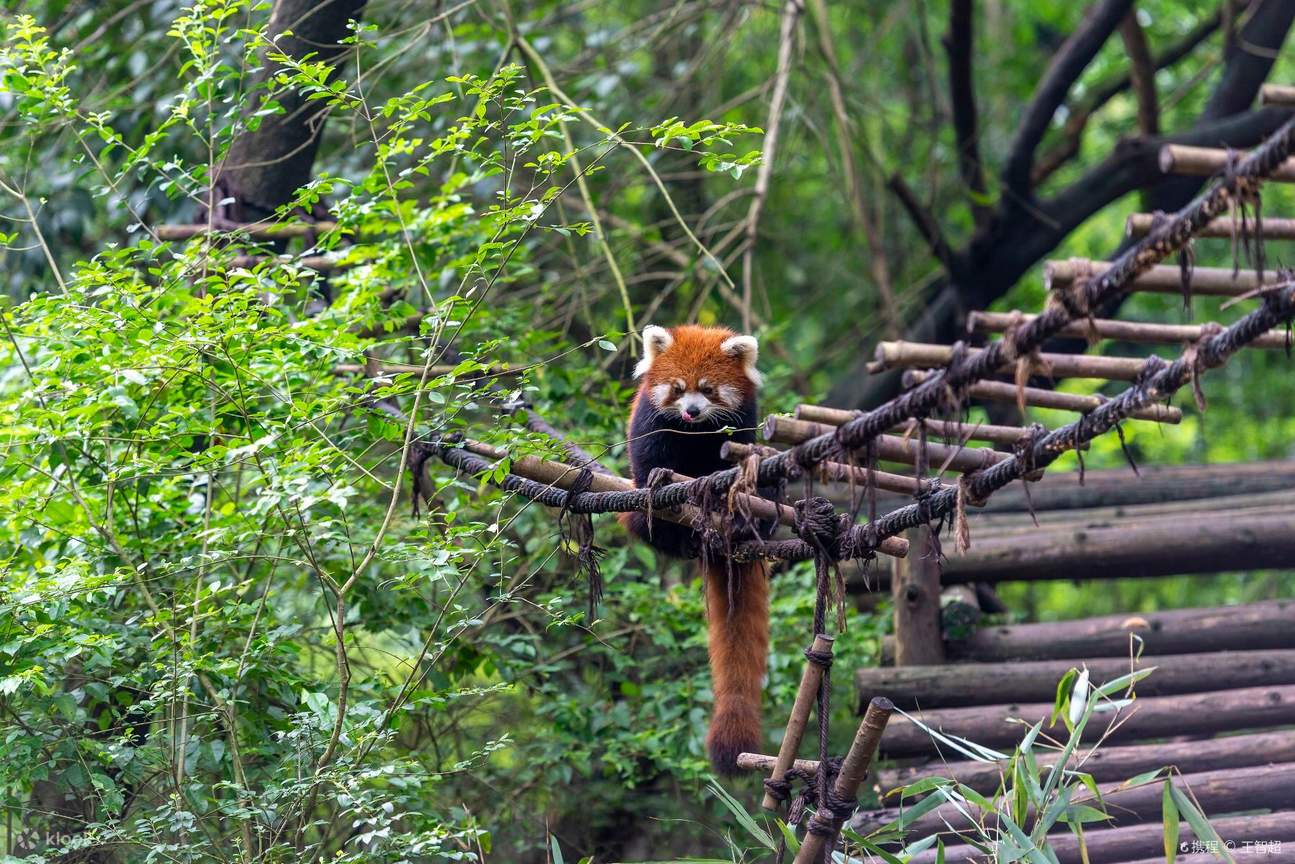
The Panda Base began in 1987 with six rescued, starving giant pandas and is now a global leader in panda breeding and research. Wooden boardwalks wind through bamboo forests, connecting enclosures—visit when pandas are most active at opening times, and be sure to leave time for the lively red panda forest.

Jinli Ancient Street — Chengdu, China2

Jinli Ancient Street

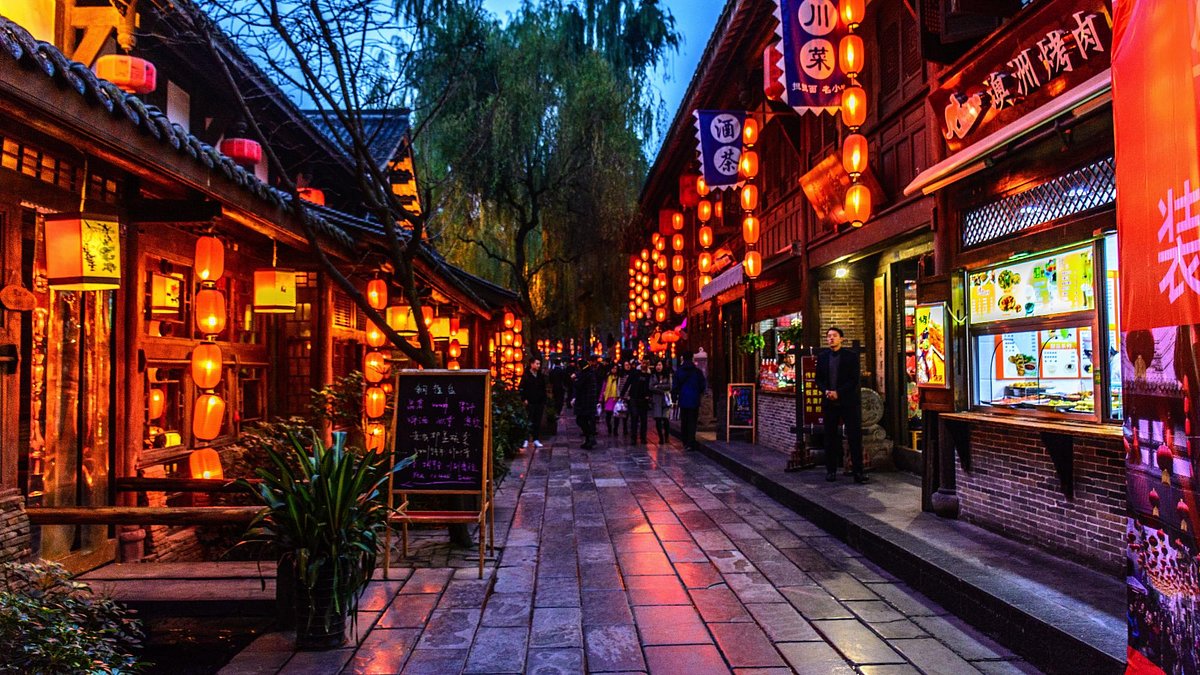
A reconstructed ancient street in Shu style beside Wuhou Shrine, lined with Three Kingdoms-themed shops, street food stalls, and teahouses. Red lanterns hang from eaves, creating the most magical atmosphere in the evening—come with an empty stomach and follow the queues.

Leshan Giant Buddha — Chengdu, China3

Leshan Giant Buddha

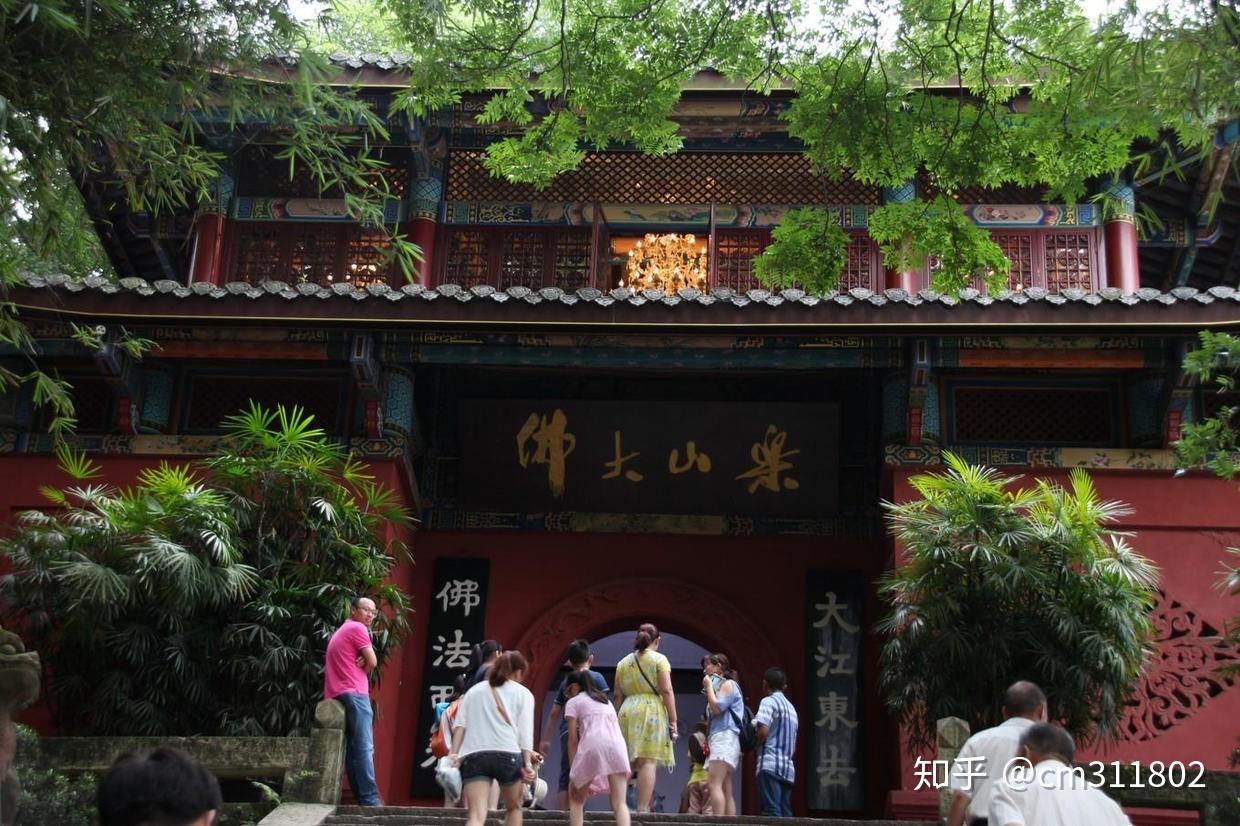
From 713 to 803, Tang Dynasty craftsmen spent 90 years carving this 71-meter seated Buddha at the confluence of three rivers—one of the world's largest stone statues and a World Heritage Site with Mount Emei since 1996. Only by descending the spiral cliffside path can you grasp its scale, then look back at the full view from your boat.

Kuanzhai Alley — Chengdu, China4

Kuanzhai Alley

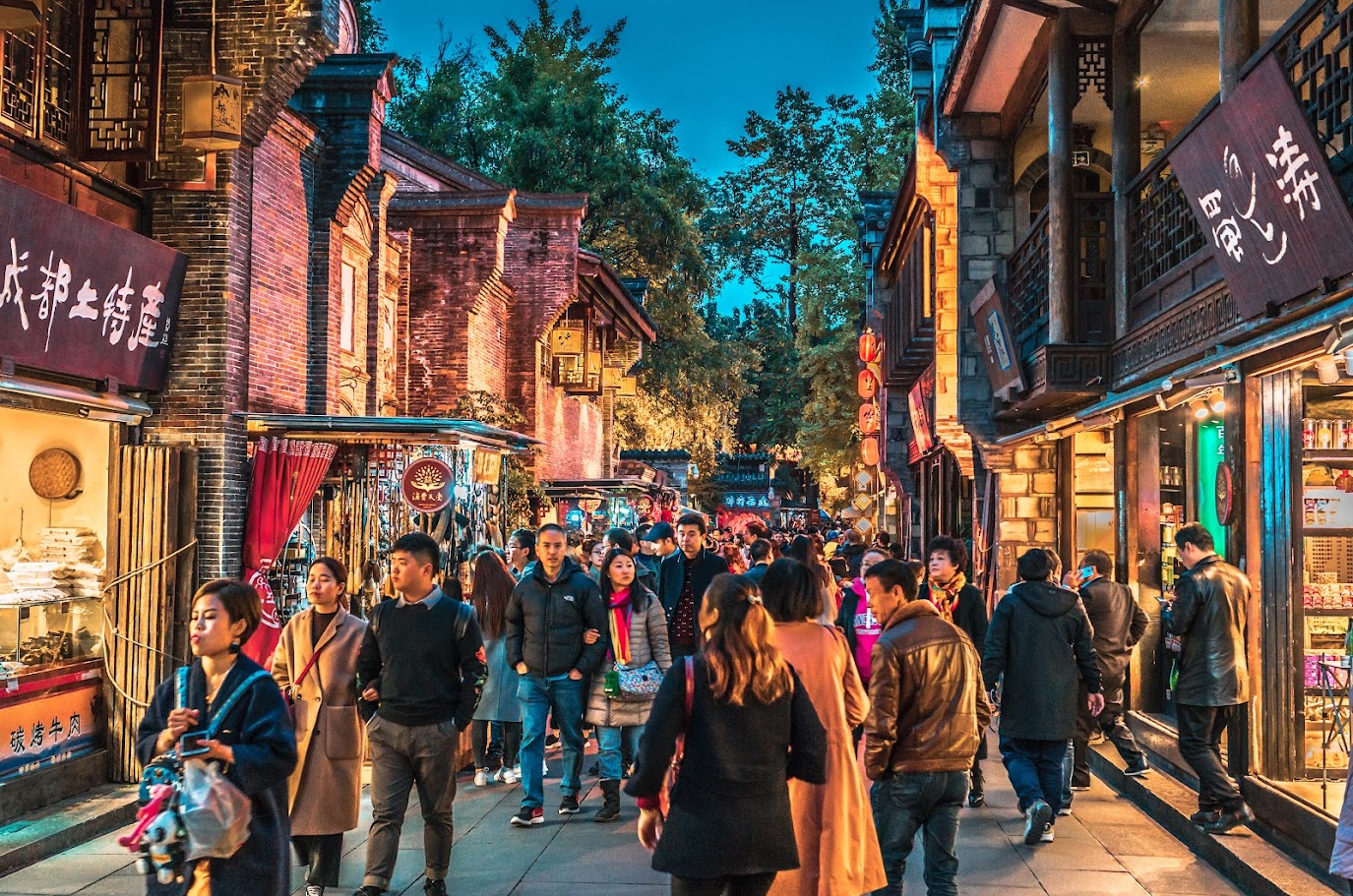
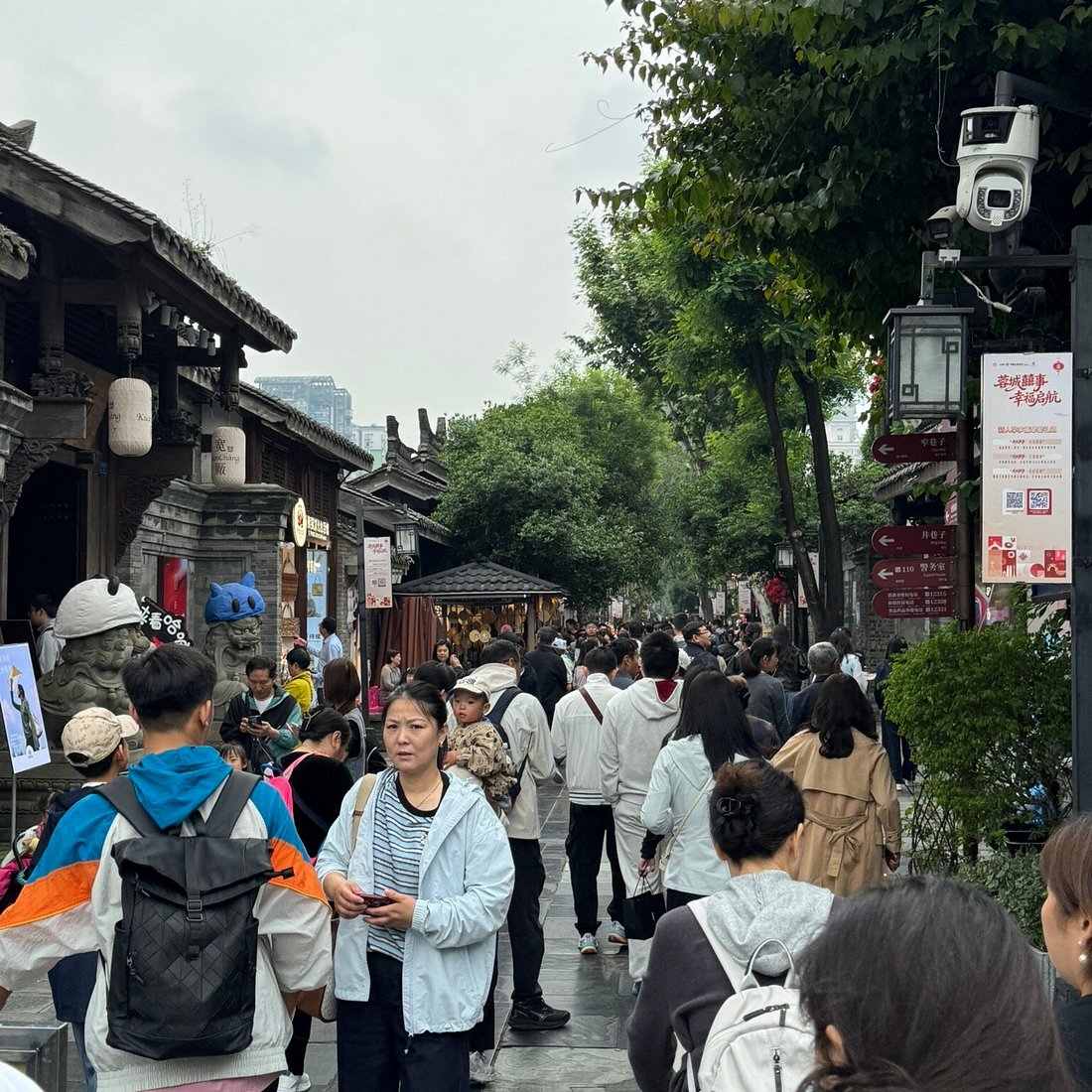
Three parallel Qing Dynasty alleys—Kuan Alley, Zhai Alley, and Jing Alley—now filled with teahouses, hotpot courtyards, craft shops, and quiet inns. The scale remains that of old Sichuan streets: visit early to photograph empty lanes, or at night to see lantern-lit bars.

Dujiangyan Irrigation System — Chengdu, China5

Dujiangyan Irrigation System

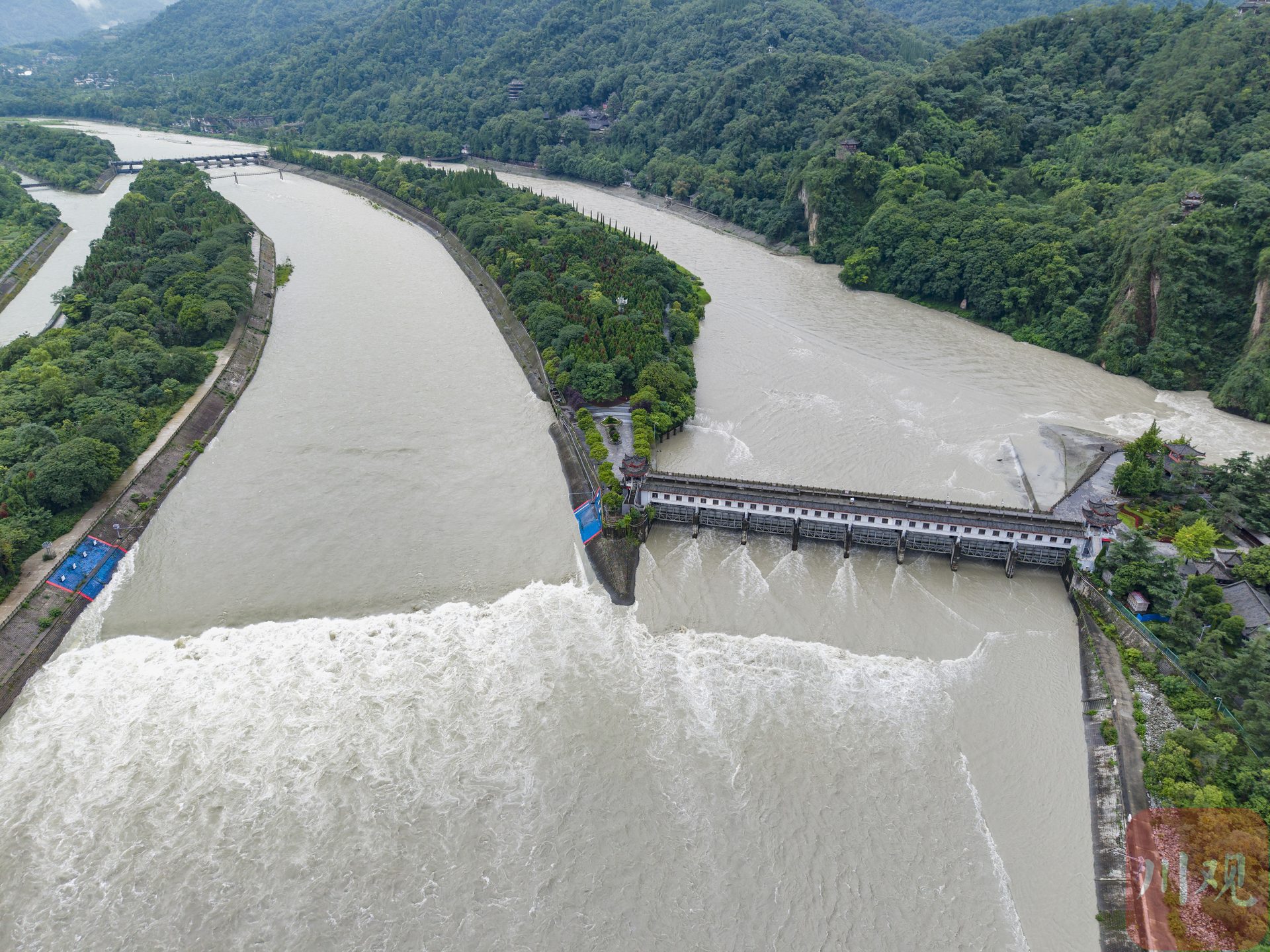
Built in 256 BC under the direction of Li Bing, governor of Shu Commandery, this system still irrigates the Chengdu Plain today 2,200 years later. Fish Mouth diversion, Flying Sand Weir for silt removal, Bottle Neck intake—the ingenious water management system that made Sichuan prosperous became a World Heritage Site with Mount Qingcheng in 2000, its principles still visible to the naked eye.

Wuhou Shrine — Chengdu, China6

Wuhou Shrine

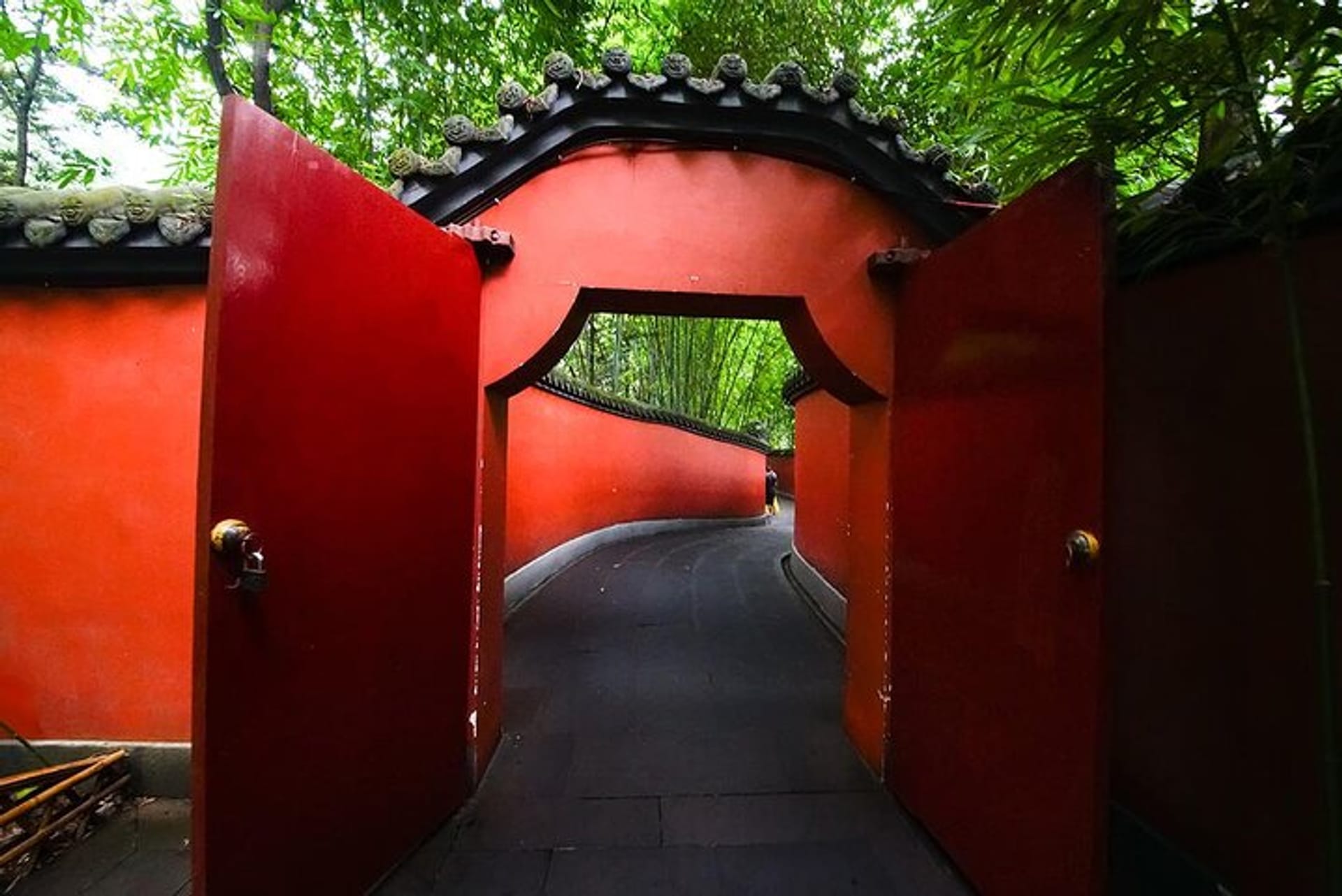
China's most renowned Three Kingdoms shrine, dedicated jointly to ruler and minister—Liu Bei and Zhuge Liang share the same hall. The 'Red Wall Bamboo Shadow' path, with its red walls and rustling bamboo, is Chengdu's most photographed route. Located beside Jinli Ancient Street, it's perfect for a visit.

Culture & customs文化与风俗

Chengdu culture — Teahouse Culture
  • Teahouse Culture

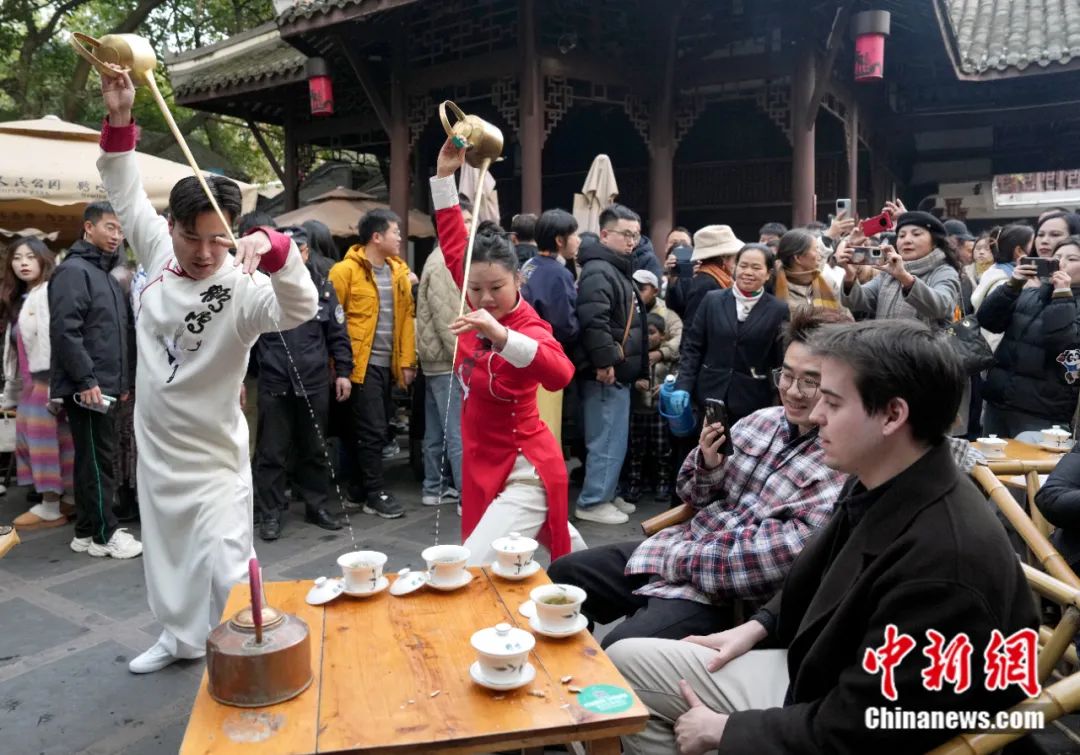
    Chengdu's living room is the teahouse: bamboo chairs set under trees,盖碗茶 refilled until dark, the sound of mahjong mixed with the tuning forks of ear cleaners. This scene plays out daily in parks like People's Park—take any seat, and you become part of the scenery.

  • Sichuan Cuisine & Hotpot

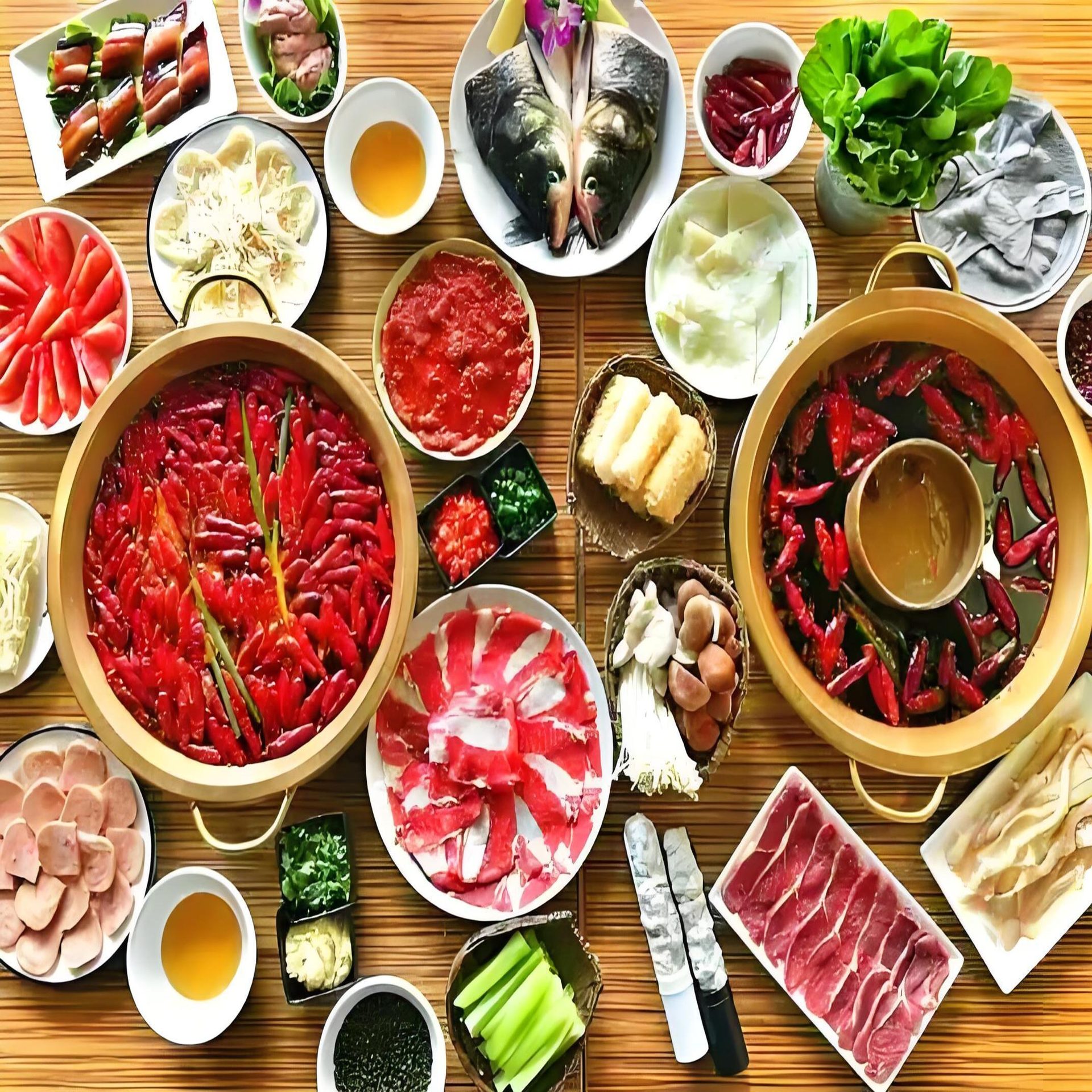
    Sichuan cuisine balances two sensations: the 'spiciness' of chili peppers and the 'numbing' of Sichuan peppercorns, known together as 'mala'. But Sichuan cuisine is about more than heat—the saying goes, 'one dish, one style; a hundred dishes, a hundred flavors'. Hotpot is its social peak: a bubbling red pot for a lively evening feast.

  • Sichuan Opera Face-Changing

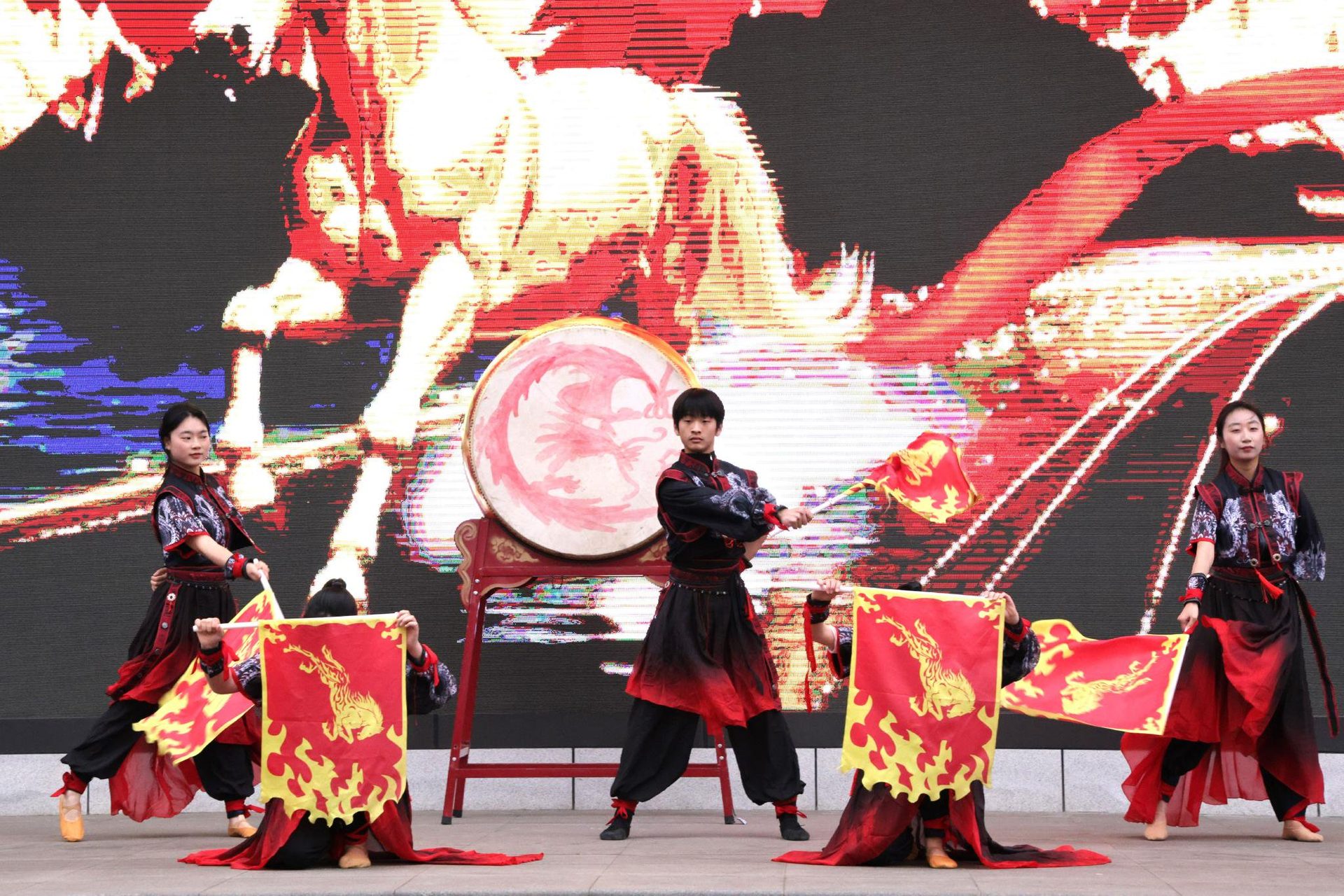
    Face-changing (绝技 bianlian) is the signature trick of Sichuan Opera, a national intangible cultural heritage: actors change painted masks in the blink of an eye—accomplished with a flick of a fan or a sweep of a sleeve. The techniques are passed down secretly within troupes, and no two masters' movements are exactly the same.

Signature experiences特色体验

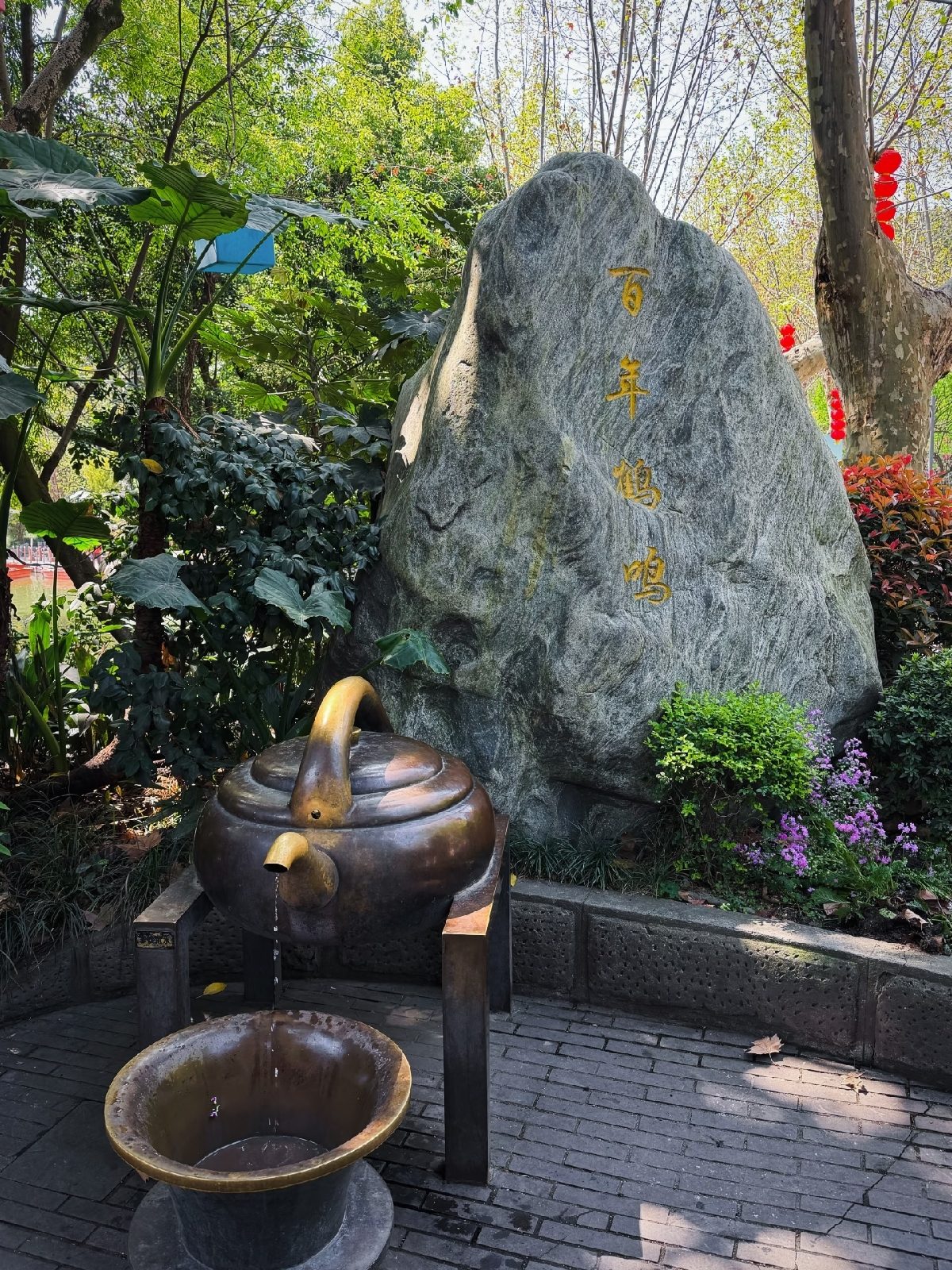
He Ming Teahouse盖碗茶 & Ear Cleaning — Chengdu, China

He Ming Teahouse盖碗茶 & Ear Cleaning

The He Ming Teahouse in People's Park has been operating for over a century. Claim a bamboo chair in the sun, order a bowl of jasmine盖碗茶, and if you're brave, book a roaming ear cleaner—they have tuning forks and goose feathers ready. Refills are endless, and so is the afternoon.

Face-Changing Night — Chengdu, China

Face-Changing Night

The classic choice is a Sichuan Opera evening at Shufeng Yayun or Jinjiang Theater: face-changing, fire-spitting, hand shadow puppetry, and rolling lanterns all in one show. The transformations happen so fast you'll want to see the encore—front row seats offer the best view.

First Hotpot & Skewers — Chengdu, China

First Hotpot & Skewers

Order a split pot—half spicy broth, half clear—to cook thinly sliced beef, then dip it in a garlic-vinegar sauce: this is the beginner's standard move, offering both mild and spicy options. For something more local, find a串串香 skewer restaurant and eat by the stick.

Journeys featuring Chengdu成都 · 相关行程

Travel guides成都 · 旅行攻略

Ready to explore Chengdu with a private guide?

Tell us your dates and travel style — a licensed local team replies within 2 hours (09:00–23:00 CST) with a tailored, CNY-settled quote.