Shanghai, China
East ChinaBest season · October–December and March–April

Shanghai

上海

Best season

October–December and March–April

Region

East China

Private journeys

4 itinerary options

Coordinates

31.23° N, 121.47° E

About Shanghai上海

After becoming a treaty port in the mid-19th century, Shanghai grew from a fishing village into a world-class port. No Chinese city wears its history so proudly: the granite facades of the Bund face the glass towers of Lujiazhi across the river—a century of history at a glance.

Between these two skylines lies the city's softer side: the 1559 classical Yu Garden, the shikumen lanes transformed into Tianzifang and Xintiandi, the tree-lined streets of the former French Concession, and Zhujiajiao Water Town, a 1,700-year-old village just an hour away.

Here, eat your way through the city: xiaolongbao with thin skins and savory broth, rich, soy-sauced local cuisine, and coffee on Wukang Road. Shanghai is China's most accessible city—and notoriously hard to leave.

Must-see attractions必游景点

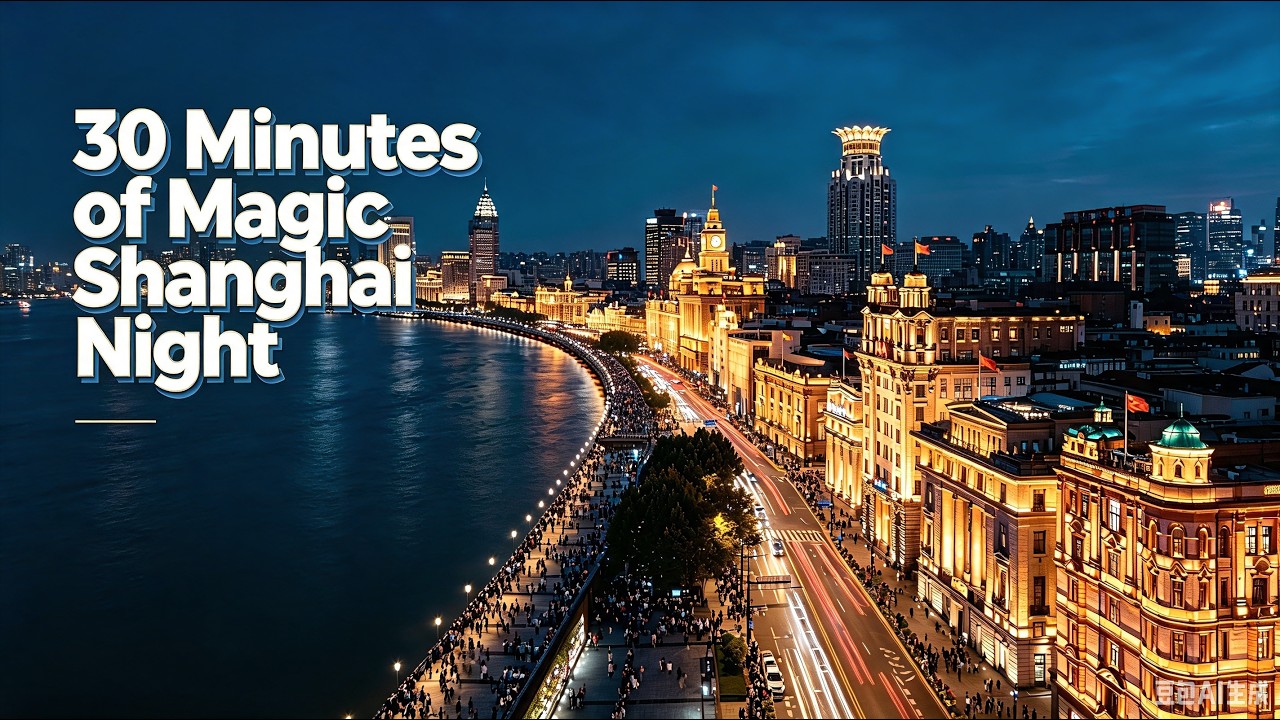
The Bund — Shanghai, China1

The Bund

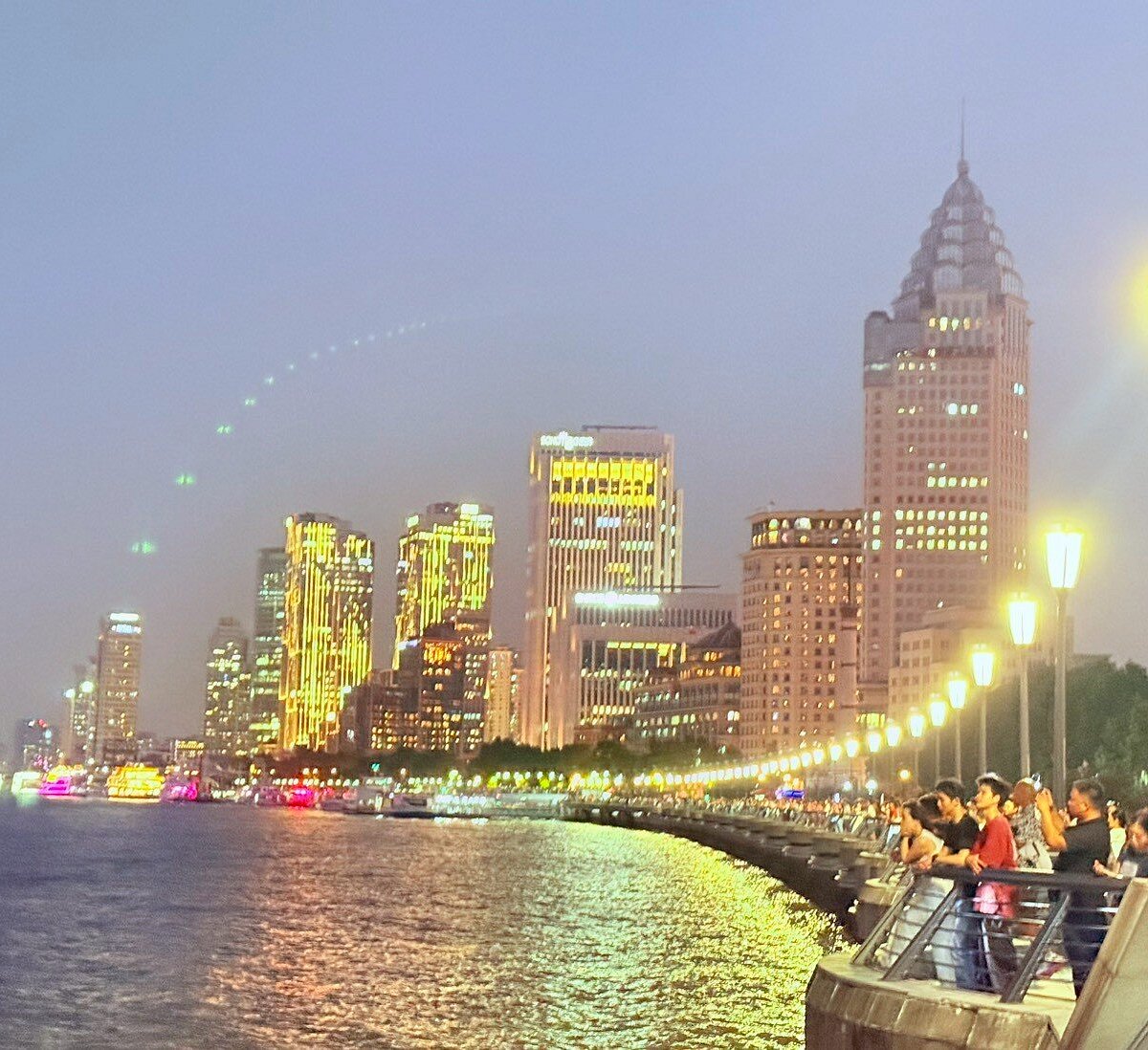
Shanghai's 1.5-kilometer riverside promenade unfolds along the Huangpu River, lined with dozens of Gothic to Art Deco granite facades—so varied, it's called the "World Architecture Exhibition." Across the river, Lujiazhi's skyline responds with glass. After dark, two centuries illuminate simultaneously.

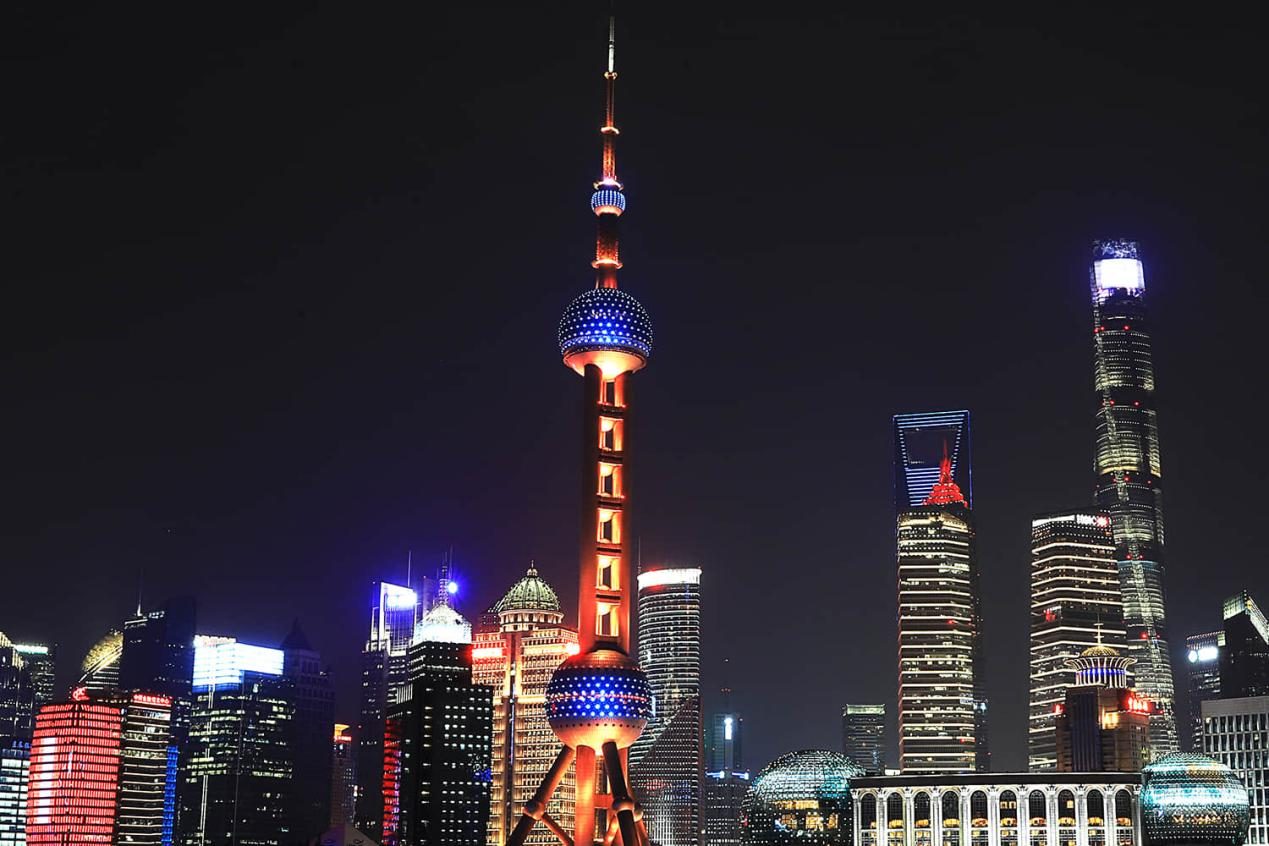
Lujiazhi Skyline — Shanghai, China2

Lujiazhi Skyline

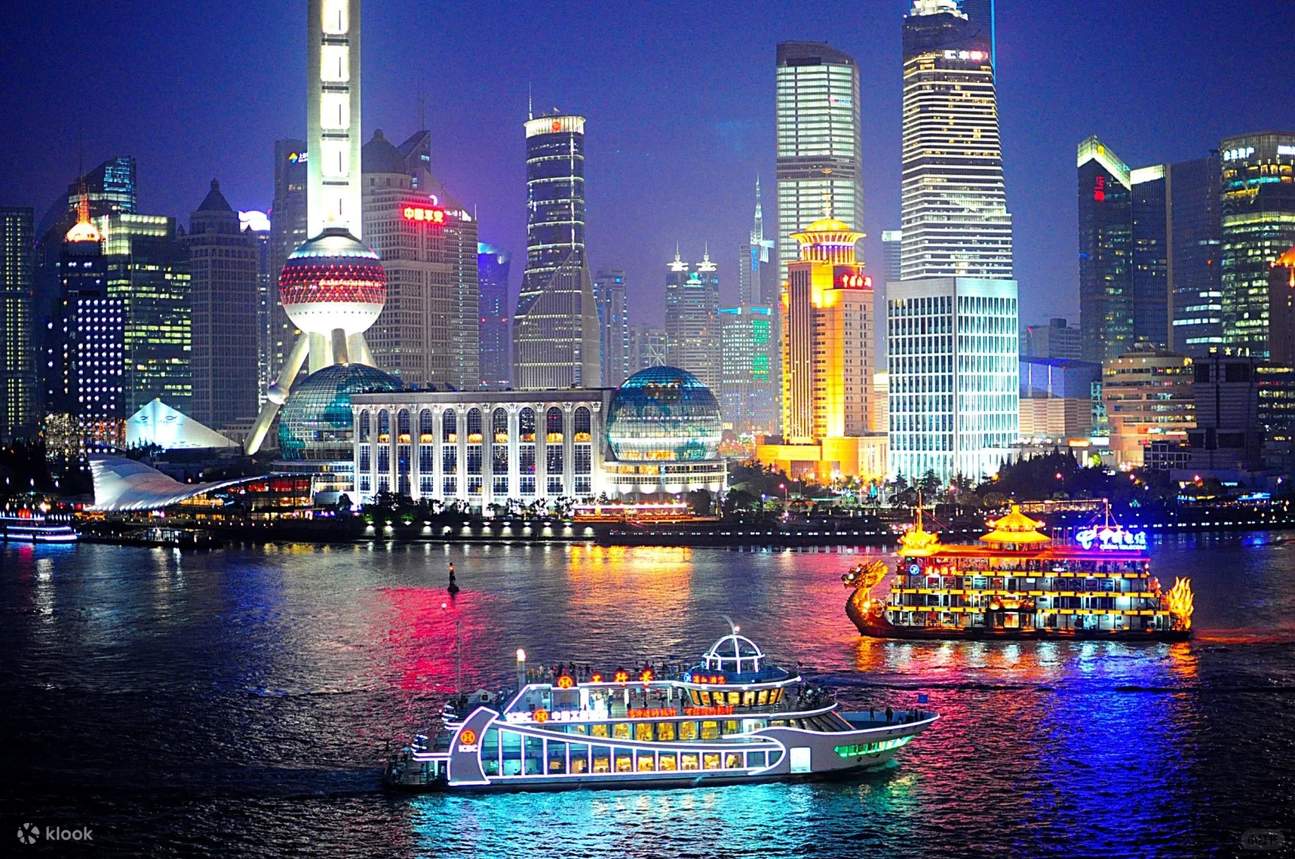
Lujiazhi's cluster of towers is the poster image of modern China: the 632-meter Shanghai Tower is the nation's tallest building, flanked by the Oriental Pearl TV Tower with its spiky silhouette. Visit during golden hour to watch the historic Bund facades across the river begin to glow.

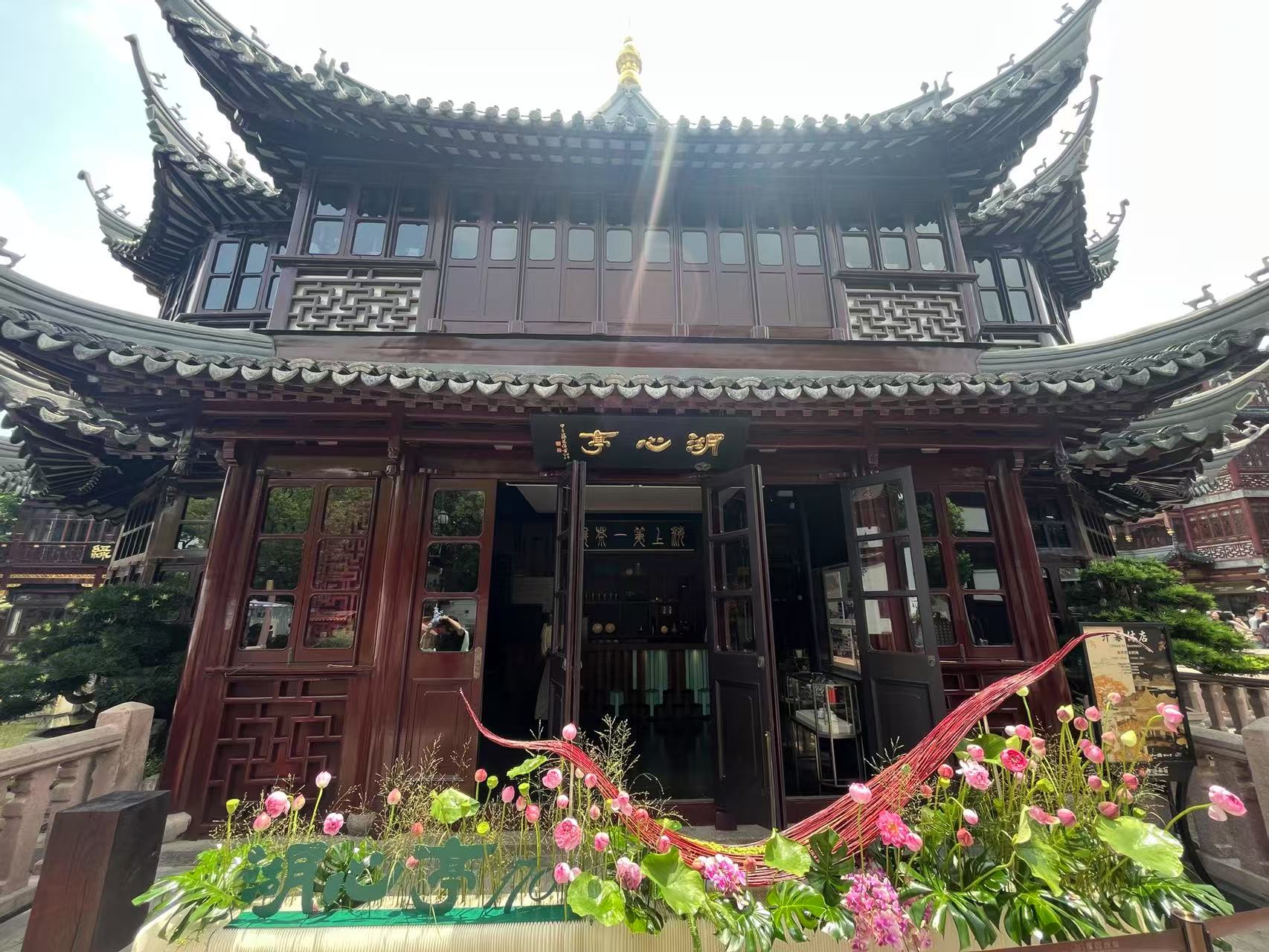
Yu Garden and City God Temple — Shanghai, China3

Yu Garden and City God Temple

This 16th-century classical Jiangnan garden, built by a Ming official in 1559, still keeps the city at bay with its rockeries, pavilions, and koi ponds. Don't miss the craggy Jade Rock, or the Nine Zigzag Bridge just outside—turn a corner and dive into market lanes for a bowl of Nanxiang xiaolongbao.

Tianzifang — Shanghai, China4

Tianzifang

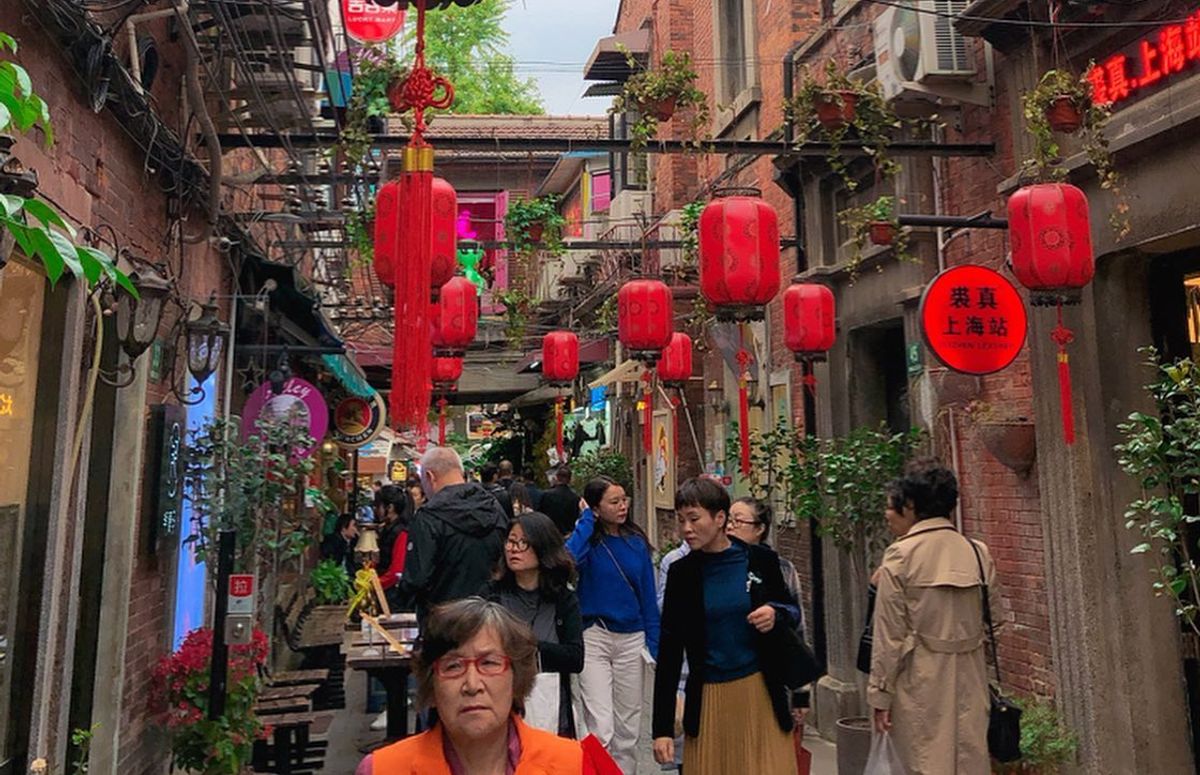
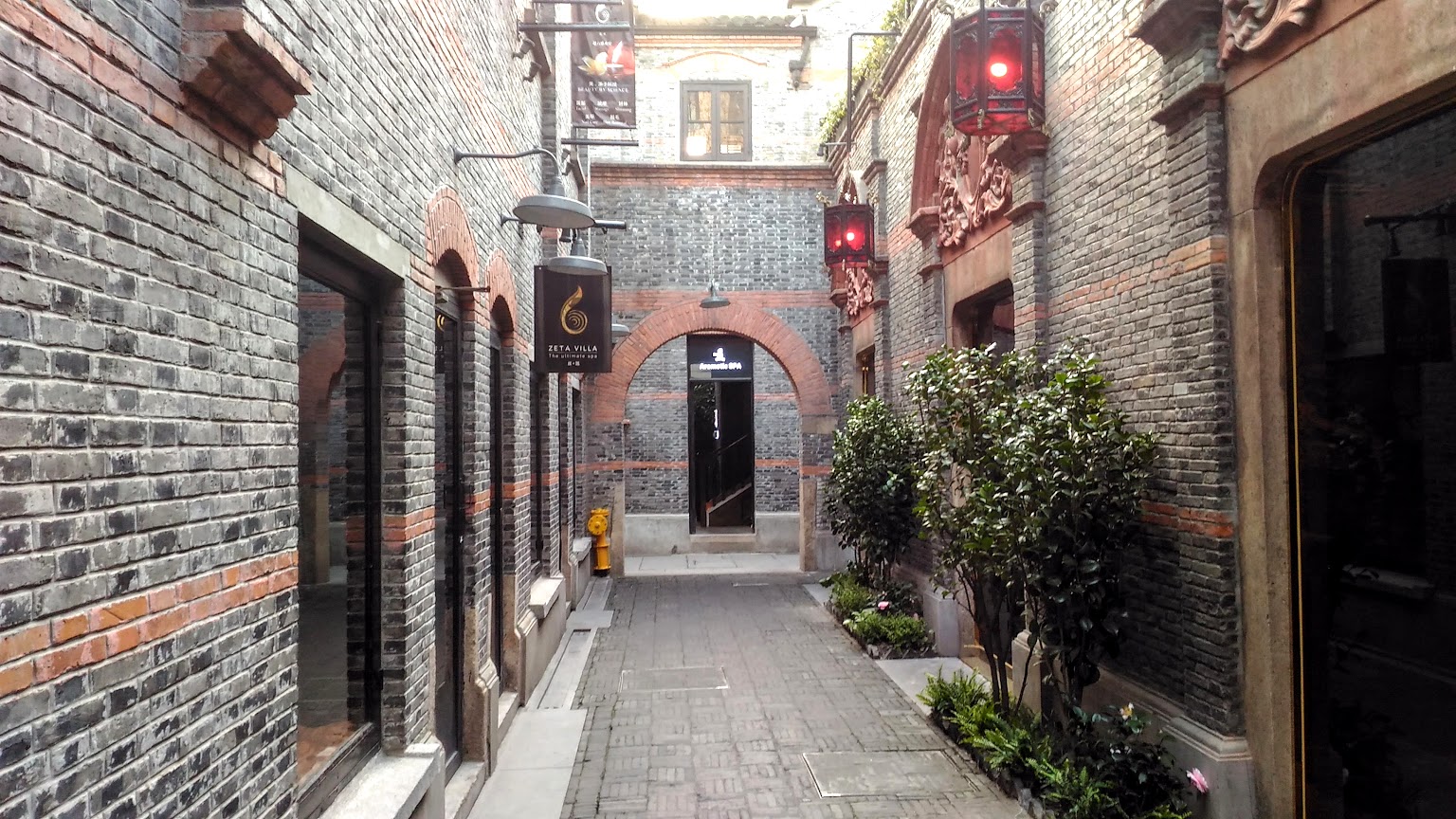
A creative district reborn from 1930s shikumen lanes, where galleries, craft workshops, and tiny cafes squeeze into alleys barely wide enough for two. Look up—residents' laundry still hangs from upper windows, mixing studios with daily life, which is precisely its charm. The best time to visit is from dusk until lights on.

Nanjing Road Pedestrian Street — Shanghai, China5

Nanjing Road Pedestrian Street

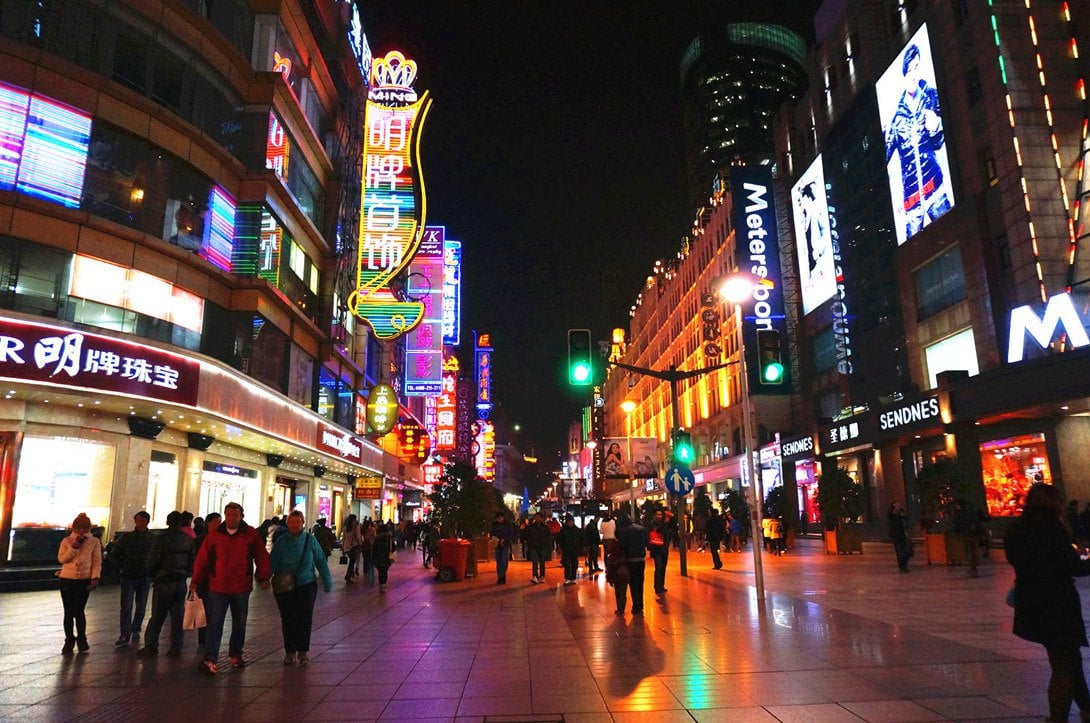
Stretching from People's Square to the Bund, this pedestrian street, called by locals "China's No.1 Commercial Street," lines up century-old shops—pharmacies, silk stores, pastry shops—with glittering flagship stores. When tired, hop on the little sightseeing train and ride the neon all the way to the river.

Zhujiajiao Water Town — Shanghai, China6

Zhujiajiao Water Town

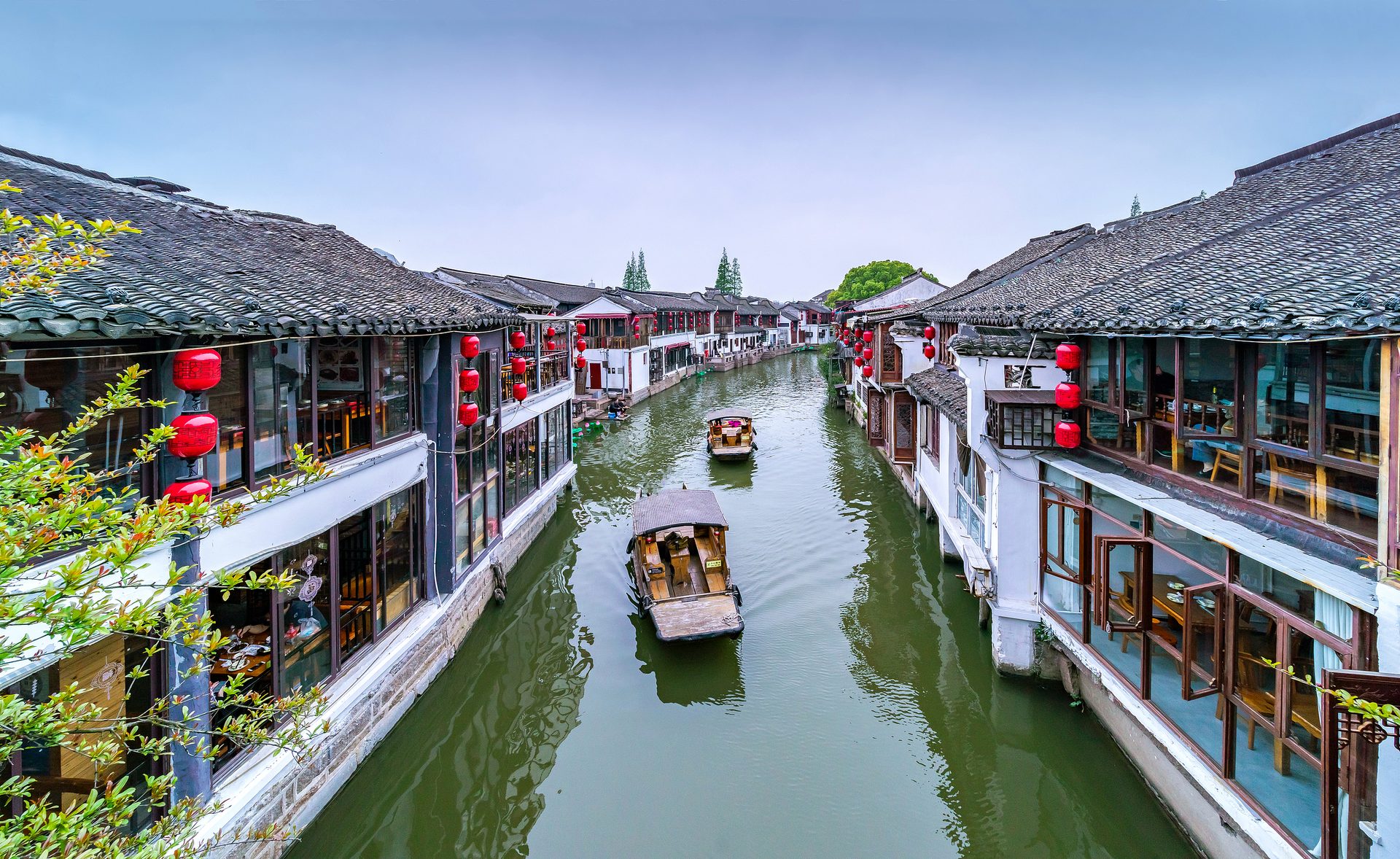
About an hour from the city, this 1,700-year-old water town still lives by its waterways: black-canopied boats drift under stone bridges, old teahouses lean over the water. The Fangsheng Bridge—Shanghai's largest five-hole stone arch—frames the classic scene. Mornings on weekdays are quiet and golden.

Culture & customs文化与风俗

Shanghai culture — Haipai Culture and Shikumen
  • Haipai Culture and Shikumen

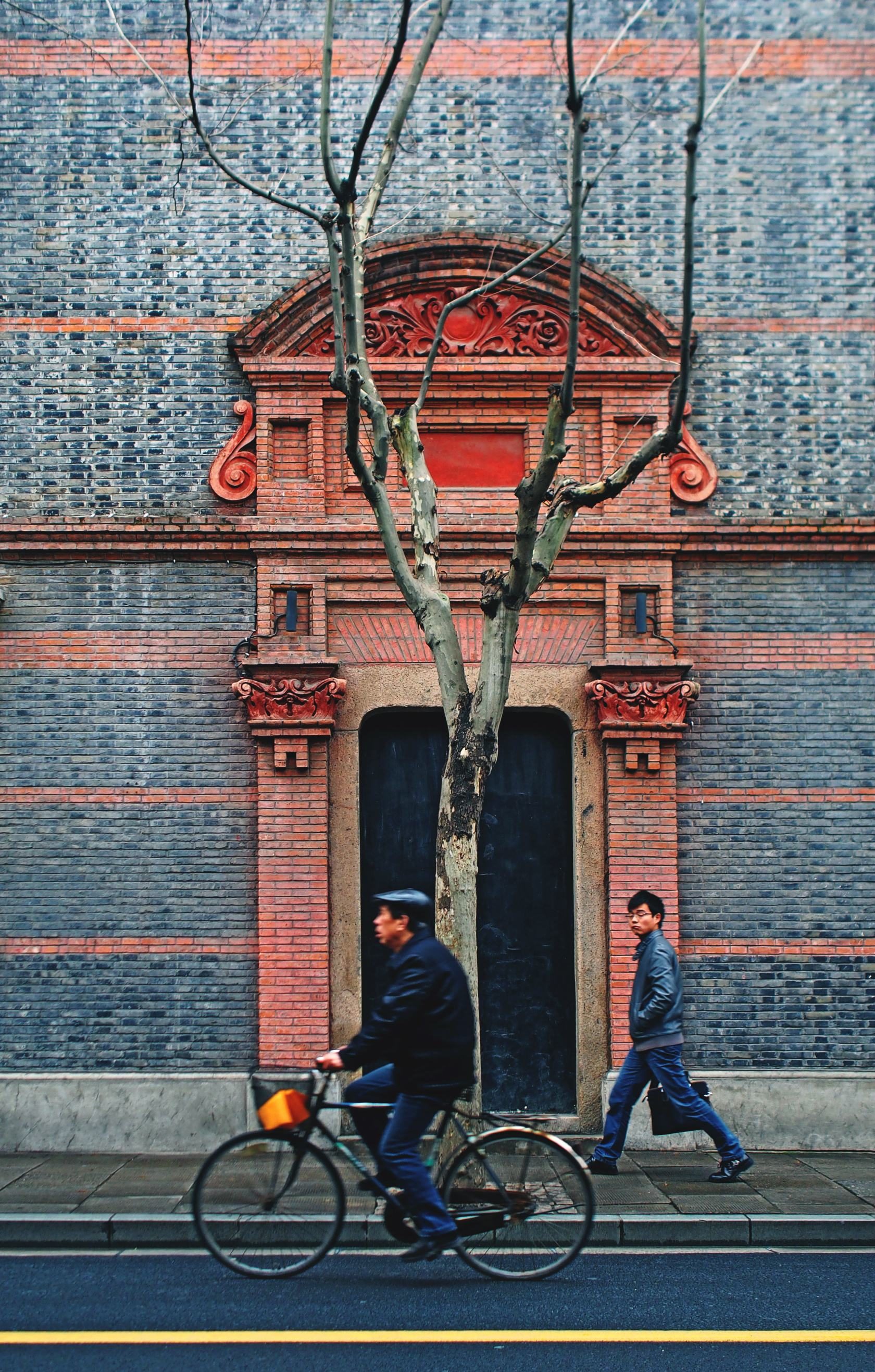
    Shanghai's identity—"Haipai"—took shape after the city became a treaty port in the mid-19th century: Western styles and Jiangnan traditions permeated each other. Its symbol is the shikumen: stone-gated lane houses with brick facades enclosing inner courtyards. Xintiandi and Tianzifang are reborn shikumen districts—history you can sit and digest.

  • Shanghai Cuisine

    The city's own kitchen is famous for "rich oil and soy sauce": glossy braised pork belly and bamboo salt-pork soup are classics. Then there's xiaolongbao—the thin-skinned, soup-filled kind from Nanxiang, with techniques listed as national intangible cultural heritage. Bite first, sip the soup, then dip in vinegar.

  • Huangpu River Nights

    Shanghai's nights are spectacular: the historic Bund facades glow amber, while Lujiazhi's towers put on LED shows across the river. The easiest way to see both sides is a Huangpu River cruise—or simply claim a spot along the Bund promenade and watch ferries glide through the river of lights.

Signature experiences特色体验

Wukang Road City Walk — Shanghai, China

Wukang Road City Walk

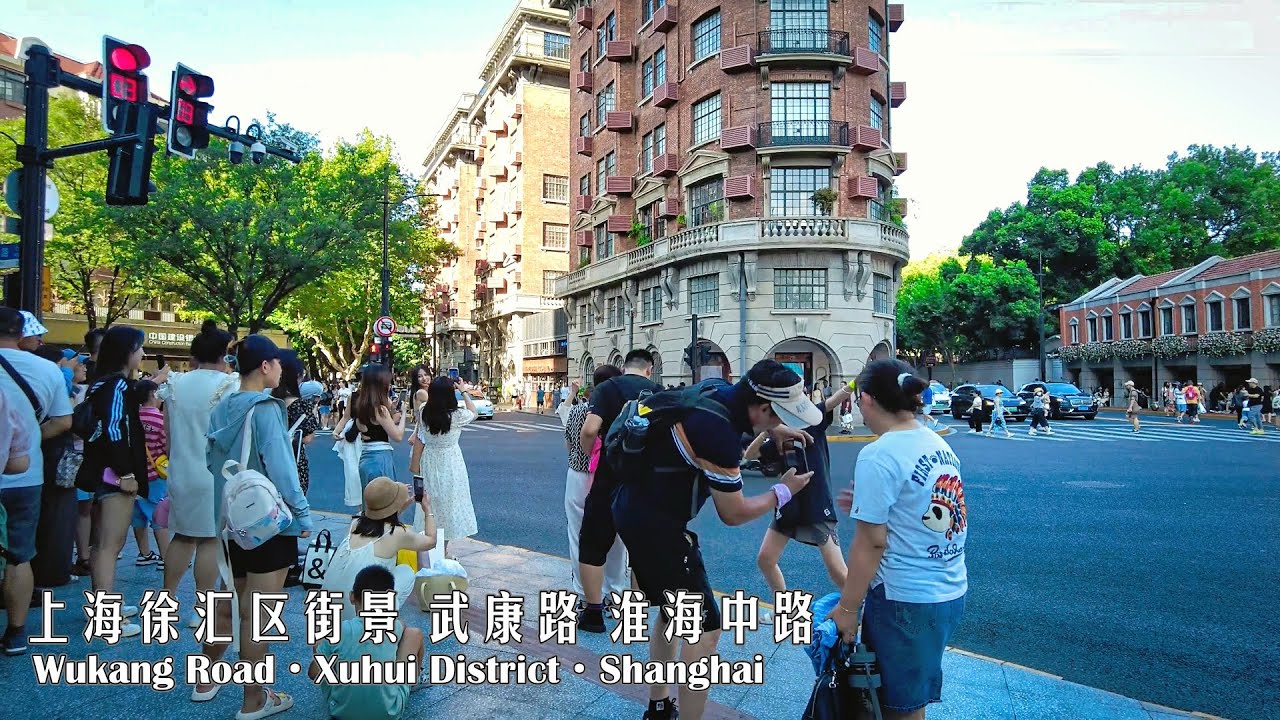
Stroll down the most beautiful street of the former French Concession: plane trees form arches over colonial villas, while the 1924 boat-shaped Wukang Building, designed by architect Hudec, anchors the corner. Cafés, bakeries, and tiny museums line the way—this is the most "Shanghai" city walk route.

Huangpu River Night Cruise — Shanghai, China

Huangpu River Night Cruise

Board at the Shiliupu Pier near the Bund and spend about 50 minutes circling between two centuries of skylines—one side historic granite, the other LED skyscrapers. Boats run until late; the upper deck is worth the breeze—bring a coat in winter.

Xintiandi Shikumen District — Shanghai, China

Xintiandi Shikumen District

The district that sparked the shikumen renaissance: restored shikumen lanes now house restaurants, concept stores, and galleries, next to the 1921 site that made this district historic. Best visited in the evening—brick lanes warm with light, terraces full.

Journeys featuring Shanghai上海 · 相关行程

Travel guides上海 · 旅行攻略

Ready to explore Shanghai with a private guide?

Tell us your dates and travel style — a licensed local team replies within 2 hours (09:00–23:00 CST) with a tailored, CNY-settled quote.